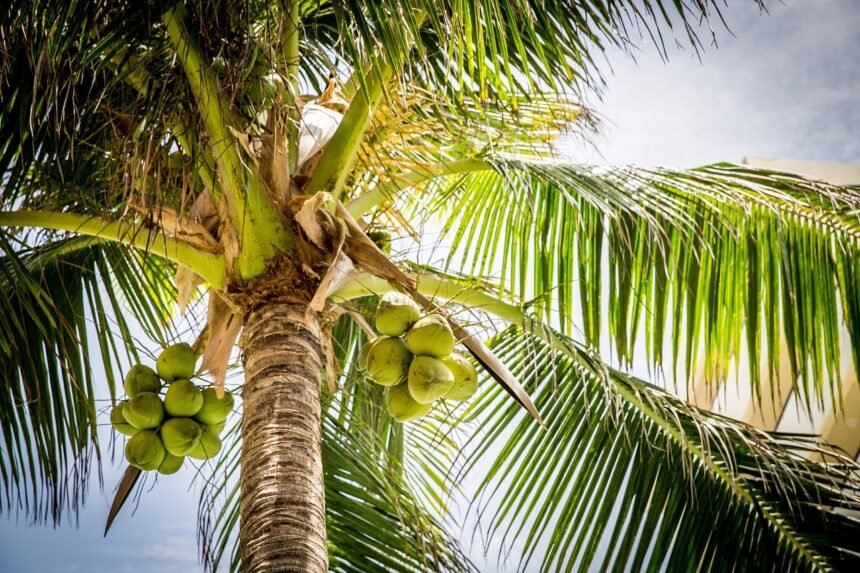
The coconut palm (Cocos nucifera) is often colloquially known as the ‘tree of life’ due to its incredible versatility. From culinary milk to durable fibres, nearly every part of the tree serves a purpose. However, achieving a lush, productive palm requires more than simply planting a seed and waiting for nature to take its course. Proper coconut tree care is a blend of science and patience, requiring specific environmental conditions and vigilance against pests.
Whether you are cultivating a single specimen in a large conservatory or managing a small grove in a tropical microclimate, understanding the physiological needs of these palms is essential. This guide covers everything from soil pH for coconut palms to pest management, ensuring your trees not only survive but thrive.
While this article focuses on standard palms, those with limited space might be interested in How to Grow and Care for Your Own Coconut Bonsai Tree, which applies similar botanical principles on a miniature scale.
Ideal Growing Conditions
Climate and Light
Coconut palms are quintessentially tropical. They require consistent warmth and high humidity to flourish. They do not tolerate frost; temperatures below 21°C (70°F) can stunt growth, while freezing temperatures are often fatal. For growers in cooler regions, winter protection for coconut palms is non-negotiable. This often involves wrapping the trunk in breathable hessian or moving potted specimens into temperature-controlled greenhouses.
They are also heliophytes, meaning they demand full sunlight—at least six to eight hours of direct sun daily. Insufficient light results in elongated, weak fronds and a failure to fruit.
Soil Composition
The ‘sand’ stereotype is partially true, but coconut trees require more structure than pure beach sand offers. They thrive in sandy loam that drains exceptionally well. Waterlogging is a primary enemy of the root system. The ideal soil pH for coconut palms ranges between 5.5 and 7.0. If the soil is too alkaline, nutrient lockout can occur, preventing the uptake of micronutrients.
To improve aeration in heavy soils, many gardeners find success by incorporating organic matter. Interestingly, The Benefits of Using Coconut Husk Chips for Orchid Potting can also apply here; mixing husk chips into the soil improves drainage and retains moisture without suffocation.
Spacing
If you are planting multiple trees, airflow is vital to prevent fungal infections. Proper spacing for coconut plantation layouts generally suggests a distance of 7.5 to 9 metres between trees. This prevents canopy overlap and ensures each tree receives adequate sunlight.
Hydration and Irrigation
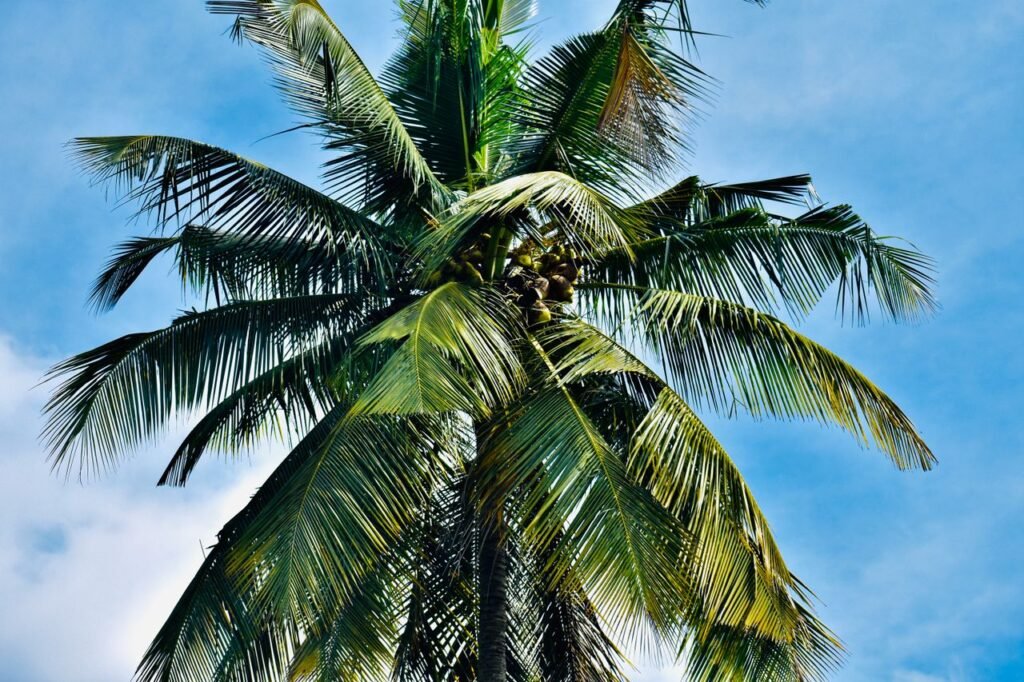
Despite their tolerance for salty spray, coconut trees are not fans of drought, especially during their establishment phase. Coconut tree irrigation requirements vary by age. Young palms require frequent watering—often every couple of days—to keep the soil consistently moist but not sodden.
Mature trees are more drought-tolerant but still require substantial water to produce fruit. In dry spells, a weekly deep soak is preferable to daily shallow sprinkling. This encourages deep root growth, anchoring the tree against high winds. When staking young trees for stability, consider the materials you use; The Strength and Durability of Coconut Fiber Rope in Gardening makes it an excellent, sustainable choice for securing saplings without damaging the trunk.
Nutrition and Fertilisation
The NPK Balance
Coconut palms are heavy feeders. A lack of nutrients is the most common reason for poor growth. A balanced coconut palm fertilizer ratio typically favours nitrogen, phosphorus, and potassium (NPK), often in a growing ratio like 8-8-8, supplemented with magnesium.
Micronutrients
One specific issue to watch for is magnesium deficiency in palms. This manifests as older leaves turning yellow while the centre spine remains green. If untreated, it can severely weaken the tree. High-quality palm fertilisers will include magnesium, manganese, and boron to combat this.
For those adhering to organic coconut farming methods, composted manure and bone meal are excellent slow-release options, though they may need to be applied more frequently than synthetic alternatives.
Symptoms and Causes of Poor Health
Identifying issues early can save your tree. Here are common symptoms and their underlying causes.
Yellowing Leaves
Aside from magnesium deficiency, generalized yellowing can indicate nitrogen deficiency or waterlogging. Yellowing coconut leaves treatment usually involves aerating the soil and applying a nitrogen-rich fertiliser. However, if the yellowing is rapid and affects the crown, it could be a sign of disease.
Pest Infestations
Pests are a significant threat to coconut health.
- Red Palm Weevil: This is one of the most destructive pests. Red palm weevil prevention involves monitoring for holes in the trunk and using pheromone traps. Once larvae bore into the trunk, saving the tree is difficult.
- Rhinoceros Beetle: These beetles bore into the developing fronds. Effective coconut rhinoceros beetle control includes keeping the area free of rotting vegetation where they breed and using biological control agents like the Metarhizium fungus.
Diseases
Lethal yellowing disease is a phytoplasma infection spread by planthoppers. It causes premature fruit drop and blackening of flower stalks. Sadly, there is no cure, and infected trees must be removed to protect others. Selecting resistant dwarf coconut varieties is the best long-term preventative strategy.
Care and Management Tips
Pruning
Correct maintenance ensures energy is directed toward fruit production. Coconut tree pruning techniques are straightforward: only remove dead or dying fronds that hang below the horizontal. Never prune green fronds, as the tree reabsorbs nutrients from them. Over-pruning can stress the palm and attract pests.
Container Growing
For those in non-tropical zones, growing coconut trees in pots is a viable alternative. Ensure the pot is deep enough to accommodate the taproot and use a high-quality potting mix. Be aware that potted palms are unlikely to reach full size or fruit heavily, but they make striking ornamental plants.
Harvesting
The reward for your hard work is the harvest. Harvesting mature coconuts typically occurs 11 to 12 months after the flower has opened. You can tell a coconut is ready when the husk turns brown and you can hear the water sloshing inside.
Once harvested, the uses are endless. From culinary applications to lifestyle products, the coconut is indispensable:
- Sustainability: After extracting the meat, don’t discard the shell. Sustainable Living: Why Every Kitchen Needs a Coconut Shell Bowl highlights how these byproducts reduce waste.
- Nutrition: The meat is rich in healthy fats. For a deep dive into the specifics, read A Detailed Look at Raw Coconut Meat Nutrition and Health Facts.
- Hydration: If you harvest younger nuts for water, you might be interested in The Ultimate Guide to Using Coconut Water Powder for Hydration for those times fresh nuts aren’t available.
Culinary and Health Applications
Your home-grown coconuts can replace many store-bought staples.
Kitchen Substitutes
If you are processing sap from the flower blossoms, you can create coconut sugar. Many health-conscious growers ask, Is Coconut Sugar Keto Friendly? Everything You Need to Know. Additionally, fermented sap can become vinegar. Exploring the Health and Digestive Coconut Vinegar Benefits reveals why this is a potent addition to your diet.
Cooking and Baking
Coconut cream is another derivative. If you have an abundance, you can dry it for long-term storage. Learn How to Use Coconut Cream Powder in Your Daily Recipes to add richness to curries and desserts.
Wellness
Beyond food, coconut derivatives are popular in wellness trends. There is often debate regarding detoxes; Does a Coconut Oil Detox Really Help Cleanse Your Body? offers an evidence-based perspective on this practice.
The Bottom Line
Successful coconut tree care requires a holistic approach that balances nutrition, hydration, and pest management. By maintaining the correct soil pH for coconut palms, ensuring adequate coconut tree irrigation requirements are met, and staying vigilant with red palm weevil prevention, you can enjoy a slice of the tropics in your own garden.
Whether you are harvesting mature coconuts for their meat or simply enjoying the aesthetic of dwarf coconut varieties in your conservatory, the effort required to maintain these majestic trees is returned tenfold in their beauty and utility.
Frequently Asked Questions
How often should I water my coconut tree?
Young trees need water every 2-3 days. Mature trees prefer a heavy soaking once a week.
Why are my coconut leaves turning yellow?
This is often due to a magnesium deficiency in palms or poor drainage. Check your soil moisture and fertiliser balance.
Can I grow a coconut tree indoors?
Yes, by growing coconut trees in pots, though they require bright light and high humidity to survive long-term.