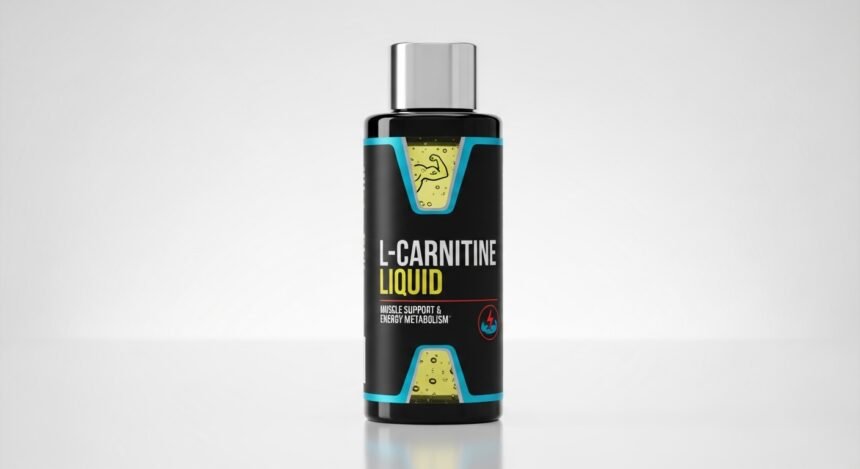
In the pursuit of improved athletic performance and weight management, few supplements have garnered as much attention as L-carnitine. While available in various forms, L-carnitine liquid has become increasingly popular due to its rapid absorption and convenience.
This amino acid derivative plays a crucial role in energy production by transporting fatty acids into your cells’ mitochondria. Think of mitochondria as engines within your cells; L-carnitine acts as the fuel pipe, ensuring fat is delivered to be burned for energy.
Whether you are an endurance athlete or simply looking to shed a few pounds, understanding how this compound works can help you maximise your results. In this article, we explore the science behind liquid L-carnitine, its benefits for metabolism, and how to use it safely.
Overview: What Is L-carnitine Liquid?
L-carnitine is a naturally occurring amino acid structure that the body produces in the liver and kidneys. It is synthesised from the amino acids lysine and methionine. While your body can produce it, many people turn to supplementation to optimise mitochondrial fatty acid oxidation—the process of turning fat into usable energy.
Supplements typically come in capsule, powder, or liquid form. L-carnitine liquid is often preferred by athletes and those with digestive sensitivities because liquids generally do not require the breakdown of a capsule shell, potentially leading to faster uptake by the body.
There are different types of carnitine, including:
- L-carnitine L-tartrate: Often used for physical performance and muscle recovery.
- Acetyl-L-carnitine (ALCAR): Known for cognitive function improvement due to its ability to cross the blood-brain barrier.
- Propionyl-L-carnitine: Often linked to blood flow and cardiovascular health.
The Mechanism of Action
The primary function of L-carnitine is to transport long-chain fatty acids into the mitochondria. Once inside, these fatty acids can be oxidised (burned) to produce adenosine triphosphate (ATP), the primary energy currency of the cell. Without sufficient carnitine, fatty acids cannot easily penetrate the mitochondrial wall, leading to inefficient fat metabolism.
Interestingly, this process works synergistically with other metabolic strategies. For example, if you are utilising MCT Oil Benefits: How Medium-Chain Triglycerides Support Ketosis, L-carnitine can further support the transport of fats, although MCTs have a more direct route.
Signs of Deficiency and Metabolic Stagnation
While true L-carnitine deficiency is rare and usually genetic, a functional deficiency or suboptimal levels can occur. This is particularly relevant for those on restrictive diets, as red meat is the primary dietary source.
Symptoms of Low Levels
If your body struggles to transport fat efficiently, you may experience:
- Chronic fatigue or muscle weakness.
- Poor exercise tolerance.
- Accumulation of fat in tissues (lipid storage myopathy).
- Brain fog or difficulty concentrating.
Causes of Suboptimal Levels
- Dietary Restrictions: Vegans and vegetarians are at higher risk because plant foods contain very little carnitine. Finding vegan l-carnitine sources usually requires supplementation.
- Ageing: As we age, mitochondrial function declines, and carnitine levels may drop, affecting metabolic flexibility—the body’s ability to switch between burning carbs and fats.
- Intense Training: High-volume athletes deplete their carnitine stores faster, increasing the need for post-workout recovery supplements.
Benefits for Energy and Fat Loss
The appeal of L-carnitine liquid extends beyond simple energy production. Research suggests several key benefits for health and performance.
1. Enhancing Fat Metabolism
By facilitating the transport of fatty acids, L-carnitine helps the body utilise stored fat for fuel. This makes it a popular stimulant-free fat metabolism aid. Unlike caffeine-heavy burners, it does not jitter the nervous system but rather optimises the cellular machinery.
For those trying to target specific areas, understanding The Stubborn Fat Science: Why Some Areas are Harder to Lean Out is vital. While spot reduction isn’t possible, improving overall lipid oxidation helps reduce total body fat percentages over time.
2. Exercise Performance and Recovery
Evidence suggests that L-carnitine L-tartrate can reduce muscle damage and soreness. It may also increase androgen receptor upregulation, which helps the body utilise testosterone more efficiently for tissue repair after resistance training.
Furthermore, for endurance athletes, an appropriate l-carnitine dosage for runners can help preserve muscle glycogen by encouraging the body to burn fat earlier in the run. This pairs well with strategies like Fasted Walking: Does Morning Cardio Help You Burn Fat Faster?.
3. Heart and Brain Health
Some studies indicate that L-carnitine may benefit heart health by improving energy delivery to the heart muscle. Additionally, the acetyl-l-carnitine vs l-carnitine tartrate debate often highlights ALCAR’s superiority for brain health, potentially aiding memory and mood in older adults.
Liquid vs. Pill: What is Best?
A common question regards the liquid vs pill l-carnitine absorption rates.
- Liquid: generally offers higher bioavailability. The body does not need to break down a capsule, allowing the nutrient to enter the bloodstream more rapidly. This is crucial if you are timing your dose around a workout.
- Pills/Capsules: More convenient for travel but may have a delayed onset.
The bioavailability of liquid supplements is often cited as a reason for their higher price point, but for many, the efficiency justifies the cost. When looking for potency, many users report seeing liquid carnitine 3000mg benefits, which is a high-strength dose often used by bodybuilders.
Treatment and Management: Dosage and Usage
To get the most out of L-carnitine liquid, timing and dosage are key.
Recommended Dosage
The standard dosage varies by goal:
- General Health: 500–2,000 mg per day.
- Fat Loss & Performance: 2,000–4,000 mg per day.
If you are using high doses, such as 3000mg, it is advisable to split the dose to avoid digestive upset.
The Best Time to Take It
The best time to take liquid l-carnitine is typically:
- Pre-Workout: 30–60 minutes before exercise to ensure it is active in the bloodstream during training.
- Post-Workout: To aid in recovery and receptor upregulation.
- With Carbohydrates: Insulin aids the entry of carnitine into muscle cells. Therefore, taking it with a meal or post-workout carb source may improve retention. This links to the concept of insulin sensitivity and carnitine uptake being connected.
If you are following a specific diet plan, such as A Complete Carb Cycling Plan for Sustainable Fat Loss and Energy, timing your carnitine with your high-carb days or meals can be highly effective.
Tips for Maximising Results
Supplements work best when combined with a holistic approach to health. Here are tips to enhance the effects of L-carnitine.
1. Stack Smartly
L-carnitine can be stacked with other non-stimulant aids.
- CLA: Some research suggests synergy between carnitine and Conjugated Linoleic Acid. Read more about CLA Supplements: What the Research Says About Conjugated Linoleic Acid.
- Green Tea: Combining carnitine with the catechins in tea can boost thermogenesis. See The Best Fat Burner Tea: Herbs and Infusions for Natural Weight Loss.
- Glucomannan: For appetite control alongside metabolic support, consider How to Use Glucomannan Powder for Appetite Control and Weight Management.
2. Activate Your Metabolism
L-carnitine moves fat, but you need to burn it. Engaging in activities that promote lipolysis is essential. You might also explore Brown Fat Activation: How to Turn on Your Body’s Calorie-Burning Tissue or methods like Cold Thermogenesis: Can Exposure to Cold Increase Your Metabolic Rate? to further demand energy from your body.
3. Diet Matters
No supplement can outwork a poor diet. Ensure you are consuming Top Lipolysis Foods That Help Your Body Break Down Stored Fat. If you are on a ketogenic diet, L-carnitine is particularly useful as your body relies almost exclusively on fat for fuel.
4. Monitor Safety
While generally safe, be aware of the side effects of liquid carnitine. These can include nausea, vomiting, abdominal cramps, and a “fishy” body odour (caused by the byproduct trimethylamine). If you experience these, lower your dose. Always consult a healthcare professional before starting, especially if you have thyroid issues or seizures.
For those exploring other metabolic aids, understanding safety profiles is crucial, much like when Synephrine Fat Loss: Understanding Bitter Orange Extract and Safety is discussed.
The Bottom Line
L-carnitine liquid offers a convenient and bioavailable way to support energy metabolism and fat transport. By acting as a shuttle for fatty acids into the mitochondria, it plays a pivotal role in how your body produces energy.
While it is not a magic bullet, when combined with regular exercise and a balanced diet, it can be a powerful tool for improving endurance, recovery, and body composition. Whether you are vegan, an ageing adult, or an elite athlete, ensuring adequate carnitine levels can help you maintain metabolic flexibility.
Always ensure you are buying high-quality supplements to avoid contaminants. If you are also managing visceral fat, consider tracking your progress; learning How to Read a Visceral Fat Scale and What Your Results Actually Mean can be a great motivator. Furthermore, if you are tackling specific issues like a lower belly pooch, integrate carnitine into a broader strategy as outlined in How to Reduce a Lower Belly Pooch: Exercise, Diet, and Lifestyle Tips.
Ultimately, consistency is key. Liquid L-carnitine is a safe, effective addition to a healthy lifestyle that helps your cellular engines run a little cleaner and faster.