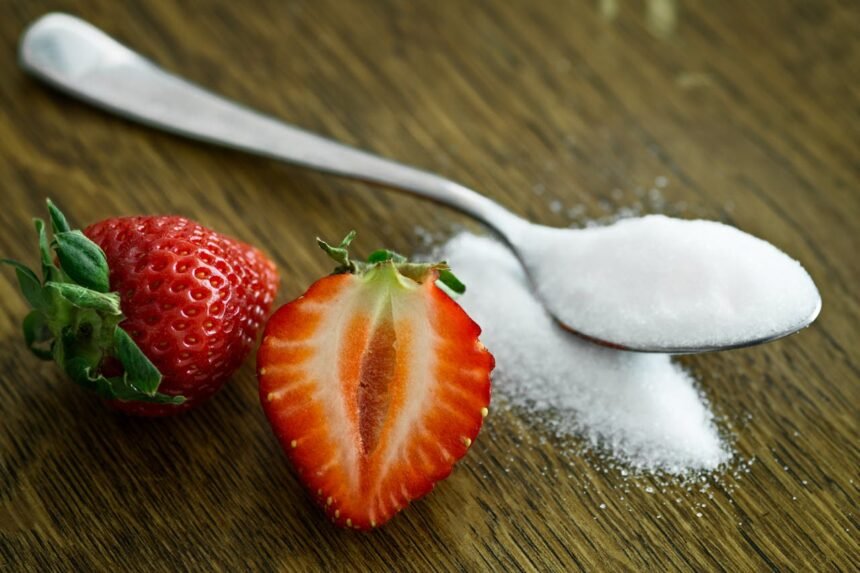
You know the feeling well. It’s 3:00 PM, and your energy hits a wall. Your focus blurs, your mood dips, and suddenly, your brain starts screaming for a donut, a soda, or a sugary latte. You tell yourself you just need a “pick-me-up,” but biologically, something much more complex is happening.
We live in a world saturated with sugar. From obvious culprits like candy bars to hidden additives in bread, tomato sauce, and salad dressings, the average person consumes far more sugar than they realize.1 When you decide to cut it out—whether for weight loss, better skin, or gut health—you might expect to feel better immediately.
Instead, you often feel worse.
This is the sugar withdrawal timeline, and it is a very real physical and psychological process. Sugar triggers the same reward centers in the brain as addictive drugs, releasing dopamine and opioids.2 When you take that stimulus away, your body rebels.
If you are planning to quit the sweet stuff, knowing the symptoms of sugar withdrawal timeline is your best weapon. Here is exactly what happens to your body from Day 1 to Day 21, and how to survive the detox to reach the other side.
The Science: Why Is Quitting So Hard?
Before we dive into the timeline, we need to stop blaming “willpower.” Failing to quit sugar isn’t a character flaw; it is a biological reaction.
When you eat sugar (sucrose) or high-fructose corn syrup, your blood glucose spikes rapidly. To manage this, your pancreas pumps out insulin to shuttle that sugar into your cells for energy.3 This causes your blood sugar to plummet just as fast as it rose—a phenomenon known as the “sugar crash.” This crash triggers cravings for more sugar to bring levels back up, creating a vicious cycle.
Simultaneously, sugar hijacks your brain’s dopamine reward system.4 Over time, your brain creates more dopamine receptors to handle the constant flood of “happy hormones.” When you stop eating sugar, your dopamine levels drop below baseline, leading to feelings of sadness, anxiety, and intense cravings. Your brain is literally shouting, “Where is my fix?”
Understanding this helps you realize that the discomfort you feel in the first week is just your body recalibrating its chemistry.
Phase 1: The Crash (Days 1–3)
The first 72 hours are universally considered the hardest. This is the acute withdrawal phase. Your body has relied on easy energy (sugar) for years, and now it has to work harder to convert fats and complex carbs into fuel.5
The Symptoms
- Intense Cravings: You won’t just want sugar; you will feel like you need it.
- Headaches: This is the most common symptom. It is often caused by a change in electrolyte balance and blood flow to the brain.
- Fatigue & Lethargy: Without the quick hits of glucose, you might feel like you are moving through mud.
- Irritability: Often called being “hangry,” your mood may swing wildly as your blood sugar stabilizes.6
Survival Strategy: The “Big Three”
To get through the first three days, you need to be proactive.
- Hydrate with Electrolytes: When insulin levels drop (a good thing!), your kidneys flush out excess water and sodium. This dehydration causes headaches. Drink water with a pinch of sea salt or an electrolyte powder (sugar-free) to combat this.
- Eat More Fat: Fat is a satiating fuel source.7 Eating avocado, nuts, eggs, or olive oil signals to your brain that you are not starving. It dulls the cravings.
- Do Not Go Hungry: This is not the time to restrict calories. If you are hungry, eat a savory meal. Trying to diet and quit sugar at the same time during the first 3 days is a recipe for failure.
Phase 2: The Craving Peak & “Flu” (Days 4–7)
Congratulations, you made it past the initial shock. However, now the mental game begins. By days 4 through 7, the physical headaches may subside, but the psychological battle ramps up. You might also experience what is known as the “Keto Flu” or “Sugar Detox Flu.”
The Symptoms
- Body Aches & Chills: Some people report flu-like symptoms as the body processes inflammation.8
- Brain Fog: You might struggle to concentrate or remember small details.
- Digestive Changes: As your gut microbiome adjusts (starving the “bad” bacteria that feed on sugar), you might experience bloating, gas, or irregularity.
- Anxiety or Sadness: This is the dopamine drop mentioned earlier. Without sugar to numb emotions, you might feel them more intensely.
The Role of the Microbiome
Your gut contains trillions of bacteria.9 Some thrive on fiber, while others (like Candida yeast) thrive on sugar. When you stop feeding the sugar-loving bacteria, they send chemical signals to your brain via the Vagus nerve, demanding sugar. This is why cravings feel so visceral—your gut bugs are literally fighting for survival.
Survival Strategy: Distraction and Substitution
- Change Your Environment: Cravings usually last only 15–20 minutes. When one hits, go for a walk, take a shower, or call a friend. Change the scenery to reset the brain.
- Use Natural Sweetness: If you are desperate, have a piece of whole fruit. An apple or a handful of berries provides fiber along with the sugar, which slows absorption and prevents a spike.10
- Magnesium: Taking a magnesium supplement before bed can help with muscle aches and improve sleep quality during this restless week.
Phase 3: The Turning Point (Days 8–14)
Somewhere around the second week, the clouds begin to part. Your body is becoming metabolically flexible, meaning it is relearning how to burn stored fat for fuel efficiently. The “fog” lifts, and you start to see the benefits.
The Results
- Better Sleep: Without blood sugar spikes waking you up at 3:00 AM (a common side effect of a sugary diet), you will fall into a deeper, more restorative sleep.
- Clearer Skin: Sugar is highly inflammatory and triggers oil production.11 By week two, many people notice a reduction in acne and redness.
- Stable Energy: The afternoon slump disappears. You have consistent energy from morning until night because your blood glucose isn’t on a rollercoaster.
- Reduced Bloating: As the bad gut bacteria die off and water retention drops, your stomach will feel flatter.
The Danger Zone: “Just One Bite”
This is the most dangerous phase for relapse. You feel good, so your brain tricks you: “I’ve been so good for 10 days; one cookie won’t hurt.”
Do not do it. Reintroducing high doses of sugar now can trigger the addiction cycle all over again. You are still fragile. Stick to the plan.
Phase 4: The Reset (Day 21 and Beyond)
If you make it to three weeks, you have officially broken the physical addiction. You have formed a new habit loop. This is where the magic happens regarding your palate.
The Palate Shift
Your taste buds regenerate approximately every two weeks.12 After 21 days without hyper-palatable sugary foods, your sense of taste resets.
- Fruit tastes like candy: A strawberry will taste incredibly sweet.
- Vegetables have flavor: You will detect natural sweetness in carrots, peppers, and onions.13
- Processed food tastes chemical: If you try your old favorite candy bar now, it might taste cloyingly sweet or even gross.
Long-Term Benefits
By Day 21, you aren’t just “off sugar”; you are healthier.
- Insulin Sensitivity: Your cells are better at handling glucose, reducing your risk of Type 2 Diabetes.14
- Mental Health: Studies show a strong link between high sugar intake and depression.15 A sugar-free brain is often a happier, calmer brain.
- Weight Management: Without constant insulin spikes telling your body to store fat, weight maintenance becomes significantly easier.16
How to Spot Hidden Sugars (The Saboteurs)
Even with the best intentions, you can accidentally reset your withdrawal timeline by consuming hidden sugars. During your detox, be a detective. Read labels and avoid these common aliases for sugar:
- The “Healthy” Syrups: Agave nectar, honey, maple syrup, and coconut sugar. While “natural,” they still spike insulin. Avoid them during the initial 21 days.
- The “Os” Ingredients: Dextrose, Fructose, Maltose, Sucrose. If it ends in “-ose,” it is sugar.
- Savory Saboteurs: Ketchup, BBQ sauce, pasta sauce, and flavored yogurts often contain more sugar than a donut.
- Liquid Sugar: Fruit juice, sports drinks, and “vitamin” waters are concentrated sugar bombs.17 Stick to water, herbal tea, and black coffee.
A Note on Artificial Sweeteners
Should you switch to Diet Coke or Splenda?
Ideally, no.
While they have zero calories, some studies suggest that the intense sweetness of artificial sweeteners can still trigger insulin responses and keep your cravings for sweet flavors alive. If you must use a sweetener, opt for natural, zero-calorie options like Stevia or Monk Fruit, which have a minimal impact on blood sugar.18
Your Action Plan for Day 1
You are ready. You understand the science, you know the timeline, and you have the strategies. Here is your checklist for Day 1:
- Purge the Pantry: Throw away or donate cookies, candies, and sugary cereals. If it’s not in the house, you can’t eat it.
- Stock Up: Buy nuts, avocados, eggs, meats, and tons of vegetables.
- Pick a Start Date: Don’t start on a holiday or a birthday. Choose a regular week where you can control your food.
- Find a Buddy: Tell a friend or partner you are doing this. Accountability is powerful.
The first few days of the sugar withdrawal timeline will be uncomfortable, but they are temporary.19 The clarity, energy, and health you gain on the other side are permanent. You are not just giving up sugar; you are gaining control back over your own body.
Keep going. You can do this.
How would you like to proceed?
- Next Article: I can generate the outline or full text for Article #3: “Plant-Based Protein Sources”.
- Social Media: I can turn this article into 5 tweets or a short Instagram caption script.
- Keyword Check: I can provide 5 more “Low Competition” keywords related to sugar detoxing if you want to expand this specific cluster.