
New developments in diabetes treatment are offering hope for better blood sugar control, fewer complications, and improved quality of life. Scientists are working on therapies that target the underlying causes of high blood sugar, improve insulin action, and reduce the burden of daily management for people with both type 1 and type 2 diabetes. While many advances are still being studied, early results look promising.nmji
Overview of Diabetes and Current Challenges
Diabetes is a long‑term condition in which the body either does not produce enough insulin or cannot use it effectively, leading to high blood sugar levels. Over time, uncontrolled diabetes can damage blood vessels and nerves, affecting the heart, kidneys, eyes, and other organs. Many people must manage their condition with a combination of medication, diet, physical activity, and regular monitoring.nmji
Despite existing treatments, some individuals still struggle to keep blood sugar within target ranges or experience side effects. This has driven research into new medicines, delivery methods, and technologies that can offer more stable control with fewer daily disruptions. The goal is to reduce complications and make life with diabetes easier to manage.nmji
Features of the New Treatment Approach
Recent research focuses on treatments that may offer longer‑lasting blood sugar control or act in new ways. Some therapies aim to increase the body’s own insulin production or improve how cells respond to insulin. Others work by slowing digestion, affecting hormones in the gut, or helping the kidneys remove excess sugar from the blood.nmji
There are also advances in combination therapies that package multiple actions into a single injection or tablet. These approaches can reduce the number of daily doses while still supporting effective blood sugar control. Scientists carefully study safety, side effects, and potential benefits in large clinical trials before treatments become widely available.nmji
Technology and Delivery Innovations
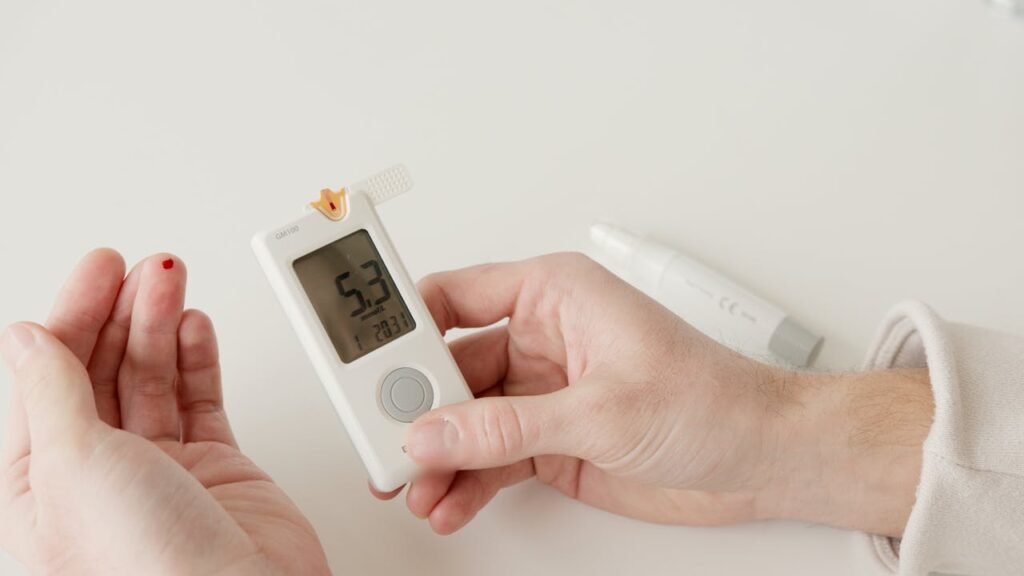
Alongside medicines, technology is transforming diabetes management. Continuous glucose monitors allow people to track blood sugar levels throughout the day without frequent finger sticks. Smart insulin pens, pumps, and algorithm‑based systems can automatically adjust doses based on sensor readings.nmji
Some new treatment concepts combine these technologies with advanced drugs to create more automated systems that reduce the need for frequent manual decisions. These innovations may especially help people who experience frequent highs and lows or who find daily management overwhelming. As devices become smaller and more user‑friendly, they may further improve adherence and outcomes.nmji
Considerations and Next Steps for Patients
Although new diabetes treatments are exciting, not every option is right for every person. Factors such as type of diabetes, other health conditions, cost, accessibility, and personal preferences all play roles in selecting therapy. People interested in new treatments should discuss their situation with a healthcare professional who can explain available options and whether clinical trials are appropriate.nmji
Lifestyle measures such as balanced eating, regular activity, and not smoking remain essential parts of diabetes care even as new treatments emerge. Combining modern therapies with healthy habits usually offers the best chance of long‑term blood sugar control and fewer complications. Ongoing research will continue to refine and expand the tools available for diabetes management in the coming years.nmji
Diabetes Treatment Advances Table
| Area | Traditional Approach | New/Promising Development |
|---|---|---|
| Blood sugar control | Multiple daily injections or pillsnmji | Longer‑acting and combo therapies |
| Glucose monitoring | Periodic finger‑stick tests | Continuous glucose monitoring devicesnmji |
| Insulin delivery | Standard pens or syringes | Smart pens, pumps, automated systems |
| Mechanism of action | Mainly insulin replacementnmji | Gut hormones, kidney sugar excretion, sensitizers |
| Patient burden | Frequent checks and dose decisions | More automated, user‑friendly toolsnmji |
Conclusion
Scientists are developing promising diabetes treatments that aim to make blood sugar control more effective, stable, and convenient. Advances in medications and technology are expanding options for people living with diabetes, from longer‑acting drugs to smarter monitoring and delivery systems. Working closely with healthcare professionals will help patients choose the best combination of current and emerging tools to manage their condition safely and effectively.nmji