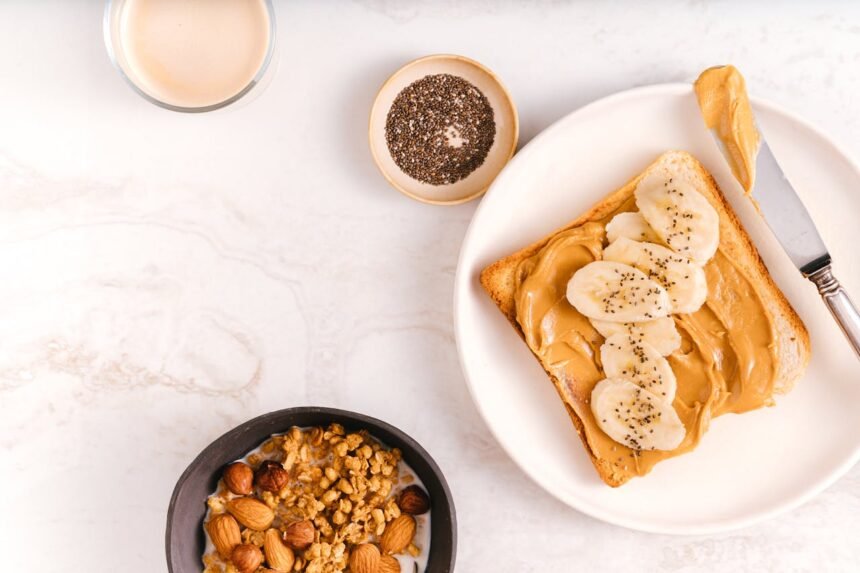
In an era where grocery prices seem to fluctuate daily and the cost of living continues to rise, the perception that healthy eating is a luxury reserved for the wealthy has become distressingly common. We often find ourselves standing in the supermarket aisle, weighing the cost of fresh produce against the convenience of processed foods, believing we must choose between our physical health and our financial health.
However, this is a false dichotomy. With the right strategy, nutritious food can be incredibly affordable. The secret lies not in buying expensive superfoods, but in mastering the art of organization. This comprehensive guide focuses on budget-friendly healthy meal prep for beginners, providing you with the tools, strategies, and mindset shifts necessary to nourish your body without draining your bank account.
The Economics of Meal Prep: Why It Saves You Money
Before diving into the how, it is essential to understand the why. Meal prepping is often touted for its time-saving benefits, but its financial impact is equally profound. Here is how a structured prep routine protects your wallet:
- Eliminating Impulse Buys: When you have a plan and a prepared lunch waiting for you, you are significantly less likely to succumb to the temptation of an expensive $15 salad or fast food during your lunch break.
- Bulk Purchasing Power: Meal prep allows you to utilize the “economy of scale.” Buying a large bag of brown rice or a family pack of chicken breasts is far cheaper per serving than buying single-portion ingredients.
- Drastic Reduction in Food Waste: The average household throws away a staggering amount of food. By planning meals around specific ingredients, you ensure that the spinach you bought actually ends up in a meal, rather than wilting in the back of the crisper drawer.
The Essential Toolkit: Minimalist Gear for Maximum Results
You do not need an arsenal of high-end kitchen gadgets to succeed. In fact, keeping it simple is the first step in budget-friendly healthy meal prep for beginners. Here are the basics:
1. Storage Containers
Invest in a good set of containers. While glass is durable and microwave-safe (and doesn’t stain), high-quality BPA-free plastic is a lighter, cheaper alternative for beginners. Ensure they are leak-proof and stackable.
2. Sheet Pans and Baking Dishes
Roasting is one of the most hands-off, flavor-enhancing ways to cook vegetables and proteins in bulk. A large rimmed baking sheet is indispensable.
3. A Sharp Knife and Cutting Board
Prep involves chopping. A dull knife makes the process dangerous and tedious. A basic chef’s knife and a sturdy board are your best friends.
Step-by-Step Guide to Strategic Meal Prepping
Successful meal prep is 20% cooking and 80% planning. Follow this framework to streamline your week.
Step 1: The “Shop Your Pantry” First Method
Before you write a grocery list, open your cupboards. Do you have a half-box of pasta? A can of chickpeas? A bag of frozen peas? Build your menu around what you already own. This is the golden rule of budget cooking.
Step 2: The Rule of Three
Don’t overwhelm yourself by trying to cook a different meal for every day of the week. Instead, aim for:
- One Breakfast Recipe: (e.g., Overnight oats or egg muffins)
- One Lunch/Dinner Base: (e.g., A large batch of chili or stir-fry)
- One “Mix-and-Match” Component: (e.g., Roasted sweet potatoes or grilled chicken strips to add to salads or wraps)
Step 3: Seasonal and Frozen Shopping
Fresh produce is cheapest when it is in season. However, do not overlook the freezer aisle. Frozen vegetables are picked at peak ripeness, are often more nutritious than “fresh” produce that has traveled thousands of miles, and are significantly cheaper. Plus, they don’t spoil if you don’t use them immediately.
High-Volume, Low-Cost Ingredients
To truly master budget-friendly healthy meal prep for beginners, you need to identify ingredients that offer high nutritional value for a low price point. These should be the staples of your grocery list.
Proteins
- Legumes: Lentils, black beans, and chickpeas are pennies per serving and packed with fiber and protein. Dried beans are cheaper than canned, though they require soaking.
- Eggs: Despite price fluctuations, eggs remain one of the most cost-effective complete proteins available.
- Canned Tuna: An excellent source of Omega-3s and shelf-stable protein.
- Chicken Thighs: Often half the price of chicken breasts and much more forgiving (they don’t dry out as easily) during reheating.
Carbohydrates
- Oats: The ultimate budget breakfast superfood.
- Rice and Pasta: Buy these in bulk. Opt for brown rice or whole wheat pasta for sustained energy.
- Potatoes: Nutrient-dense, filling, and incredibly cheap.
Fats and Flavor
- Peanut Butter: A calorie-dense, affordable source of healthy fats.
- Spices: Instead of buying expensive pre-made sauces (which are often high in sugar and sodium), invest in basic spices like cumin, paprika, garlic powder, and Italian seasoning. They last for months and transform bland food into gourmet meals.
3 Simple Recipe Concepts to Get Started
Here are three templates that utilize the principles above.
1. The “Everything” Burrito Bowl
- Base: Brown rice seasoned with lime and cilantro.
- Protein: Black beans (stewed with cumin and onions) or ground turkey.
- Veggie: Frozen corn and sautéed peppers.
- Cost Efficiency: High. Rice and beans are among the cheapest foods globally.
2. Sheet Pan Roasted Chicken and Root Vegetables
- Method: Toss chicken thighs, cubed potatoes, and carrots in olive oil, salt, pepper, and rosemary. Roast at 400°F (200°C) for 35-40 minutes.
- Why it works: One pan to clean, minimal active cooking time, and sturdy ingredients that reheat well.
3. Overnight Oats
- Method: Combine equal parts rolled oats and milk (dairy or plant-based). Add a teaspoon of chia seeds (optional but filling) and frozen berries. Let sit in the fridge overnight.
- Convenience: Zero cooking required. Grab and go.
Common Pitfalls and How to Avoid Them
Even with the best intentions, beginners often stumble. Here is how to avoid the common traps of meal prepping.
The “Boredom” Trap
The Problem: You made five days’ worth of spaghetti, and by Wednesday, you can’t stand the sight of it.
The Solution: Prep ingredients, not full meals. If you prep grilled chicken, rice, and roasted veggies, you can make a bowl on Monday, a wrap on Tuesday, and a stir-fry on Wednesday using different sauces.
The “Over-Ambition” Trap
The Problem: You try to cook four complex recipes from a gourmet cookbook on your first Sunday.
The Solution: Start small. Prep just your lunches for the first week. Once you have that rhythm down, add breakfasts. Simplicity is sustainable.
The “Storage Safety” Trap
The Problem: Leaving food in the fridge too long.
The Solution: Most cooked food lasts 3-4 days in the refrigerator. If you are prepping for a full 5-day work week, put the meals for Thursday and Friday in the freezer immediately. Thaw them in the fridge the night before you need them.
Conclusion: Your Health is an Investment, Not an Expense
Adopting a budget-friendly healthy meal prep for beginners routine is more than just a way to save a few dollars on lunch. It is a commitment to self-care. It frees up your mental energy during the week, ensures your body gets the fuel it needs, and puts you in control of your finances.
Start this week. clear out a shelf in your fridge, buy a bag of lentils and some frozen veggies, and dedicate one hour on Sunday to your future self. The path to a healthier life doesn’t require a higher salary—it just requires a plan.
Ready to take control of your nutrition? Start by downloading a free meal planning app or simply using a pen and paper to map out your lunches for the upcoming week. Your wallet—and your waistline—will thank you.