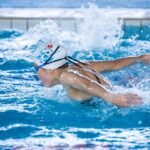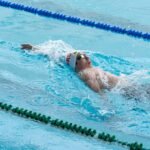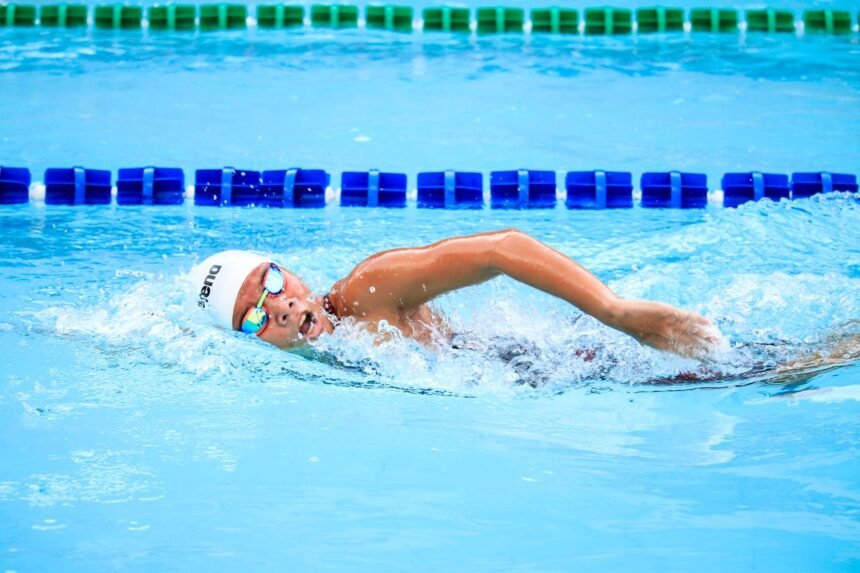
There is a profound sense of liberation that comes with submerging yourself in water. The noise of the world is muffled, gravity loses its grip, and for a moment, you are weightless. However, beyond the sensory experience, the pool represents one of the most effective training grounds for holistic health. If you have been looking for a sign to get off the sofa and into the lane lines, this is it. Starting swimming fitness journey plans can be daunting, but with the right approach, the transition from land-lubber to lap-swimmer is not only achievable but deeply rewarding.
Why Water? The Science Behind the Splash
Before diving into the logistics, it is crucial to understand why swimming is often touted as the “perfect exercise.” Unlike high-impact sports like running or CrossFit, swimming offers a unique environment where resistance is consistent, yet impact is non-existent.
According to the Centers for Disease Control and Prevention (CDC), swimming is the fourth most popular sports activity in the United States and is a good way to get regular aerobic physical activity. Just two and a half hours per week of aerobic physical activity, such as swimming, can decrease the risk of chronic illnesses. This makes it an ideal entry point for individuals recovering from injury, managing arthritis, or simply looking to preserve their joints while building cardiovascular endurance.
The Cardiovascular Advantage
Swimming forces your body to learn how to use oxygen more efficiently. Because your breathing is restricted to specific intervals (when your face is out of the water), your lungs and heart adapt by becoming stronger. Harvard Health Publishing notes that swimming trains the body to use oxygen more efficiently, which translates to a lower resting heart rate and lower blood pressure over time.
Essential Gear: What You Actually Need
One of the misconceptions about swimming is that it requires expensive technical equipment. In reality, the barrier to entry is low. To begin your journey, prioritize function over fashion.
- Swimwear: Look for chlorine-resistant fabrics (often labeled as “Endurance” or “PBT” blends). For fitness swimming, form-fitting suits (jammers or briefs for men, one-piece racerbacks for women) reduce drag significantly compared to beachwear.
- Goggles: Do not compromise here. Leaky goggles are the quickest way to ruin a workout. Test the suction on your eyes without the strap before buying.
- Swim Cap: Even if you have short hair, a cap protects your hair from chemical damage and reduces drag. Silicon caps are generally more durable than latex.
For those worried about the learning curve, U.S. Masters Swimming suggests that having the right gear can significantly boost confidence and comfort during those initial sessions.
Mastering the Mechanics: The Four Strokes
While “doggy paddle” might keep you afloat, it won’t build fitness. A successful aquatic fitness regimen revolves around the four competitive strokes.
- Freestyle (Front Crawl): The most efficient and fastest stroke. It is the foundation of most lap swimming workouts.
- Backstroke: Excellent for opening up the chest and improving posture, counteracting the “hunch” developed from sitting at desks.
- Breaststroke: A highly technical stroke that provides a lower intensity cardio workout but significant muscular engagement in the legs and chest.
- Butterfly: The most physically demanding stroke, generally reserved for advanced swimmers.
For detailed breakdowns on technique, Swimming.org offers comprehensive guides that visualize proper body position and catch mechanics.
Mental Health and the Blue Mind
Starting a swimming fitness journey isn’t just about physical transformation; it is a mental reset. The rhythmic nature of swimming—stroke, breathe, stroke, breathe—induces a meditative state.
The Mayo Clinic highlights that virtually any form of exercise, from aerobics to yoga, can act as a stress reliever, but the sensory isolation of water is particularly effective. This phenomenon, often referred to as “Blue Mind,” suggests that being in or near water promotes a state of mild meditativeness, reducing cortisol levels.
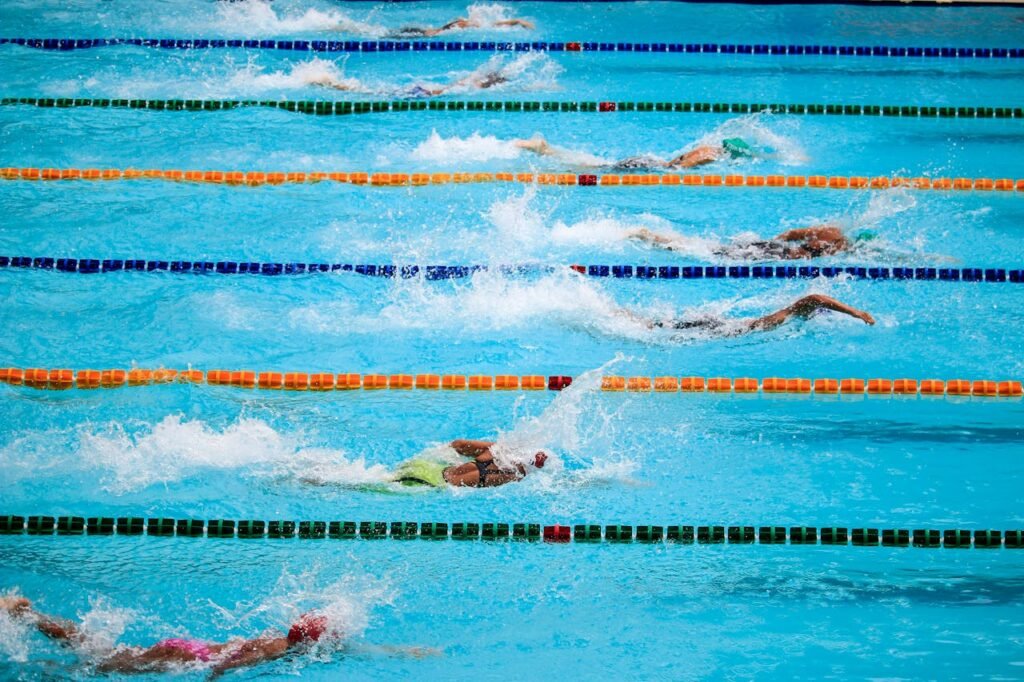
Analyzing the Burn: Swimming vs. Other Exercises
One of the primary motivators for new swimmers is weight management. Because water is roughly 800 times denser than air, every movement is a resistance exercise.
Comparative Caloric Burn & Muscle Engagement
The following table illustrates how different swimming strokes compare in terms of intensity and muscle targeting for an average 155lb (70kg) person performing for 30 minutes.
| Activity / Stroke | Approx. Calories Burned (30 mins) | Primary Muscles Engaged | Difficulty Level |
|---|---|---|---|
| Freestyle (Moderate) | 223 – 280 | Lats, Shoulders, Core, Glutes | Beginner/Intermediate |
| Breaststroke | 180 – 220 | Pectorals, Inner Thighs, Triceps | Intermediate |
| Backstroke | 180 – 220 | Lats, Hamstrings, Shoulders | Beginner/Intermediate |
| Butterfly | 330 – 380 | Full Body (Heavy Core/Shoulder) | Advanced |
| Running (5 mph) | 290 – 320 | Quads, Calves, Glutes | Intermediate |
| Cycling (Moderate) | 200 – 250 | Quads, Hamstrings | Beginner |
Note: Caloric estimates vary based on intensity and individual physiology. Data synthesis based on general metabolic equivalents.
Your First Month in the Water
Do not expect to swim a mile on day one. Swimming utilizes muscles that are often dormant during land-based activities. Here is a progressive structure to ensure you stick with starting your swimming fitness journey without burning out.
Week 1-2: Acclimatization
Focus on getting comfortable. Your goal is time in the water, not distance.
- Frequency: 2-3 times per week.
- Workout: 15-20 minutes. Swim 25 meters (one length), rest for 30-45 seconds. Repeat.
- Focus: Breathing. Exhale underwater through your nose so you can inhale quickly through your mouth when you turn your head.
Week 3-4: Building Endurance
Reduce the rest intervals.
- Frequency: 3 times per week.
- Workout: 30 minutes. Swim 50 meters (there and back), rest for 45 seconds. Incorporate a kickboard to isolate leg muscles.
Week 5+: Structure and Drills
Begin using the pace clock.
- Frequency: 3-4 times per week.
- Workout: 45 minutes. Mix strokes. 200m warmup, 4 x 50m sprints, 200m cooldown.
If you have pre-existing conditions, specifically joint issues, the Arthritis Foundation strongly recommends water-based exercise as a safe way to improve mobility without pain.
Safety and Etiquette
Pools are shared spaces, and adhering to lane etiquette is vital. Always circle swim (staying to the right side of the lane) if there are more than two people in a lane.
More importantly, water safety is paramount. Never swim alone in open water, and ensure lifeguards are present in pools. The American Red Cross provides essential tips on water competency that every beginner should review before their first deep-end plunge.
Nutrition and Hydration
A common mistake beginners make is neglecting hydration. You sweat in the pool just as you do on the track, but the water washes it away immediately, tricking your brain into thinking you are hydrated.
According to the National Athletic Trainers’ Association, proper fluid replacement is essential for performance and safety. Bring a water bottle to the pool deck and sip between sets. Post-swim, you may experience significant hunger—often called the “swimmer’s appetite.” Focus on lean proteins and complex carbohydrates to replenish glycogen stores without overeating.
Measuring Progress Beyond the Scale
While weight loss is a valid metric, swimming offers other data points for success.
- SWOLF Score: This is a combination of your stroke count and the time it takes to swim a length. Lower scores indicate higher efficiency.
- Resting Heart Rate: As your cardiovascular health improves, this number should drop.
- Mental Clarity: Monitor your stress levels on swim days versus non-swim days.
For those interested in global standards or watching how the pros do it to stay inspired, World Aquatics (formerly FINA) provides news on world records and major events, serving as great motivation.
Conclusion: Just Keep Swimming
Starting swimming fitness journey protocols is an investment in your future self. It is a sport that can be practiced from age 6 to 96. The initial awkwardness of wearing a swimsuit or getting water up your nose is a small price to pay for a lifetime of improved heart health, stronger muscles, and mental clarity.
The water is waiting. It doesn’t care how fast you are or what you look like; it only asks that you keep moving. Pack your bag, head to the pool, and push off the wall. Your best self is just a few laps away.