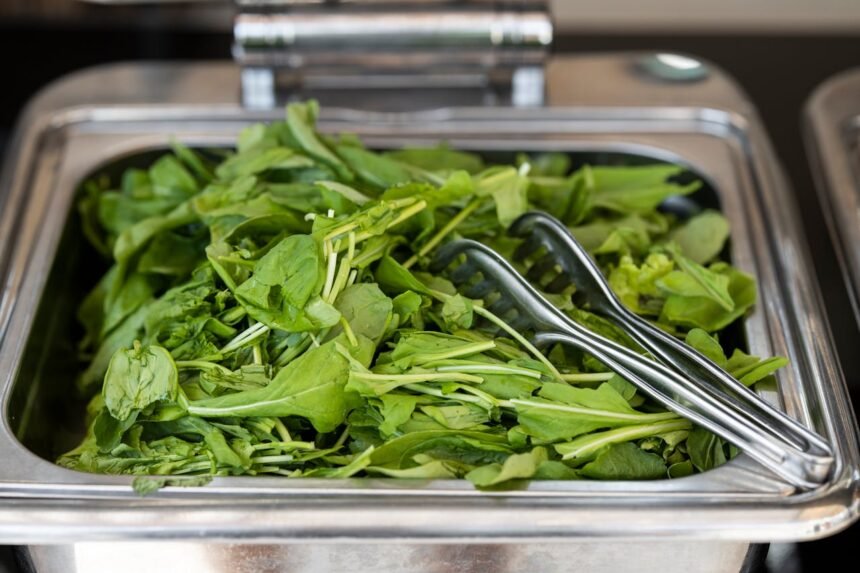
Mustard greens, known scientifically as Brassica juncea, are distinct among leafy vegetables for their robust, peppery flavour and impressive nutrient profile. While they are a staple in Southern American, African, and Asian cuisines, their history extends far beyond the kitchen table.
For centuries, various cultures have utilised mustard greens medicinal uses to treat ailments ranging from arthritis to respiratory congestion. Traditional healers valued the plant not just for sustenance, but for its stimulating and detoxifying properties.
Today, modern science is beginning to catch up with ancient wisdom. Researchers are uncovering the specific compounds responsible for these health benefits, particularly regarding inflammation and chronic disease prevention.
This article explores the historical significance of mustard greens, analyses their nutritional composition, and examines how current research supports their traditional applications.
A nutritional powerhouse
Before delving into medicinal applications, it is essential to understand the raw materials found within these leaves. Mustard greens are low in calories but dense in fibre and micronutrients.
They belong to the brassica family, sharing a lineage with kale, broccoli, and Brussels sprouts. However, they often contain higher concentrations of specific vitamins compared to their botanical cousins.
Here is a breakdown of the key nutrients found in one cup (56 grams) of raw chopped mustard greens:
| Nutrient | Amount | % Daily Value (approx.) |
|---|---|---|
| Calories | 15 | – |
| Protein | 2 grams | 4% |
| Fibre | 2 grams | 7% |
| Vitamin K | 278 mcg | 120% |
| Vitamin A | 176 mcg | 96% |
| Vitamin C | 39 mg | 44% |
| Copper | 0.1 mg | 10% |
Additionally, they are rich in phytonutrients, particularly glucosinolates, which are sulphur-containing compounds responsible for the vegetable’s sharp taste and many of its therapeutic effects.
Traditional medicinal uses
Historically, the mustard greens medicinal uses were diverse and specific to the region where the plant was cultivated. The plant was rarely seen merely as a side dish; it was a functional component of the apothecary.
The ‘heating’ energy
In Traditional Chinese Medicine (TCM) and Ayurveda, foods are often categorised by their thermal nature. Mustard greens are considered ‘warming’ foods. They were traditionally prescribed to dispel ‘cold’ conditions in the body, such as poor circulation or respiratory phlegm.
Practitioners believed that consuming these greens could stimulate the metabolic fire (Agni in Ayurveda), aiding digestion and preventing stagnation within the gut.
Respiratory relief and mustard plasters
Perhaps the most famous traditional application is the mustard plaster. While usually made from ground mustard seeds, the leaves were also utilised in poultices.
In various folk medicine traditions, crushed leaves were applied topically to the chest to treat congestion, bronchitis, and pneumonia. The natural irritants in the plant act as a rubefacient—a substance that causes capillaries to dilate and increases blood circulation to the skin. This warmth was thought to break up mucus and relieve pain.
Detoxification and digestive health
In African traditional medicine, bitter greens are often consumed to support liver function. The bitter profile of mustard greens stimulates bile production, which is essential for digesting fats and removing toxins from the body.
Historically, they were eaten at the start of a meal to prime the digestive system, a practice that modern science suggests has validity due to the interaction between bitter receptors and gastric secretion.
Modern scientific perspectives
While we no longer rely on mustard plasters for pneumonia, modern research confirms that the compounds in Brassica juncea possess potent biological activities. Here is what the science says about mustard greens medicinal uses.
Potent antioxidant capacity
Mustard greens are exceptionally high in antioxidants, including beta carotene, Vitamin C, and flavonoids. However, the stars of the show are glucosinolates.
When you chew or chop mustard greens, an enzyme calls myrosinase breaks down glucosinolates into isothiocyanates. These compounds have been shown to neutralise free radicals, effectively reducing oxidative stress.
Chronic oxidative stress is a primary driver of cell damage, leading to conditions such as Alzheimer’s, heart disease, and diabetes. By scavenging these free radicals, mustard greens act as a cellular shield.
Inflammation and chronic disease
Systemic inflammation is the root of many modern ailments. The isothiocyanates found in mustard greens work similarly to anti-inflammatory drugs by inhibiting specific inflammatory pathways in the body.
Research indicates that regular consumption of cruciferous vegetables is linked to a reduced risk of developing certain types of cancer, including colorectal and lung cancer. This is attributed to the ability of isothiocyanates to inhibit the growth of cancer cells and promote apoptosis (programmed cell death).
For a broader look at how these vegetables impact health, you can read more about cruciferous vegetables and their nutrient density.
Cardiovascular protection
Heart disease remains a leading cause of death globally. Mustard greens may offer protection through two primary mechanisms: cholesterol reduction and arterial health.
Firstly, steam-cooked mustard greens have a remarkable ability to bind bile acids in the digestive system. Because the body uses cholesterol to produce bile, binding and excreting bile acids forces the liver to draw upon cholesterol stores to make more, thereby lowering circulating cholesterol levels.
Secondly, the high Vitamin K content is crucial. While Vitamin K is known for clotting, it is also vital for preventing the calcification of arteries. Adequate Vitamin K intake ensures calcium is deposited in bones rather than in blood vessel walls.
Eye health support
As we age, macular degeneration becomes a significant concern. Mustard greens contain high levels of lutein and zeaxanthin, two antioxidants specifically concentrated in the retina.
According to the American Optometric Association, these compounds act as a natural sunblock for the eyes, filtering out harmful blue light and protecting retinal cells from oxidative damage.
Safety and precautions
Despite the extensive mustard greens medicinal uses, they are not suitable for everyone in unlimited quantities. Understanding the contraindications is vital for safe consumption.
Vitamin K and blood thinners
Mustard greens are among the richest sources of Vitamin K1. This vitamin plays a critical role in blood clotting. For individuals taking anticoagulants like warfarin, a sudden increase in Vitamin K intake can interfere with the medication’s efficacy.
According to the NHS, it is crucial to maintain a consistent intake of green leafy vegetables rather than avoiding them entirely, but consultation with a GP is necessary before making dietary changes.
Oxalates and kidney stones
Like spinach and rhubarb, mustard greens contain oxalates. In individuals prone to oxalate-type kidney stones, consuming high amounts of raw oxalates can contribute to stone formation.
However, cooking significantly reduces oxalate levels. Steaming or boiling the greens and discarding the water can make them safer for those with sensitive kidneys.
Thyroid function
Raw cruciferous vegetables contain goitrogens, substances that can interfere with thyroid function by blocking iodine uptake. This is generally only a concern for individuals with pre-existing thyroid conditions who consume very large amounts of raw greens.
Cooking the greens deactivates the enzyme responsible for the goitrogenic effect, rendering them safe for most people. For more on dietary impacts on health, resources like the British Nutrition Foundation provide excellent guidance.
Practical ways to add mustard greens to your diet
To maximise the mustard greens medicinal uses, preparation matters. Overcooking can destroy heat-sensitive vitamins like Vitamin C, while eating them raw maximises the availability of isothiocyanates but retains oxalates.
Steaming for cholesterol benefits
As mentioned earlier, steaming increases the bile acid-binding capacity of the greens.
- Wash the greens thoroughly.
- Remove thick stems.
- Steam for 4–5 minutes until vibrant green and tender.
- Dress with lemon juice and olive oil.
Sautéing with healthy fats
Vitamins A and K are fat-soluble, meaning they require dietary fat for proper absorption. Sautéing mustard greens in olive oil or coconut oil ensures you absorb these critical nutrients.
- Quick Recipe: Heat a tablespoon of olive oil. Add minced garlic and chilli flakes. Toss in chopped mustard greens and sauté until wilted (about 3 minutes). Season with a pinch of sea salt.
Raw in salads or smoothies
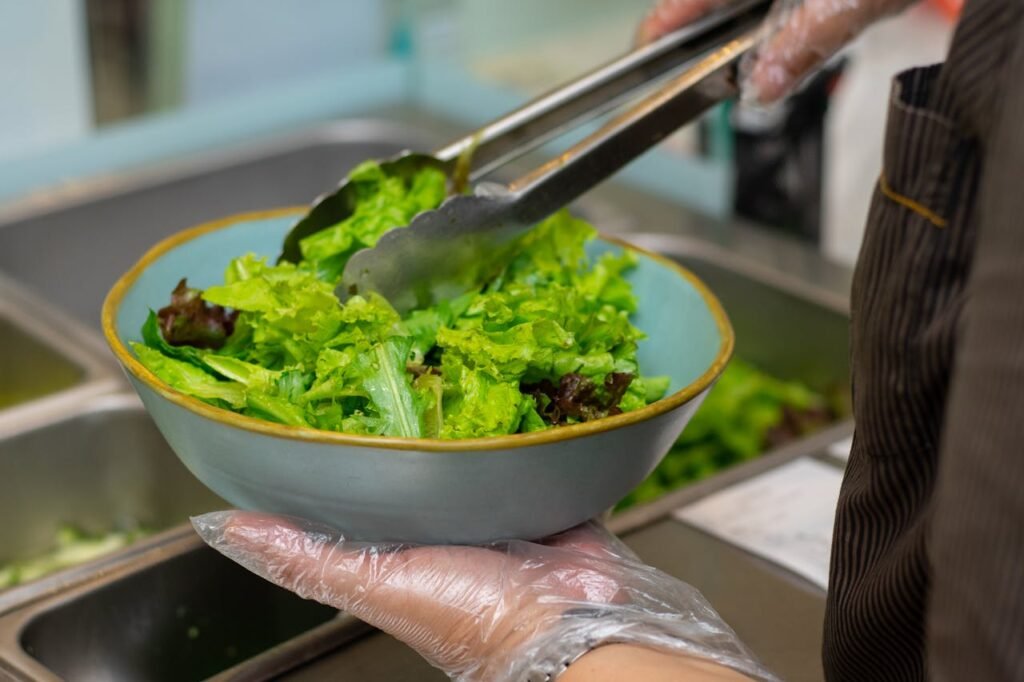
For a spicy kick, add baby mustard greens to salad mixes. Their sharp flavour pairs well with sweeter dressings. Alternatively, blend a small handful into a smoothie with apple and ginger to mask the bitterness while reaping the raw enzymatic benefits.
The bottom line
Mustard greens are far more than a simple side dish. They represent a bridge between ancient traditional medicine and modern nutritional science.
With their exceptional antioxidant profile, ability to lower cholesterol, and potential to fight inflammation, mustard greens medicinal uses are supported by a growing body of evidence. Whether you steam them to support heart health or enjoy them raw for a spicy antioxidant boost, they are a valuable addition to a balanced diet.
However, those on blood-thinning medication or prone to kidney stones should approach them with awareness. As with all powerful functional foods, balance and preparation are key to unlocking their full potential.
By incorporating this vibrant vegetable into your weekly rotation, you are not just adding flavour to your plate—you are investing in a preventative health strategy that has stood the test of time.
Additional Resources
- USDA FoodData Central – Comprehensive nutrient data.
- National Cancer Institute – Cruciferous vegetables and cancer prevention.
- Harvard T.H. Chan School of Public Health – The importance of vegetables.
- American Heart Association – Understanding cholesterol management.
- Linus Pauling Institute – Micronutrient research.
- PubMed Central – Database of scientific studies.