The ketogenic diet is a high-fat, very-low-carbohydrate eating plan that has transformed the way many people approach weight loss and metabolic health. By drastically reducing carbohydrate intake and replacing it with fat, your body enters a metabolic state called ketosis.
While on this diet, navigating the produce aisle can become a complex task. Vegetables are essential for providing micronutrients and fibre, yet many are too high in carbohydrates to fit comfortably within the strict daily limits of keto, which often caps net carbs at 20 to 50 grams per day.
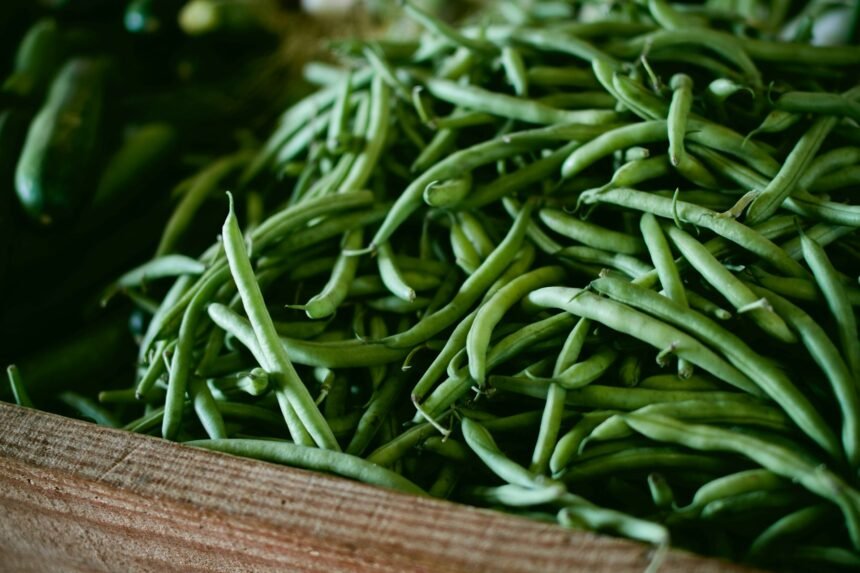
One vegetable that frequently sparks confusion is the green bean. Also known as string beans, snap beans, or French beans, they are technically legumes. Since legumes like beans, lentils, and chickpeas are notoriously high in carbohydrates, many keto dieters instinctively avoid them.
However, green beans are an exception to many rules.
This article provides an exhaustive look at whether green beans are keto-friendly, analysing their nutritional profile, potential health benefits, and how to incorporate them into your low-carb lifestyle.
The Nutritional Profile of Green Beans
To understand if green beans fit into your diet, we must first look at the hard data. Unlike their mature legume cousins (such as kidney or pinto beans), green beans are harvested while the beans are still young and the pod is fleshy.
This early harvest means they have a nutritional composition closer to non-starchy vegetables than to high-carb legumes. According to the USDA FoodData Central, a 100-gram serving (roughly one cup) of raw green beans contains approximately:
- Calories: 31
- Water: 90%
- Protein: 1.8 grams
- Fat: 0.2 grams
- Total Carbohydrates: 7 grams
- Fibre: 2.7 grams
- Sugar: 3.3 grams
Understanding Net Carbs
For those on a ketogenic diet, the most critical number is the net carbohydrate count. Net carbs are calculated by subtracting the fibre content from the total carbohydrates. Fibre is an indigestible carbohydrate that passes through the body without spiking blood sugar or affecting insulin levels significantly.
Calculation for Green Beans (100g):
- 7g Total Carbs – 2.7g Fibre = 4.3g Net Carbs
With only 4.3 grams of net carbs per 100-gram serving, green beans are remarkably low in carbohydrates. This makes them highly compatible with a standard ketogenic diet, provided you monitor your portion sizes.
Why Green Beans Are Different from Other Legumes
It is a common misconception that all legumes are forbidden on keto. The confusion stems from the botanical classification versus the nutritional reality.
Botanically, any plant that bears fruit inside a pod is a legume. This includes peas, lentils, peanuts, and all beans. Nutritionally, however, mature legumes are starchy and calorie-dense. For example, a cup of cooked kidney beans contains upwards of 40 grams of carbohydrates, which could consume an entire day’s carb allotment in a single meal.
Green beans differ because they are picked before the seeds inside have matured and developed large starch stores. The pod itself makes up the bulk of the vegetable, providing volume, water, and fibre with very little sugar. This distinction allows them to be categorised alongside keto staples like broccoli and courgette (zucchini) rather than high-carb lentils.
For a broader list of low-carb vegetables, you can review this guide on Healthline.
Key Health Benefits on a Keto Diet
Incorporating green beans into your routine does more than just keep your carb count low; it provides essential nutrients that can be difficult to obtain when restricting certain food groups.
1. Rich in Vitamin K
Green beans are an excellent source of Vitamin K1, a fat-soluble vitamin crucial for blood clotting and bone health. Adequate Vitamin K intake is essential for maintaining bone density, which is a concern for some older adults. Research indicates that Vitamin K plays a synergistic role with Vitamin D and Calcium in bone metabolism.
2. High in Antioxidants
These vegetables are loaded with antioxidants, including Vitamin C, flavonols, quercetin, and kaempferol. Antioxidants help fight oxidative stress and inflammation in the body. While the keto diet itself has anti-inflammatory properties, adding antioxidant-rich foods can further bolster your immune system. You can read more about the role of antioxidants at Medical News Today.
3. Source of Soluble Fibre
Constipation can be a common side effect for beginners on the keto diet (often called “keto flu” symptoms) due to a sudden drop in fibre intake from grains. The fibre in green beans helps maintain bowel regularity and supports gut health. Furthermore, soluble fibre helps moderate blood glucose levels. The importance of dietary fibre is well-documented by the NHS.

Green Beans vs. Other Keto Vegetables
How do green beans stack up against other popular low-carb vegetables? Below is a comparison of net carbs per 100g serving of raw vegetables.
| Vegetable | Total Carbs | Fibre | Net Carbs |
|---|---|---|---|
| Spinach | 3.6g | 2.2g | 1.4g |
| Courgette (Zucchini) | 3.1g | 1.0g | 2.1g |
| Broccoli | 6.6g | 2.6g | 4.0g |
| Green Beans | 7.0g | 2.7g | 4.3g |
| Brussels Sprouts | 9.0g | 3.8g | 5.2g |
While spinach and courgette are lower in carbs, green beans are comparable to broccoli and lower than Brussels sprouts. They offer a different texture—crunchy and firm—which adds variety to a diet that can sometimes feel repetitive.
Practical Tips: Selecting and Preparing Green Beans
To ensure you are staying within your macro goals, how you buy and cook your green beans matters significantly.
Fresh vs. Frozen vs. Canned
- Fresh: Ideally, choose fresh green beans. They should be bright green and snap easily when bent. They contain the highest nutrient density.
- Frozen: Frozen green beans are a fantastic alternative. They are often flash-frozen immediately after harvest, preserving their micronutrients. Check the label to ensure there are no added sauces or sugars.
- Canned: Proceed with caution. Canned green beans often have a softer texture and may contain added salt or preservatives. Crucially, some brands add sugar to the brine. Always read the nutritional label carefully to avoid hidden carbs. For more on reading food labels, consult Diabetes UK.
Cooking Methods for Keto
Since the ketogenic diet is high-fat, green beans are a perfect vehicle for healthy fats. Boiled or steamed beans on their own are low-calorie but won’t help you hit your fat macros.
1. Sautéed with Butter and Garlic:
Blanch fresh beans for 3 minutes, then drain. Heat a generous amount of grass-fed butter or ghee in a pan. Sauté the beans with minced garlic and sea salt until tender-crisp. The fat aids in the absorption of fat-soluble vitamins (A and K).
2. Roasted with Olive Oil:
Toss green beans in olive oil, salt, and cracked black pepper. Roast at 200°C (400°F) for 15–20 minutes. This concentrates the flavour and adds a delightful caramelisation.
3. Keto Green Bean Casserole:
A traditional favourite can be made keto-friendly by swapping condensed mushroom soup (which usually contains flour) for a homemade cream reduction using double cream, cream cheese, and mushrooms. Top with crushed pork rinds instead of fried onions for crunch.
Potential Downsides and Precautions
While generally safe, there are minor considerations to keep in mind regarding green beans keto integration.
Phytic Acid and Lectins
Like all legumes, green beans contain phytic acid and lectins, which are sometimes referred to as “anti-nutrients” because they can bind to minerals like iron and zinc, preventing absorption. However, the levels in green beans are much lower than in mature beans. furthermore, cooking significantly reduces these compounds. According to ScienceDirect, boiling or heating lectin-containing foods deactivates most of their potential toxicity.
FODMAPs
Green beans contain sorbitol and mannitol, which are types of sugar alcohols belonging to the FODMAP family. For individuals with Irritable Bowel Syndrome (IBS), large quantities might cause bloating or gas. However, they are generally considered low-FODMAP in serving sizes of up to 75g (roughly 15 beans). If you have sensitive digestion, stick to smaller portions. You can learn more about FODMAPs from Monash University.
The Carb Creep
Because green beans are palatable and less filling than leafy greens, it is easy to overeat them. Eating 300g of green beans would result in nearly 13g of net carbs—over half the daily allowance for strict keto dieters. Weighing your food is the best strategy to avoid unintentional carb creep. Tools like Cronometer can help you track these metrics accurately.
Frequently Asked Questions
Can I eat raw green beans on keto?
While you can eat them raw, it is generally recommended to cook them to neutralise lectins and improve digestibility. Raw beans can cause digestive distress in some people.
Are long beans (yardlong beans) the same as green beans?
Yardlong beans are similar but have a slightly different texture and carb count. They are generally keto-friendly but always verify the specific nutritional data for different varieties.
Do green beans spike insulin?
Green beans have a low Glycemic Index (GI), estimated around 32. Foods with a low GI are digested slowly and cause a slower, lower rise in blood sugar levels, making them excellent for insulin management. More on GI can be found at Harvard Health.
The Bottom Line
Are green beans keto-friendly? Yes, absolutely.
Green beans are a nutritious, low-carb vegetable that fits perfectly into a ketogenic lifestyle. With approximately 4.3 grams of net carbs per 100-gram serving, they offer a way to add variety, texture, and essential micronutrients to your meals without breaking ketosis.
Their classification as legumes should not deter you. Unlike their starchy relatives, they are harvested young, keeping their sugar content low and their fibre content high. Whether you enjoy them roasted with olive oil, sautéed in butter, or as part of a creamy low-carb casserole, they are a versatile staple for anyone looking to maintain a healthy, balanced keto diet.
As with all foods on a strict low-carb plan, portion control is key. Measure your servings, prepare them with healthy fats, and enjoy the nutritional benefits this vibrant vegetable has to offer.
Always consult with a healthcare professional or a registered dietitian before making significant changes to your diet, especially if you are managing conditions like diabetes or digestive disorders.