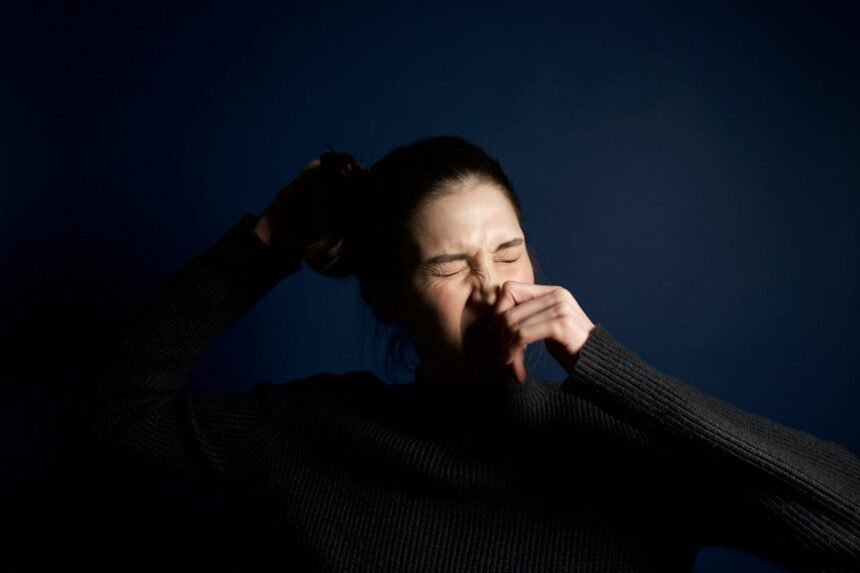
As winter thaws and the world bursts into bloom, millions of people brace themselves not for the beauty of nature, but for the onset of sneezing, congestion, and itchy eyes. Spring allergies, medically known as seasonal allergic rhinitis or “hay fever,” affect a significant portion of the global population. While the budding trees and flowers signal renewal, they also release clouds of pollen that trigger the immune system into overdrive.
Navigating this season requires more than just a box of tissues. It requires a strategic approach to environmental control, medication management, and lifestyle adjustments. In this comprehensive guide, we have compiled expert tips for seasonal allergy relief to help you reclaim your spring and enjoy the outdoors without the misery.
Understanding the Mechanism: Why Spring Hurts
To effectively combat allergies, one must understand what is happening inside the body. According to the Mayo Clinic, an allergy occurs when your immune system mistakenly identifies a harmless airborne substance—usually pollen—as dangerous.
In response, your body produces antibodies known as Immunoglobulin E (IgE). These antibodies signal your mast cells to release chemicals, most notably histamine, into the bloodstream. It is this histamine release that causes the mucous membranes to swell, eyes to water, and the nose to run. Understanding this chain reaction is the first step toward effective intervention.
The Impact of Climate on Pollen Loads
Recent data suggests that managing allergies is becoming increasingly difficult due to environmental changes. Research from the National Institute of Environmental Health Sciences indicates that climate change is causing longer pollen seasons and higher concentrations of pollen. Warmer temperatures signal plants to bloom earlier, creating a prolonged window of exposure for sufferers. This makes proactive management more critical than ever.
Strategic Environmental Control
One of the most effective ways to reduce symptoms is to reduce exposure to the allergen itself. While you cannot control the outdoors, you can significantly control your immediate environment.
1. Master the Pollen Count
Experts recommend checking local pollen forecasts daily. Most weather apps and the National Weather Service provide air quality and pollen data.
- High Counts: Stay indoors as much as possible, particularly in the morning (5 AM to 10 AM) when pollen counts generally peak.
- Windy Days: Dry, windy days are the worst for allergy sufferers. Rain helps clear pollen from the air, making just after a storm the best time for a walk.
2. Fortify Your Home
Keeping your home a pollen-free zone is essential. The Environmental Protection Agency (EPA) suggests improving indoor air quality through filtration.
- Keep Windows Closed: It is tempting to let the fresh spring breeze in, but it brings pollen with it. Rely on air conditioning during high-pollen days.
- Upgrade Filters: Use High-Efficiency Particulate Air (HEPA) filters in your HVAC system and consider standalone HEPA purifiers for bedrooms.
- Frequent Cleaning: Vacuum carpets and wash bedding weekly in hot water to eliminate settled pollen and dust mites.
Medical Interventions: Choosing the Right Relief
Medication is a cornerstone of relief for many. However, choosing the right type and timing is crucial. A common mistake is waiting until symptoms are severe before taking medication.
Start Early
The American Academy of Allergy, Asthma & Immunology (AAAAI) advises starting medications two weeks before you expect symptoms to begin. This primes the immune system and prevents the inflammatory cascade from gaining momentum.
Comparing Allergy Medications
Not all allergy medications work the same way. Below is a comparison of common over-the-counter (OTC) options.
| Medication Category | Active Ingredients (Examples) | Best For | Potential Side Effects |
|---|---|---|---|
| Oral Antihistamines (Non-drowsy) | Cetirizine, Loratadine, Fexofenadine | Sneezing, itching, runny nose, watery eyes | Generally low; mild headache or dry mouth |
| Oral Antihistamines (First-Gen) | Diphenhydramine, Chlorpheniramine | Acute allergic reactions, sleep aid | Significant drowsiness, impaired coordination |
| Nasal Corticosteroids | Fluticasone, Mometasone, Budesonide | Nasal congestion, inflammation, runny nose | Nosebleeds, nasal dryness, unpleasant taste |
| Decongestants | Pseudoephedrine, Phenylephrine | Sinus pressure and severe congestion | Insomnia, increased blood pressure, anxiety |
| Mast Cell Stabilizers | Cromolyn Sodium | Preventing symptoms before they start | Sneezing, nasal stinging |
Note: Always consult a healthcare provider before starting new medications, especially if you have underlying health conditions like high blood pressure.

Lifestyle Adjustments for Daily Relief
Beyond medication and air filters, small changes in your daily routine can yield significant expert tips for seasonal allergy relief.
The “Decon-amination” Routine
Pollen is sticky. It clings to hair, skin, and clothing. The Cleveland Clinic recommends creating a transition routine when entering your home:
- Shoes Off: Leave shoes at the door to prevent tracking pollen onto carpets.
- Change Clothes: Remove outdoor clothing immediately upon entering the house.
- Evening Showers: Showering before bed is non-negotiable. It washes pollen off your skin and hair, preventing it from transferring to your pillow where you will inhale it all night.
Nasal Irrigation
Rinsing your nasal passages with a saline solution can physically flush out mucus and allergens. Devices like Neti pots are effective, but safety is paramount. The FDA warns that you must use distilled, sterile, or boiled (and cooled) water—never tap water—to avoid rare but serious infections.
When OTC Isn’t Enough: Immunotherapy
For those who find no relief from avoidance or over-the-counter medications, it may be time to consult an allergist about immunotherapy. This long-term treatment involves exposing the body to gradually increasing doses of the allergen to build up tolerance.
There are two main types:
- Subcutaneous Immunotherapy (Allergy Shots): Injections given at a doctor’s office over a period of 3-5 years.
- Sublingual Immunotherapy (SLIT): Tablets or drops placed under the tongue, often taken at home after the first dose.
According to Harvard Health, both methods can significantly reduce symptoms and medication reliance, though shots are typically effective for a broader range of allergens.
Diet and Natural Support
While scientific evidence varies, some dietary choices may support immune health. Foods rich in Omega-3 fatty acids (like salmon and walnuts) have anti-inflammatory properties. Conversely, some allergy sufferers experience Oral Allergy Syndrome (OAS).
The Asthma and Allergy Foundation of America explains that proteins in certain raw fruits and vegetables mimic pollen proteins, causing an itchy mouth. For example, if you are allergic to birch pollen, eating raw apples might trigger a reaction. Cooking the food usually breaks down these proteins.
Conclusion: Reclaiming the Season
Spring should be a time of enjoyment, not endurance. by implementing these expert tips for seasonal allergy relief, from monitoring pollen counts to optimizing your home environment and adhering to a medication schedule, you can significantly reduce the impact of hay fever on your life.
Remember, allergies are a medical condition, not a character flaw or a simple annoyance to be ignored. If your symptoms persist despite these strategies, or if they lead to secondary infections like sinusitis or aggravate asthma, seek professional help.
Don’t let pollen dictate your schedule this year. Take control of your environment, consult with a specialist, and breathe easier this spring.
Disclaimer: This content is for informational purposes only and does not constitute medical advice. Always consult with a healthcare professional for diagnosis and treatment of medical conditions.