There are few things more disappointing in the produce aisle than spotting a vibrant, tropical papaya, only to discover it is rock-hard and unripe. We have all been there. You have a craving for that sweet, musky flavour and the buttery texture that makes papaya a breakfast staple, but the fruit available at your local supermarket simply is not ready to eat.
While papaya is native to Central America and Southern Mexico, it has become a beloved import in the UK. However, because these fruits travel long distances, they are often picked while still green to prevent spoilage during transit. This means they frequently arrive in your kitchen needing a little extra time.
Fortunately, you do not have to wait a week to enjoy your fruit. By understanding the science of ripening, you can speed up the process significantly using simple household items. Whether you are adding it to a smoothie or enjoying it with a squeeze of lime, getting the timing right is essential.
Here is everything you need to know about how to ripen a papaya quickly and store it for maximum freshness.
Understanding Papaya Ripeness
Before you attempt to speed up the process, it is vital to recognise the current stage of your fruit. Papayas shift dramatically in colour, texture, and scent as they mature.
Visual Cues
The most obvious indicator is the skin colour. An unripe papaya is completely green. As it ripens, the skin transitions to yellow, starting from the bottom and moving upwards.
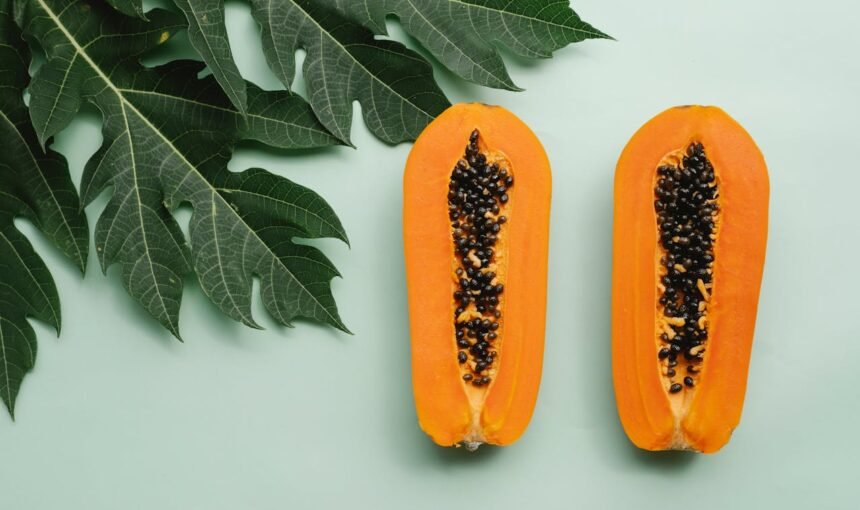
According to Encyclopaedia Britannica, the fruit is considered fully ripe when the skin is mostly amber to orange. However, some green spots near the stem are acceptable.
Texture and Scent
Texture is equally important. A ripe papaya should yield slightly under gentle pressure, similar to a ripe avocado. If it is hard as a stone, it needs more time. If your finger leaves an indent, it may be overripe.
Finally, check the scent. A ripe papaya will emit a sweet, slightly musky fragrance near the stem. If it has no smell, it is not ready. If it smells fermented or sour, it has likely gone past its prime.
The Science of Ripening: Ethylene Gas
To understand how to ripen a papaya, you must understand ethylene. This is a natural plant hormone released in the form of a gas. It triggers the ripening process in climacteric fruits, which are fruits that continue to ripen after being picked.
Research published by the National Center for Biotechnology Information (NCBI) highlights how ethylene signals the production of enzymes that break down cell walls and convert starches into sugars. By manipulating the concentration of ethylene around your papaya, you can drastically reduce the waiting time.
3 Methods to Ripen a Papaya Quickly
If your papaya is green and hard, leaving it on the counter might take up to a week. Use these methods to speed things up.
1. The Paper Bag Method
This is the most reliable method. By placing the fruit inside a paper bag, you trap the ethylene gas it naturally emits, concentrating it around the fruit.
- Get a brown paper bag. Do not use plastic, as this traps moisture and can cause mould.
- Place the papaya inside. Roll the top of the bag shut to seal it loosely.
- Check daily. This method typically cuts ripening time by half.
2. The Fruit Companion Method
To accelerate the process even further, add another high-ethylene producing fruit to the bag. Bananas and apples are the heavy hitters here.
- Add a ripe banana. As noted by Healthline, bananas are prolific producers of ethylene gas, making them the perfect companion for stubborn unripe fruit.
- Seal the bag. The combined gas from the banana and the papaya will work quickly.
- Monitor closely. This can ripen a papaya in as little as 24 to 48 hours.
3. The Rice Burial Method
If you do not have a paper bag, uncooked rice can serve a similar function. This is a common technique in many Asian households.
- Submerge the fruit. Place the papaya in a deep bowl or container of raw rice.
- Cover it completely. The rice traps the ethylene gas effectively.
- Wait. Check the fruit every 12 hours, as this method is surprisingly fast.

Storing Papaya: Fridge or Counter?
Once your papaya has reached perfection, storage becomes the priority. Improper storage can lead to mushy texture or flavour loss.
Whole Papaya
Never refrigerate a completely green papaya. The cold temperature can halt the ripening process permanently, a phenomenon known as chilling injury.
- Keep it at room temperature. Place it on a flat surface away from direct sunlight.
- Rotate occasionally. This prevents soft spots from forming on one side.
- Refrigerate when ripe. Once the fruit is yellow and soft, move it to the fridge. It will stay fresh for about 5 to 7 days.
Cut Papaya
Once you have sliced into the fruit, the clock starts ticking. The Food Standards Agency recommends storing cut fruit in the fridge to slow bacterial growth.
- Remove the seeds. While edible, removing them prevents them from altering the texture of the flesh during storage.
- Use an airtight container. This keeps moisture in and fridge odours out.
- Consume quickly. Cut papaya is best eaten within 2 to 3 days.
Nutritional Benefits of Papaya
It is worth the effort to ripen this fruit properly because it is a nutritional powerhouse. Including it in your diet helps you hit your targets outlined by the NHS ‘5 A Day’ campaign.
Rich in Antioxidants
Papayas are loaded with carotenoids, specifically lycopene, which acts as an antioxidant. These compounds help neutralise free radicals in the body.
Digestion Aid
The fruit contains an enzyme called papain, which helps break down proteins. According to Medical News Today, papain is so effective that it is often used as a natural meat tenderiser. This makes papaya an excellent dessert after a heavy meat-based meal.
Vitamin C Boost
A single medium papaya provides more than double the recommended daily intake of Vitamin C. The Harvard T.H. Chan School of Public Health notes that Vitamin C is essential for immune function and collagen production.
Ripening Stages at a Glance
Use this table to determine what to do with your papaya based on its current condition.
| Stage | Appearance | Texture | Best Use | Action Required |
|---|---|---|---|---|
| Unripe | 100% Green skin. | Very hard, like a potato. | Thai Green Papaya Salad. | Use paper bag method. |
| Breaking | Green with yellow streaks. | Firm but not rock hard. | Cooking or salsas. | Add a banana to bag. |
| Ripe | Mostly yellow/orange. | Yields to thumb pressure. | Smoothies, raw eating. | Eat or refrigerate. |
| Overripe | Orange with brown spots. | Very soft, mushy spots. | Baking or purees. | Eat immediately. |
Frequently Asked Questions
Can you eat papaya when it is green?
Yes, but it is very different from ripe papaya. Green papaya is crunchy and lacks sweetness. It is the primary ingredient in Som Tum, a famous spicy salad. For recipe inspiration, BBC Good Food offers excellent guides on preparing unripe papaya.
Are papaya seeds edible?
Absolutely. While most people discard them, the seeds are edible and nutritious. They have a sharp, peppery flavour often compared to mustard or wasabi. WebMD suggests they can be dried and ground as a pepper substitute.
Will microwaving a papaya ripen it?
No. Microwaving will only soften the flesh by cooking it. It will not convert starches into sugars or develop the complex aromatic profile of a naturally ripened fruit. It is best to stick to the paper bag method.
Does papaya help with constipation?
Yes. The high water content and fibre in papaya promote regularity. The Mayo Clinic emphasises that dietary fibre is essential for maintaining bowel health.
The Bottom Line
Waiting for tropical fruit to ripen can be a test of patience, but you do not have to leave it to chance. By utilising the paper bag method—especially with the addition of a banana—you can turn a rock-hard green fruit into a sweet, juicy treat in just a day or two.
Remember to check your fruit daily to prevent it from becoming overripe. Once it reaches that perfect amber hue and yields gently to the touch, move it to the fridge to preserve its freshness.
Whether you are looking to boost your Vitamin C intake, improve your digestion with papain, or simply enjoy a delicious breakfast, mastering the art of ripening guarantees you get the most out of your papaya every single time.