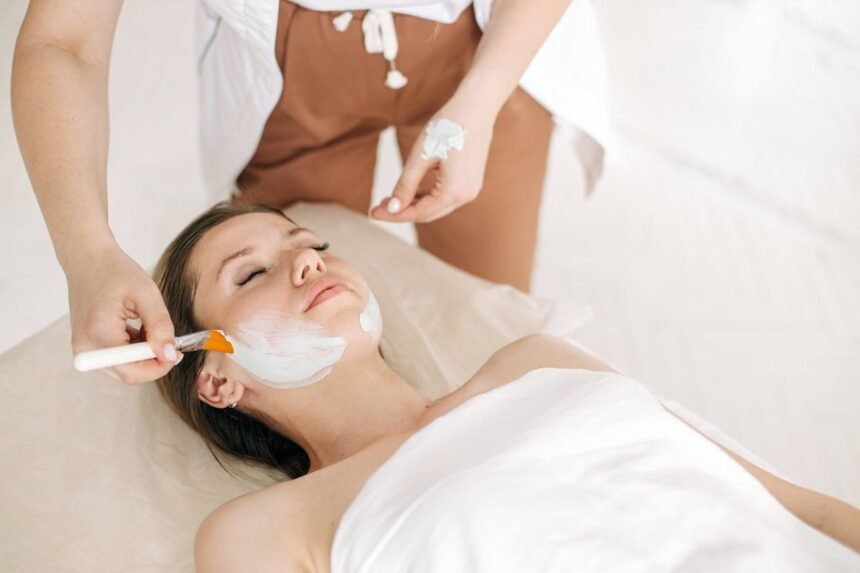
For many skincare enthusiasts, the phrase “chemical peel” conjures images of intense shedding and raw skin, reminiscent of the famous Sex and the City episode. However, the reality of modern aesthetics is far more nuanced. Chemical peels remain one of the most effective treatments for resurfacing texture, reducing hyperpigmentation, and smoothing fine lines. But for those with reactive complexions, the path to radiance requires a specialized roadmap. Mastering chemical peel aftercare for sensitive skin is not just about comfort—it is the difference between a glowing transformation and a compromised barrier.
Whether you have just left the salon or are considering booking your first appointment, this comprehensive guide will walk you through the delicate process of healing, ensuring your sensitive skin emerges healthier and more vibrant than ever.
The Science of Sensitivity: What Just Happened to Your Skin?
To understand aftercare, you must first understand the mechanism of the treatment. A chemical peel involves applying a solution—typically composed of alpha-hydroxy acids (AHAs), beta-hydroxy acids (BHAs), or enzymes—to the skin to lower its pH. This process loosens the bonds between dead skin cells, encouraging exfoliation.
According to the American Academy of Dermatology, superficial or “lunchtime” peels are most appropriate for sensitive skin. These penetrate only the outermost layer of the epidermis. However, even mild peels induce a controlled injury to the skin. For sensitive types, this triggers a healing response that requires meticulous management to prevent excessive inflammation.
Why Sensitive Skin Reacts Differently
Sensitive skin is often characterized by a thinner lipid barrier and overactive nerve endings. According to the Cleveland Clinic, this makes the skin more susceptible to irritants and environmental stressors. During post-peel recovery, your primary goal is barrier reinforcement rather than aggressive treatment.
The Golden Rules of Chemical Peel Aftercare for Sensitive Skin
Successful recovery is a marathon, not a sprint. The first 72 hours are critical for preventing adverse reactions such as post-inflammatory hyperpigmentation (PIH).
1. The “Less is More” Cleansing Approach
For the first few days, your skin may feel tight, similar to a mild sunburn. It is vital to switch to a soap-free, non-foaming cleanser. Harsh surfactants can strip the oils your skin desperately needs during the re-epithelialization process.
- Do: Use cool or lukewarm water. Hot water increases vasodilation (redness).
- Don’t: Use washcloths, sonic cleansing brushes, or scrubs. The peel is the exfoliation; you do not need more.
2. Hyper-Hydration is Non-Negotiable
Peels temporarily disrupt the skin’s ability to hold water. As noted by Harvard Health Publishing, applying a moisturizer rich in occlusives creates a seal over the skin, preventing transepidermal water loss (TEWL). Look for ingredients like Hyaluronic Acid, Glycerin, and Ceramides.
3. Absolute Sun Avoidance
The FDA highlights that AHAs can increase UV sensitivity for up to a week after treatment. For sensitive skin, this sensitivity can be even more pronounced. If you must go outside, a broad-spectrum mineral sunscreen (Zinc Oxide or Titanium Dioxide) is less likely to cause stinging than chemical filters.
Choosing the Right Ingredients: A Comparative Guide
Not all acids and ingredients are created equal. When discussing your treatment plan with your esthetician, or looking for maintenance products, understanding molecular size is key. Larger molecules penetrate slower, causing less irritation.
| Acid / Ingredient | Molecule Size | Source | Suitability for Sensitive Skin aftercare |
|---|---|---|---|
| Mandelic Acid | Large | Bitter Almonds | High. Penetrates slowly, minimizing irritation. Excellent for sensitive acne-prone skin. |
| Lactic Acid | Medium | Milk | High. Known for humectant properties (pulls moisture in) alongside exfoliation. |
| Glycolic Acid | Small | Sugar Cane | Low/Moderate. Penetrates fast. Can cause “hot spots” on reactive skin if not neutralized quickly. |
| Ceramides | N/A | Lipid | Essential. Restores the “mortar” between skin cells. See research from PubMed on barrier repair. |
| Retinol | N/A | Vitamin A | Avoid. Pause use for 7-10 days pre- and post-peel to avoid chemical burns. |
The Recovery Timeline: What to Expect
Managing expectations is a huge part of chemical peel aftercare for sensitive skin. Here is a standard timeline for a superficial peel:
- Day 1 (Treatment Day): Skin may look flushed or frosted. Tightness is normal. Do not apply makeup.
- Day 2: Skin may turn a darker shade of brown or red as dead cells rise to the surface. Continue heavy moisturizing.
- Day 3-5: Flaking begins. Do not pick. According to the American Society of Plastic Surgeons, picking at flaky skin can lead to scarring and infection.
- Day 6-7: Most flaking should subside. Fresh, pink skin is revealed. You may slowly reintroduce mild actives if irritation has ceased.
Red Flags: When to Call Your Esthetician
While some redness is normal, sensitive skin is prone to more volatile reactions. It is crucial to distinguish between normal healing and complications.
- Extreme Heat: If the skin feels feverish to the touch 24 hours later.
- Oozing or Blistering: This may indicate a burn or a reactivation of the cold sore virus (Herpes Simplex). The Mayo Clinic advises antiviral prophylaxis for those prone to cold sores.
- Persisting Hyperpigmentation: If dark spots appear and stay, you may be experiencing PIH, a common issue for darker or sensitive skin tones. Resources from DermNet NZ suggest specific inhibitors may be needed.
Lifestyle Adjustments During Recovery
Your environment plays a massive role in how fast you heal.
- Skip the Gym: Sweat contains salts that irritate raw skin. Furthermore, gyms are breeding grounds for bacteria. Wait 48 hours before heavy exercise.
- Cool Down Your Bedroom: Sleeping in a cool room helps constrict blood vessels, reducing inflammation.
- Dietary Hydration: Drinking water helps, but eating water-rich foods (cucumbers, watermelon) provides systemic hydration.
Sun Protection: The Ultimate Insurance Policy
We cannot stress this enough: The Skin Cancer Foundation warns that UV damage is cumulative. Peeling removes the protective stratum corneum. Exposing fresh, baby-soft skin to the sun without protection is counterproductive to the anti-aging benefits of the peel. Wear a wide-brimmed hat and seek shade relentlessly for the first two weeks.
Conclusion
Navigating chemical peel aftercare for sensitive skin requires patience, gentle products, and a commitment to protecting your skin barrier. While the peeling phase may require some social downtime, the results—a brighter, smoother, and more even complexion—are well worth the wait. By following these professional guidelines, adhering to the advice of medical authorities like WebMD, and listening to your skin’s unique needs, you can safely enjoy the transformative power of chemical exfoliation.
Ready to reveal your most radiant skin safely?
Do not let sensitivity hold you back from the glow you deserve. [Book a consultation] with our expert estheticians today. We specialize in customizing gentle enzyme and chemical peels specifically tailored for sensitive skin profiles, ensuring you get the results without the risk.