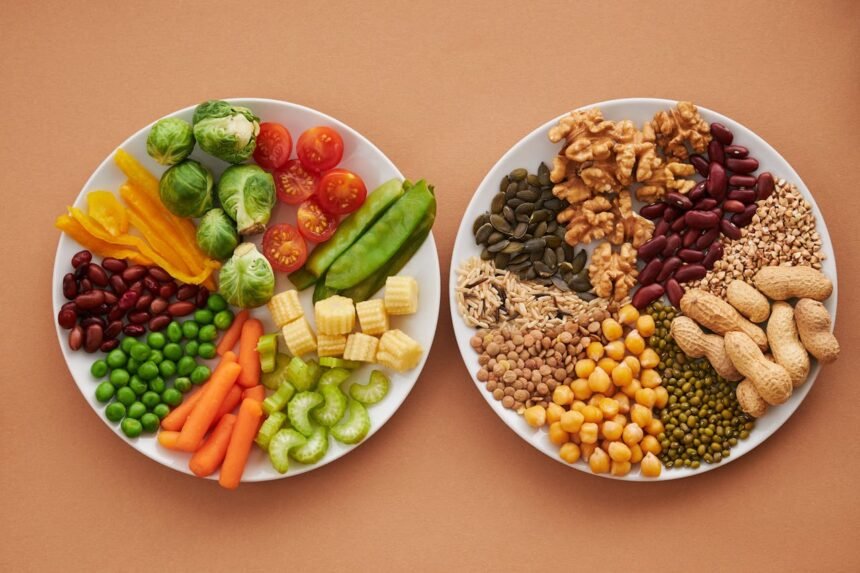
Remember the 90s? It was a time of neon windbreakers, dial-up internet, and an absolute terror of dietary fat. We were told to buy everything “low-fat” or “fat-free.” Cookies, yogurt, salad dressings—if it didn’t have fat, it was deemed healthy, even if it was loaded with sugar. Spoiler alert: that approach didn’t make us healthier. In fact, it often left us hungry, tired, and nutritionally imbalanced.
Thankfully, nutrition science has evolved. We now know that fat isn’t the enemy; it’s an essential nutrient. But with so much conflicting advice floating around, it’s easy to feel overwhelmed. If you’ve ever stood in the grocery aisle staring at a bottle of avocado oil wondering if it’s actually good for you, this post is for you. We are going to get good fats explained simply, breaking down what to eat, what to avoid, and why your body will thank you for the upgrade.
Why Do We Need Fat Anyway?
Before we categorize them, let’s talk about why we need fats in the first place. You might think of fat as something you want to lose, but on a biological level, it is a VIP (Very Important Nutrient).
Dietary fat plays several crucial roles:
- Energy Reserve: Fat is a dense energy source. While carbohydrates provide quick fuel, fats are your body’s long-term energy storage.
- Vitamin Absorption: You know those healthy leafy greens packed with Vitamins A, D, E, and K? They are “fat-soluble.” This means your body literally cannot absorb them without the presence of fat. As noted by the Harvard T.H. Chan School of Public Health, eating a salad without dressing might mean you miss out on the nutrients.
- Brain Health: Your brain is approximately 60% fat. It needs fatty acids to maintain structure and facilitate communication between cells.
- Hormone Production: Fats are the structural building blocks for essential hormones that regulate everything from metabolism to reproduction.
The Good, The Bad, and The Misunderstood
To get good fats explained simply, we need to look at their chemical structure. But don’t worry, we won’t turn this into a chemistry exam. We’ll stick to the three main categories you see on nutrition labels.
1. The “Good” Guys: Unsaturated Fats
These are the fats you want to invite to the party. They are typically liquid at room temperature and are champions for heart health.
Monounsaturated Fats (MUFAs)
Think of these as the foundation of the Mediterranean Diet. They help lower bad cholesterol (LDL) and maintain cells.
- Sources: Olive oil, avocados, almonds, peanuts, and cashews.
- Pro Tip: According to the American Heart Association, replacing saturated fats with monounsaturated fats can significantly reduce the risk of heart disease and stroke.
Polyunsaturated Fats (PUFAs)
These include the famous Omega-3 and Omega-6 fatty acids. Your body cannot make these on its own; you must get them from food. They are essential for brain function and cell growth.
- Omega-3s: The superstars of fighting inflammation. Found in fatty fish (salmon, mackerel), flaxseeds, and walnuts. The National Institutes of Health (NIH) highlights their role in heart health and potentially reducing the risk of chronic diseases.
- Omega-6s: Found in vegetable oils like sunflower, corn, and soybean oil. While necessary, modern diets often have too much Omega-6 and not enough Omega-3. Balance is key.
2. The “Bad” Guys: Trans Fats
If there is a villain in our story, this is it. Artificial trans fats are created by adding hydrogen to liquid vegetable oils to make them more solid (a process called hydrogenation). They raise your bad cholesterol and lower your good cholesterol.
Because of their harmful effects, the U.S. Food and Drug Administration (FDA) has taken steps to ban artificial trans fats from the food supply, but you should still check labels for “partially hydrogenated oils” in processed snacks and baked goods.
3. The Misunderstood: Saturated Fats
Saturated fats are typically solid at room temperature (like butter, cheese, and the fat on a steak). For decades, these were demonized as the sole cause of heart disease.
However, recent research suggests the picture is nuanced. While the USDA Dietary Guidelines still recommend limiting saturated fat to under 10% of daily calories, many experts argue that the source matters. Saturated fat from a highly processed fast-food burger is likely worse for you than saturated fat from dark chocolate or grass-fed beef. The consensus? Enjoy them, but in moderation, and focus more on increasing unsaturated fats.
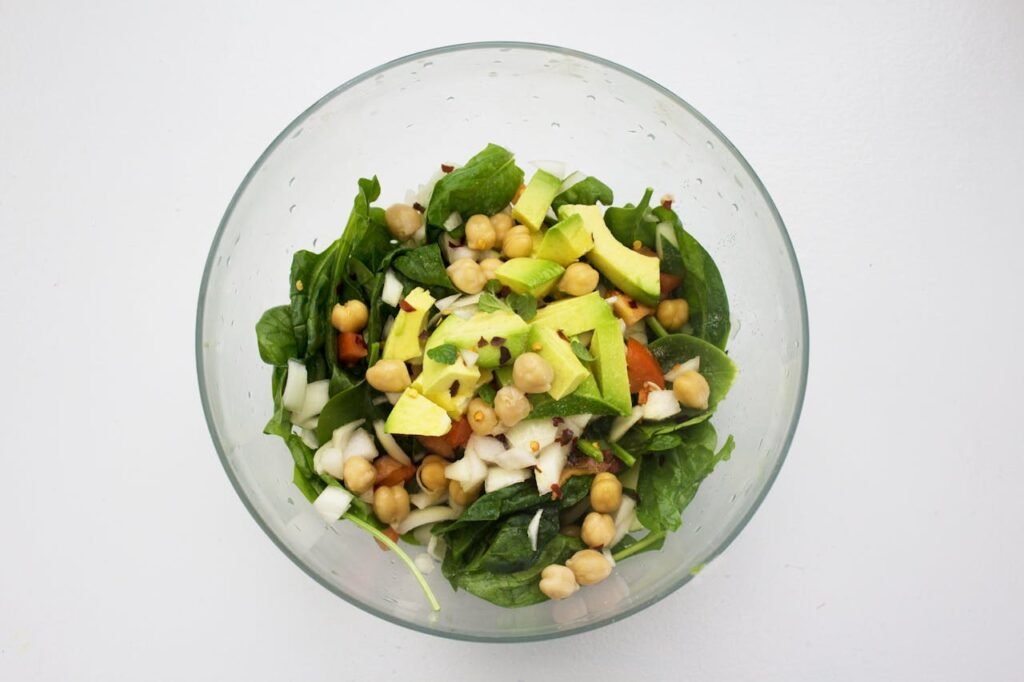
Cheat Sheet: Fat Sources at a Glance
To make your grocery shopping easier, here is a breakdown of what to put in your cart and what to leave on the shelf.
| Fat Type | Verdict | Primary Sources | Key Benefit/Risk |
|---|---|---|---|
| Monounsaturated | Eat Often | Olive oil, Avocado oil, Avocados, Nuts (Almonds, Pecans) | Lowers bad cholesterol, protects the heart. |
| Polyunsaturated (Omega-3) | Eat Often | Salmon, Sardines, Chia seeds, Walnuts, Flaxseed | Reduces inflammation, boosts brain health. |
| Saturated | Limit / Moderation | Butter, Cheese, Red meat, Coconut oil | Can raise cholesterol, but acceptable in moderation. |
| Trans Fat | Avoid Completely | Fried fast foods, Commercial baked goods, Stick margarine | Increases risk of heart disease and stroke. |
How to Incorporate Good Fats into Your Diet
Knowing the science is one thing, but how do you actually eat this way? Here are some simple, practical swaps to get more healthy fats into your day.
1. Dress Your Greens
Stop buying fat-free ranch. Instead, make a simple vinaigrette using Extra Virgin Olive Oil (EVOO). Not only does it taste better, but the fat helps you absorb the nutrients in the salad. The Cleveland Clinic notes that olive oil is rich in antioxidants that fight inflammation.
2. Snack Smarter
Swap the pretzels for a handful of nuts. Walnuts are particularly great because they are high in ALA, a plant-based Omega-3. Just watch the portion size—fats are calorie-dense!
3. Befriend the Avocado
Avocados are basically nature’s butter. Mash them on toast, slice them into omelets, or blend them into smoothies for a creamy texture without the dairy. They provide fiber along with healthy fats, which keeps you full longer.
4. Eat Fish Twice a Week
Aim for two servings of fatty fish per week. If you aren’t a fan of fish, consider a high-quality fish oil supplement, but check with your doctor first. Mayo Clinic suggests that fatty fish is one of the best ways to protect your heart.
Busting Common Fat Myths
Let’s clear up a few lingering misconceptions to ensure we have good fats explained simply and correctly.
Myth 1: Eating fat makes you fat. Fact: Weight gain is generally a result of consuming more energy (calories) than you burn, regardless of where those calories come from. Because fat is satisfying, eating the right amount can actually prevent overeating. The Centers for Disease Control and Prevention (CDC) emphasizes a balanced diet for weight management, not just cutting out single nutrients.
Myth 2: All vegetable oils are healthy. Fact: Not necessarily. Highly processed vegetable oils (like soybean or corn oil) are often used in junk food and are high in Omega-6s. While not “toxic,” most people eat too much of them compared to Omega-3s. Try to prioritize fruit oils like olive or avocado oil.
Myth 3: Coconut oil is a miracle cure. Fact: Coconut oil is high in saturated fat. While it has a unique metabolic profile (MCTs), the British Heart Foundation advises using it sparingly rather than treating it as a health supplement to be eaten by the spoonful.
Conclusion: Embrace the Balance
Food is fuel, but it’s also information for your body. By shifting your focus from “low fat” to “quality fat,” you are telling your body to build healthy cells, reduce inflammation, and sustain energy levels.
Don’t stress about being perfect. Start small. Cook with olive oil tonight, throw some chia seeds in your yogurt tomorrow morning, or swap that afternoon bag of chips for some almonds. Your body (and your taste buds) will appreciate the change.
Ready to revamp your pantry? Start by reading the labels on your oils and snacks today, and remember: fat is not the enemy—it’s just a misunderstood friend waiting for a proper introduction.
Disclaimer: This content is for informational purposes only and is not a substitute for professional medical advice. Always consult your doctor or a registered dietitian before making significant changes to your diet.