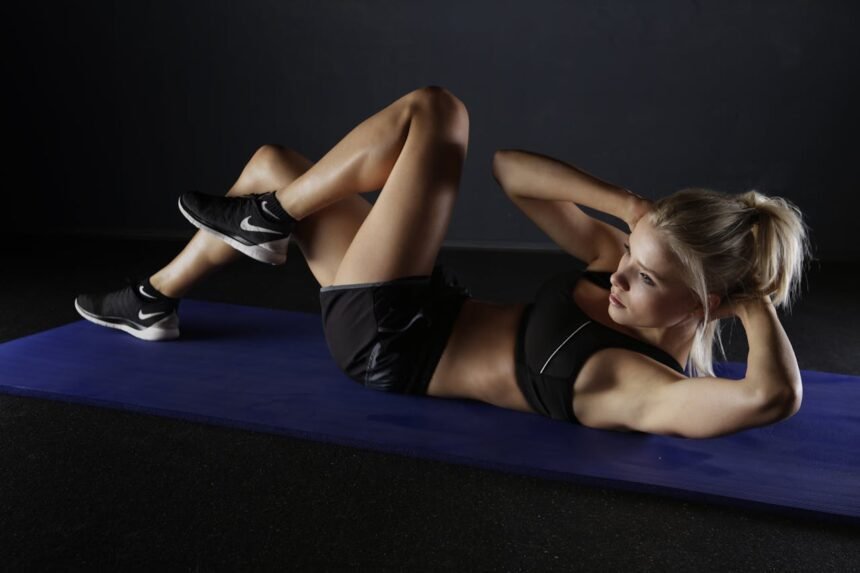
In the modern era of fitness, the barrier to entry has never been lower. You no longer need an expensive gym membership, a commute, or fashionable activewear to improve your health. The most effective gym is the one you actually use, and for many, that gym is the living room floor. Starting home workouts for beginners can feel daunting due to the sheer volume of information available online, but the process is surprisingly simple when stripped down to the fundamentals.
This guide will walk you through the essential steps to establishing a sustainable, effective, and safe home fitness routine without the fluff.
The Physiology of Home Fitness: Why It Works
Before diving into the how, it is crucial to understand the why. There is a misconception that effective workouts require heavy machinery. However, your body cannot distinguish between a $5,000 leg press machine and a properly executed bodyweight squat; it only recognizes tension and resistance.
According to the Centers for Disease Control and Prevention (CDC), regular physical activity is one of the most important things you can do for your health. It improves brain health, helps manage weight, reduces the risk of disease, and strengthens bones and muscles. Home workouts eliminate the friction of travel and scheduling, making it easier to adhere to the American Heart Association’s recommendation of at least 150 minutes of moderate-intensity aerobic activity per week.
The Mental Health Connection
Starting a routine isn’t just about physique; it’s about psychology. Exercise releases endorphins, the body’s natural stress relievers. The National Institute of Mental Health highlights that regular exercise can significantly improve mental health by reducing anxiety and depression while improving cognitive function.
Setting the Stage: Environment and Equipment
One of the primary advantages of starting home workouts for beginners is the minimal investment required. You do not need a fully garage gym to see results. You need a safe space and gravity.
The Minimalist Setup
To begin, clear a space approximately the size of a yoga mat (roughly 6 feet by 2 feet). Ensure the floor is not slippery and that you have enough clearance to extend your arms fully overhead and out to the sides.
While equipment is optional, a few affordable items can enhance your routine:
- Yoga Mat: Provides traction and cushioning for floor exercises.
- Resistance Bands: Versatile tools for adding load to movements without heavy weights.
- Chair: Used for stability and modification of exercises like dips or step-ups.
For those interested in expanding their gear later, ACE Fitness suggests starting with versatile, space-saving items before investing in cardio machines.
Comparison: Home Workouts vs. Commercial Gyms
Deciding between home fitness and a commercial facility is often the first hurdle. The table below outlines the key differences to help you decide if the home route is truly for you.
| Feature | Home Workout | Commercial Gym |
|---|---|---|
| Cost | Free to Low (Optional equipment costs) | High ($30 – $100+ monthly) |
| Convenience | Immediate access; no commute | Requires travel and check-in |
| Privacy | High; no audience | Low; shared space |
| Equipment Variety | Limited to what you own | Extensive machinery and weights |
| Hygiene | Controlled by you | Dependent on staff and other members |
| Time Efficiency | Excellent for short sessions | Lower due to travel and waiting for machines |
The Blueprint: Your First Routine
If you are starting home workouts for beginners, structure is your best friend. A safe workout consists of three phases: The Warm-up, The Work, and The Cool-down.
Phase 1: The Warm-up (3-5 Minutes)
Never skip the warm-up. Cold muscles are prone to injury. The goal is to raise your body temperature and lubricate your joints.
- Marching in place: 1 minute.
- Arm circles: 30 seconds forward, 30 seconds backward.
- Torso twists: Gentle rotation to mobilize the spine.
Phase 2: The Bodyweight Circuit (15-20 Minutes)
Perform the following exercises in a circuit format. Do one set of each exercise, rest for 60 seconds, and repeat the cycle 2-3 times.
- Bodyweight Squats (Lower Body): Stand with feet shoulder-width apart. Lower your hips back and down as if sitting in a chair. Keep your chest up.
- Tip: The Mayo Clinic emphasizes keeping your knees aligned with your feet to prevent injury.
- Push-ups (Upper Body Push): Start in a plank position. Lower your chest to the floor and push back up.
- Modification: Perform these against a wall or on your knees if a full push-up is too difficult.
- Lunges (Unilateral Leg Strength): Step forward with one leg and lower your hips until both knees are bent at a 90-degree angle. Push back to the start.
- Plank (Core Stability): Hold a push-up position or rest on your forearms. Keep your body in a straight line from head to heels.
- Insight: Harvard Health Publishing notes that core exercises are essential for stability and balance in everyday activities.
Phase 3: The Cool-down (3-5 Minutes)
Allow your heart rate to return to normal gently. Perform static stretches for the hamstrings, quads, and chest.
Fueling and Recovery
A workout is only as good as the recovery that follows it. When you exercise, you create microscopic tears in your muscle fibers; repair occurs during rest.
Hydration
Water regulates your body temperature and lubricates joints. It helps transport nutrients to give you energy and keep you healthy. According to MedlinePlus, even mild dehydration can drain your energy and make you tired.
Nutrition
You don’t need expensive supplements. Focus on whole foods. The Academy of Nutrition and Dietetics suggests a balanced meal containing carbohydrates (for fuel replenishment) and protein (for muscle repair) within an hour of your workout.
Sleep
Sleep is the ultimate performance enhancer. The Sleep Foundation reports that sleep deprivation impairs muscle recovery and increases the perception of effort, making your next workout feel harder than it should.
Overcoming the “I’ll Do It Tomorrow” Syndrome
The biggest challenge when starting home workouts for beginners isn’t physical; it’s behavioral. At home, distractions are everywhere—laundry, TV, pets.
Building the Habit
Consistency beats intensity. It is better to do a 15-minute workout three times a week than a massive 2-hour session once a month.
- Schedule It: Treat your workout like a medical appointment. Put it on your calendar.
- Stack Habits: Attach your workout to an existing habit. For example, “After I pour my morning coffee, I will do my stretches.”
- Track Progress: Use a notebook or app to log your workouts. Seeing a streak of checked boxes provides a dopamine hit that reinforces the behavior.
The American Psychological Association (APA) suggests that social support can also increase resilience. Consider finding an accountability partner or joining an online community to keep you on track.
Safety First: When to Stop
While home workouts are generally safe, it is vital to listen to your body. There is a difference between the discomfort of effort (burning muscles) and the pain of injury (sharp, shooting pain). If you feel dizziness, shortness of breath, or sharp pain, stop immediately.
Always consult with a healthcare professional before starting a new exercise program, especially if you have chronic health conditions. Resources like Health.gov offer specific guidelines for getting active with various health considerations.
Conclusion: Your Journey Starts Now
Starting home workouts for beginners is about reclaiming your health on your own terms. It requires no membership fees and no commute—only a commitment to yourself. By setting up a simple space, understanding the basic movements, and prioritizing consistency over perfection, you are building a foundation for a healthier, more energetic life.
Don’t wait for the “perfect” time. Clear a spot on the floor, fill your water bottle, and start moving. Your future self will thank you.
Ready to begin? Set a timer for 10 minutes right now and try the warm-up listed above. Action is the antidote to hesitation.