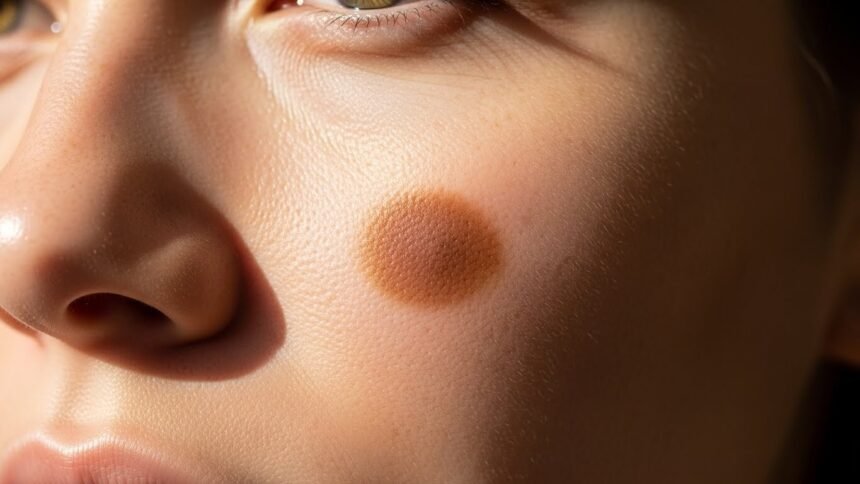
There is perhaps nothing more frustrating in a skincare journey than the lingering ghost of a past breakout or the sudden appearance of sun-induced discoloration. Whether you call them age spots, sun spots, or acne scars, hyperpigmentation is a universal concern that transcends skin type and age. While professional laser treatments and chemical peels offer rapid results, the technology behind dark spot correction at home has advanced significantly, allowing for professional-grade results from the comfort of your vanity.
Achieving an even complexion isn’t just about scrubbing away the surface; it requires a deep understanding of how melanin works and a commitment to a consistent routine. In this comprehensive guide, we will explore the science of hyperpigmentation, the most effective ingredients available over the counter, and the safety protocols necessary to restore your skin’s natural radiance.
Understanding the Enemy: What Causes Dark Spots?
Before diving into treatments, it is crucial to understand the biological mechanism behind discoloration. Dark spots are the result of an overproduction of melanin, the pigment responsible for skin, hair, and eye color. This process is often triggered by melanocytes (pigment-producing cells) going into overdrive due to inflammation or UV exposure.
The Three Main Culprits
- Sun Exposure (Solar Lentigines): The most common cause. UV rays stimulate melanocytes to protect the skin, resulting in “liver spots” or freckles over time. According to the American Academy of Dermatology, sun protection is the single most important factor in preventing these spots from darkening.
- Post-Inflammatory Hyperpigmentation (PIH): This occurs after an injury or inflammation, such as acne, eczema, or psoriasis. When the skin heals, it leaves behind a flat area of discoloration ranging from pink to black.
- Melasma: Often driven by hormonal changes (pregnancy, birth control pills) and exacerbated by heat and sun. Mayo Clinic notes that melasma often appears as symmetrical patchy brown marks on the face.
The Science of Correction: Key Ingredients
Effective dark spot correction at home relies on a multi-pronged approach: exfoliation (removing surface pigment), inhibition (stopping new pigment production), and protection (preventing UV triggers).
1. Vitamin C (Ascorbic Acid)
Vitamin C is the gold standard for brightening. It acts as a potent antioxidant that neutralizes free radicals and inhibits the enzyme tyrosinase, which is essential for melanin production. Harvard Health Publishing highlights that consistent use of topical Vitamin C can prevent premature aging and lighten pigmentation.
2. Retinoids and Retinol
Derivatives of Vitamin A, retinoids accelerate cell turnover. By speeding up the rate at which skin cells divide and die, they push pigmented cells to the surface to be sloughed off faster. While prescription retinoids (like Tretinoin) are stronger, over-the-counter retinol is effective for gradual correction.
3. Chemical Exfoliants (AHAs and BHAs)
Alpha Hydroxy Acids (AHAs), such as glycolic and lactic acid, dissolve the bonds holding dead skin cells together. This reveals fresher skin underneath and helps fade surface spots.
4. Niacinamide (Vitamin B3)
Unlike acids that exfoliate, Niacinamide prevents the transfer of melanin from melanocytes to the surrounding skin cells (keratinocytes). It is generally well-tolerated by sensitive skin types.
Comparative Analysis of Brightening Agents
Choosing the right product depends on your skin tolerance and the type of spot you are treating. Below is a comparison of the most popular at-home correcting agents.
| Ingredient | Primary Mechanism | Ideal For | Typical Time to Visible Results | Sensitivity Level |
|---|---|---|---|---|
| Vitamin C | Tyrosinase Inhibition & Antioxidant | Sun spots, general dullness | 4–8 Weeks | Low to Medium |
| Retinol | Cell Turnover Acceleration | Melasma, age spots, texture | 12+ Weeks | High |
| Glycolic Acid | Surface Exfoliation | PIH (Acne scars), surface spots | 2–4 Weeks | Medium |
| Tranexamic Acid | Anti-inflammatory & Melanin Inhibition | Stubborn Melasma, PIH | 8–12 Weeks | Low |
| Hydroquinone (2%) | Strong Tyrosinase Inhibition | Severe hyperpigmentation | 4–8 Weeks | High (Use with caution) |

Building Your At-Home Routine
To successfully engage in dark spot correction at home, layering products correctly is vital. Mixing too many actives can damage the moisture barrier, leading to more inflammation and, ironically, more hyperpigmentation.
Morning Routine: Protect and Prevent
- Cleanser: Gentle, hydrating cleanser.
- Treatment: Vitamin C Serum (10-20% concentration).
- Moisturizer: Lightweight hydration.
- SPF: This is non-negotiable. As the Skin Cancer Foundation states, regular daily use of SPF 15 or higher sunscreen reduces the risk of developing squamous cell carcinoma by about 40% and melanoma by 50%, while also preventing dark spots from worsening.
Evening Routine: Repair and Correct
- Cleanser: Double cleanse if wearing makeup.
- Exfoliation or Treatment: Alternate nights between a Retinol and a Chemical Exfoliant (like Glycolic Acid). Do not use them simultaneously.
- Spot Treatment: For specific stubborn marks, use a targeted serum containing Tranexamic acid or Kojic acid.
- Moisturizer: Rich cream to repair the barrier.
Natural Remedies: Do They Work?
While clinical formulations usually offer faster results, some natural ingredients show promise in supporting skin tone evenly.
- Turmeric: Contains curcumin, which has anti-inflammatory and antioxidant properties.
- Aloe Vera: Contains aloin, a natural depigmenting compound. NCBI studies suggest it works as a nontoxic hyperpigmentation treatment.
- Licorice Root Extract: A natural alternative to hydroquinone that is gentler on the skin.
Caution: Avoid using undiluted lemon juice or apple cider vinegar directly on the face. These can disrupt the skin’s pH balance, causing chemical burns that may worsen pigmentation.
Lifestyle Factors for an Even Complexion
Topical treatments can only do so much if internal factors are neglected.
Diet and Hydration
Consuming foods rich in antioxidants helps the skin fight UV damage from the inside out. Medical News Today suggests that a diet high in Omega-3 fatty acids and Vitamin E can support skin health and reduce inflammation.
Avoiding Heat
Surprisingly, heat alone (infrared radiation) can trigger melasma even without sun exposure. Saunas, hot yoga, and standing over a hot stove can exacerbate the condition in prone individuals.
Safety First: Preventing The “Rebound Effect”
One of the biggest mistakes in dark spot correction at home is over-enthusiasm. Scrubbing the skin too hard or using high-concentration acids daily can destroy the skin barrier. When the barrier is compromised, the skin becomes inflamed and may produce more melanin as a defense mechanism.
If you experience stinging, persistent redness, or peeling, stop all active treatments and focus on hydration until the skin recovers.
When to See a Professional
If you have been diligent with your at-home routine for six months with no visible improvement, it may be time to consult a dermatologist. Furthermore, any dark spot that changes in size, shape, or color, or that bleeds, should be checked immediately to rule out skin cancer. Organizations like the American Society of Plastic Surgeons note that deeper chemical peels or laser resurfacing performed by professionals can reach pigment located deeper in the dermis that topical creams cannot reach.
Conclusion
Fading hyperpigmentation is a marathon, not a sprint. Effective dark spot correction at home requires a blend of patience, the right active ingredients, and unwavering sun protection. By understanding the science of ingredients like Vitamin C, Retinol, and AHAs, and respecting your skin’s tolerance, you can safely reveal a brighter, more even complexion.
Don’t let dark spots dictate your confidence. Start your journey today with a good sunscreen and a targeted serum, and watch your skin transform.
Disclaimer: This article is for informational purposes only and does not constitute medical advice. Always perform a patch test before trying new skincare products and consult a dermatologist for persistent skin issues.