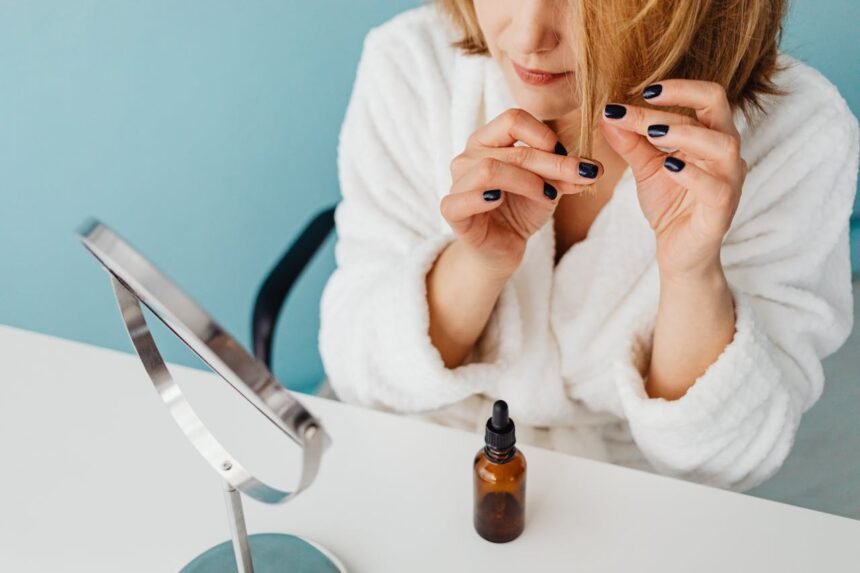
In the fast-paced world of modern beauty, where chemical treatments and high-tech tools often dominate the conversation, there is a profound resurgence of interest in age-old traditions. Among these, the practice of hair oiling stands out as a timeless ritual. Rooted deeply in Ayurvedic medicine, a holistic healing system from India, hair oiling has been passed down through generations as a secret to lustrous, resilient locks.
However, this is no longer just a cultural anecdote. Modern trichology and dermatology are beginning to validate what our ancestors knew instinctively: applying natural oils to the scalp and strands can significantly improve hair health. Whether you are battling thinning edges, breakage, or a dry scalp, understanding the benefits of hair oiling for hair growth can be transformative for your beauty routine.
The Science of the Scalp: Why Oiling Works
To appreciate why oiling is effective, one must first understand the environment in which hair grows. The scalp is a complex ecosystem involving hair follicles, sebaceous glands, and skin cells. The American Academy of Dermatology notes that hair growth originates in the follicle, which relies on blood flow to receive oxygen and nutrients.
1. Enhancing Blood Circulation
The primary mechanism through which oiling promotes growth is not just the oil itself, but the application method. Massaging the scalp increases local blood circulation. This surge of blood flow delivers essential nutrients to the hair follicles, potentially extending the anagen (growth) phase of the hair cycle. According to the Cleveland Clinic, scalp massage can also help dilate blood vessels beneath the skin, encouraging thicker hair growth.
2. Sebum Regulation and Scalp Health
Ideally, our scalps produce a natural oil called sebum. However, environmental stressors, harsh shampoos, and genetic factors can disrupt this balance. Essential fatty acids found in carrier oils can mimic sebum, providing necessary hydration without clogging pores—provided the right oil is chosen. A balanced scalp environment is crucial for preventing conditions like dandruff, which can indirectly lead to hair fall.
Deep Dive: The Core Benefits of Hair Oiling for Hair Growth
When performed correctly, the practice offers a multi-faceted approach to hair restoration. Here are the specific advantages:
- Prevention of Hygral Fatigue: When hair gets wet, the shaft swells; as it dries, it contracts. This constant expansion and contraction is known as hygral fatigue, which weakens the hair structure. Oils, particularly those with high penetrative abilities like coconut oil, are hydrophobic. They prevent the hair from absorbing too much water, thereby reducing structural damage.
- Lipid Barrier Restoration: The outer layer of the hair, the cuticle, is protected by a lipid layer. UV rays and heat styling strip this layer away. Oiling replenishes these lipids, smoothing the cuticle and adding shine.
- Microbiome Balance: Certain oils possess antimicrobial and antifungal properties. For instance, maintaining a healthy microbiome is essential to prevent seborrheic dermatitis, a common cause of flaking and hair thinning.
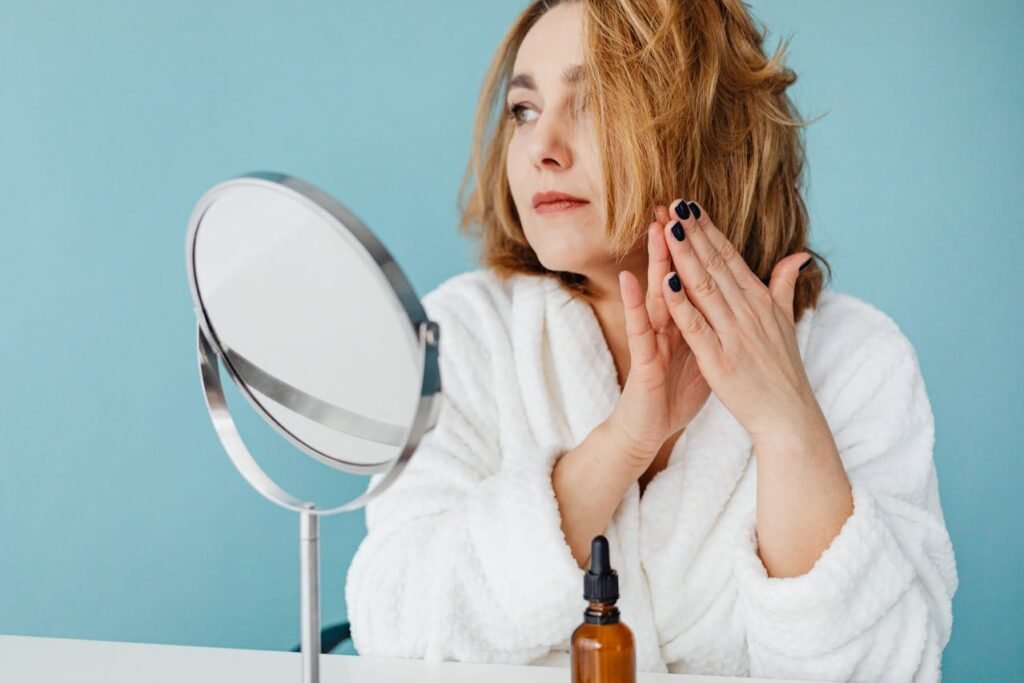
Choosing Your Elixir: A Guide to Oils
Not all oils are created equal. The molecular weight and nutrient profile of an oil determine whether it will penetrate the hair shaft or simply coat it. Selecting the wrong oil for your hair porosity can lead to buildup rather than growth.
Comparative Analysis of Popular Hair Oils
The following table breaks down the most effective oils based on hair type and specific benefits:
| Oil Type | Best For | Key Nutrients | Penetration Level | Scientific Note |
|---|---|---|---|---|
| Coconut Oil | High porosity, damaged hair | Lauric Acid | High (Penetrating) | Proven to reduce protein loss in both undamaged and damaged hair. |
| Rosemary Oil | Thinning hair, alopecia | Carnosic Acid | Moderate (Essential Oil*) | A 2015 study compared it favorably to Minoxidil 2% for hair regrowth. |
| Argan Oil | Dry, frizzy, dull hair | Vitamin E, Fatty Acids | Low (Sealing) | Known as “liquid gold,” it seals the cuticle for shine. |
| Jojoba Oil | Oily scalp, dandruff | Wax Esters | Moderate | Chemically similar to human sebum, making it excellent for balancing oil production. |
| Castor Oil | Thin edges, brittle hair | Ricinoleic Acid | Low (Heavy Sealing) | Highly viscous; creates a protective barrier against friction. |
Note: Rosemary oil is an essential oil and must be diluted in a carrier oil (like Jojoba or Coconut) before application to prevent irritation.
The Ritual: How to Oil Your Hair for Maximum Growth
To truly reap the benefits of hair oiling for hair growth, technique is paramount. Slapping oil onto dirty hair may do more harm than good.
Step 1: Preparation
Start with dry or slightly damp hair. Ideally, warm the oil slightly (do not boil it) to help it penetrate the hair shaft and soothe the scalp. The heat also helps to open the cuticles slightly.
Step 2: The Application
Section your hair to ensure even distribution. Apply the oil directly to the scalp using your fingertips or a cotton pad. Focus on areas where thinning is most apparent.
Step 3: The Massage
This is the most critical step for growth. Using the pads of your fingers (never the fingernails), massage the oil into your scalp using circular motions. Apply medium pressure. Do this for 5 to 10 minutes. This mechanical stimulation is backed by research from sources like Healthline as a viable method for thickening hair.
Step 4: The Lengths
Once the scalp is covered, take the remaining oil and run it through the mid-lengths and ends of your hair. This addresses split ends and breakage.
Step 5: Marination and Removal
Leave the oil on for at least 30 minutes, or overnight for deep conditioning. To remove, you may need to shampoo twice. The first wash breaks down the oil, and the second cleanses the scalp. Follow with a conditioner.
Dispelling Myths: What Oiling Can and Cannot Do
Despite the clear benefits, misinformation abounds.
- Myth: Oiling cures baldness instantly.
- Fact: While oils like rosemary can stimulate growth, they cannot resurrect dead follicles. They work best for revitalizing dormant follicles or thickening existing hair.
- Myth: You should keep oil on for days.
- Fact: Leaving oil on for too long can attract dust and trap dirt, leading to follicle clogging. According to WebMD, it is crucial to wash the oil out to maintain scalp hygiene.
- Myth: Oiling causes dandruff.
- Fact: Oiling actually treats dry-scalp dandruff. However, if you have Malassezia yeast-induced dandruff (seborrheic dermatitis), certain oils like olive oil might feed the yeast. In such cases, mineral oil or MCT oil is often recommended by dermatologists.
Safety and Sustainability
When purchasing hair oils, quality matters. Look for cold-pressed, organic oils. Heat extraction can degrade the nutrient profile of the oil. Furthermore, be aware of sustainability issues; for example, the production of palm oil is often linked to deforestation, so conscious consumers may opt for Argan or Jojoba alternatives.
Always perform a patch test before applying a new oil to your entire scalp, especially when using potent essential oils like peppermint or rosemary, to rule out allergic contact dermatitis.
Conclusion
The benefits of hair oiling for hair growth are a convergence of ancient wisdom and modern biological science. It is not a miracle cure that works overnight, but rather a discipline. By improving blood circulation, preventing protein loss, and maintaining the lipid barrier, hair oiling creates the optimal foundation for hair to thrive.
Whether you choose the penetrating power of coconut oil or the stimulating effects of rosemary, the key lies in consistency and proper technique. Treat your scalp with the same care you treat your face, and your hair will thank you with strength, shine, and volume.
Are you ready to incorporate this liquid gold into your routine? We’d love to hear about your favorite oils and results. Share your journey in the comments below or subscribe to our newsletter for more science-backed beauty insights.