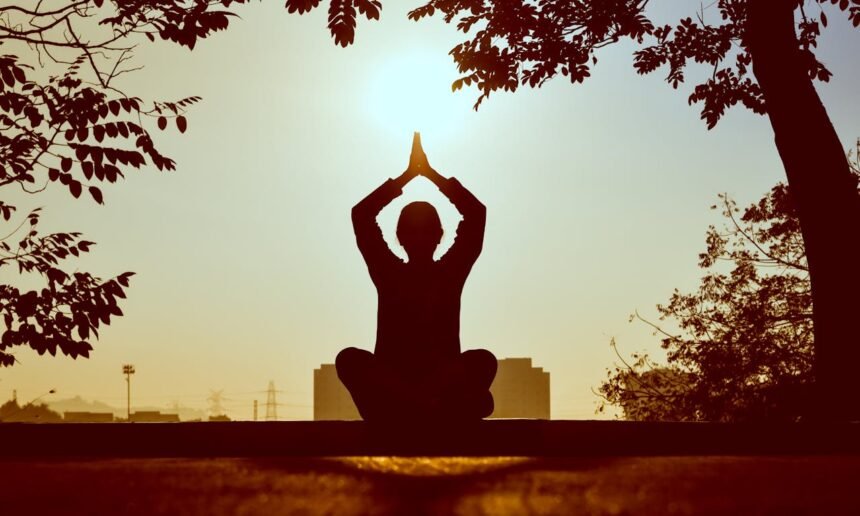
In our hyper-connected, always-on society, stress has evolved from an occasional survival mechanism into a chronic companion for millions. While modern medicine offers various interventions, many individuals are seeking a return to simplicity. They are looking for natural stress relief techniques that harmonize with the body’s innate ability to heal and regulate itself. Burnout is no longer just a buzzword; it is an occupational phenomenon recognized by the World Health Organization (WHO), characterized by feelings of energy depletion, increased mental distance from one’s job, and reduced professional efficacy.
Beating burnout doesn’t always require a sabbatical or a complete life overhaul. Often, the most potent remedies are the ones that reconnect us with our physiology, nature, and the present moment. This comprehensive guide explores science-backed, holistic methods to lower cortisol, restore balance, and reclaim your mental well-being.
1. The Biology of Stress: Understanding the Mechanism
To effectively manage stress, one must first understand the physiology behind it. When you perceive a threat—whether it’s a tiger or an overflowing inbox—your hypothalamus sets off an alarm system in your body. This signals your adrenal glands to release a surge of hormones, including adrenaline and cortisol.
According to the Mayo Clinic, the long-term activation of the stress-response system disrupts almost all your body’s processes. This increases the risk of numerous health problems, including anxiety, depression, digestive issues, and sleep impairment. Natural stress relief techniques aim to activate the parasympathetic nervous system—the “rest and digest” state—counteracting the “fight or flight” response.
2. Intentional Movement and Physical Exertion
Movement is perhaps the most immediate way to metabolize stress hormones. You do not need to run a marathon to reap the benefits; the goal is rhythmic, consistent movement.
Aerobic Exercise
Physical activity increases the production of your brain’s feel-good neurotransmitters, called endorphins. Harvard Health Publishing notes that aerobic exercise also reduces levels of the body’s stress hormones, such as adrenaline and cortisol. A brisk 30-minute walk can be enough to reset your mood.
Yoga and Tai Chi
These ancient practices combine physical postures, breathing exercises, and meditation. They are particularly effective because they demand focus, diverting attention away from racing thoughts and toward the body’s movements. Studies cited by the National Center for Complementary and Integrative Health suggest that yoga can improve quality of life, reduce stress, and lower heart rate and blood pressure.
3. Harnessing the Breath: The Anchor of Calm
Breathwork is the remote control for your nervous system. By consciously altering your breathing patterns, you can signal safety to your brain.
- Diaphragmatic Breathing: Also known as belly breathing, this encourages full oxygen exchange and slows the heartbeat.
- 4-7-8 Breathing: Inhale for 4 seconds, hold for 7, and exhale audibly for 8. This technique is often recommended for inducing sleep.
- Box Breathing: Used by Navy SEALs for focus, this involves inhaling, holding, exhaling, and holding again, all for equal counts of four.
4. Botanical Support: Adaptogens and Supplements
Nature provides a pharmacy of roots and herbs known as adaptogens—substances that help the body adapt to stress and exert a normalizing effect upon bodily processes. While you should always consult a healthcare provider before starting new supplements, the following have shown promise in clinical settings.
Comparative Analysis of Natural Stress-Relief Supplements
| Supplement | Primary Benefit | Mechanism of Action | Best For |
|---|---|---|---|
| Ashwagandha | Reduces cortisol levels | Modulates the HPA axis (hypothalamus-pituitary-adrenal) | Chronic stress & fatigue |
| Rhodiola Rosea | Enhances physical/mental stamina | Stimulates neurotransmitters (serotonin, dopamine) | Burnout & mental fog |
| Valerian Root | Promotes deep sleep | Increases GABA levels in the brain | Insomnia & restlessness |
| Lemon Balm | Calms nervousness | Inhibits GABA transaminase (keeping GABA available) | Mild anxiety & digestive upset |
| Magnesium | Muscle relaxation | Regulates neurotransmitters & melatonin | Physical tension & sleep |
Research from the National Institutes of Health suggests that herbs like Valerian may help reduce the time it takes to fall asleep, which is crucial for stress recovery.
5. Ecotherapy: The Healing Power of Nature
Ecotherapy, or nature therapy, posits that time spent in nature is not just leisure—it is essential medicine. The Japanese practice of Shinrin-yoku, or “forest bathing,” involves immersing oneself in a forest environment.
In a study published by the National Library of Medicine, participants who engaged in forest bathing showed significantly lower concentrations of cortisol, lower pulse rates, and lower blood pressure compared to those in city environments. Even if you cannot reach a forest, spending time in a local park or gardening can provide a necessary disconnect from technology and a reconnection to the earth.
6. Mindfulness-Based Stress Reduction (MBSR)
Mindfulness is the practice of anchoring your attention to the present moment without judgment. It creates a buffer between a stimulus and your reaction. The American Psychological Association highlights that mindfulness meditation can change the brain’s structure and function, specifically in areas related to memory, learning, and emotion regulation.
How to Start:
- Body Scan: Mentally scan your body from head to toe, noting tension and consciously releasing it.
- Mindful Eating: Eat slowly, savoring the texture and flavor of food without the distraction of screens.
- Guided Apps: Utilize technology for good by using apps like Headspace or Calm to learn the basics.
7. The Role of Social Connection and Laughter
Isolation fuels burnout. Humans are wired for connection. Positive social interactions release oxytocin, a hormone that promotes bonding and reduces stress levels. Furthermore, laughter is a potent stress buster.
According to Psychology Today, social connectivity is a survival mechanism that reduces the neural processing of threat. Simply put: problems feel smaller when shared with a friend. Prioritize face-to-face interactions over digital communication whenever possible.
8. Expressive Writing and Journaling
Getting thoughts out of your head and onto paper can be cathartic. Expressive writing allows you to organize complex emotions and identify stress triggers. The University of Rochester Medical Center advises that journaling helps control your symptoms and improve your mood by helping you prioritize problems, fears, and concerns.
Try this technique: Every morning, write three “Morning Pages” of stream-of-consciousness thought. Do not edit or censor. This clears the mental clutter before the day begins.
9. Prioritizing Sleep Hygiene
Sleep and stress have a bidirectional relationship: stress causes insomnia, and insomnia increases stress. Breaking this cycle requires rigorous sleep hygiene.
- Cool the Room: Keep your bedroom temperature between 60-67 degrees Fahrenheit.
- Digital Detox: Blue light from screens suppresses melatonin. The Sleep Foundation recommends turning off electronics at least one hour before bed.
- Consistency: Go to bed and wake up at the same time every day to regulate your circadian rhythm.
Conclusion: Reclaiming Your Peace
Combating burnout is not a passive process; it requires the active integration of natural stress relief techniques into your daily routine. By understanding your biology, moving your body, utilizing the power of plants, and reconnecting with nature and loved ones, you can build resilience against the pressures of modern life.
Remember, stress is inevitable, but burnout is not. Start small—perhaps with a 5-minute breathing exercise or a walk during your lunch break. Your body has the innate wisdom to heal; you simply need to give it the environment to do so.
Are you ready to prioritize your well-being? Choose one technique from this list and implement it today. Share your experience in the comments below or share this article with a friend who needs a mental break.