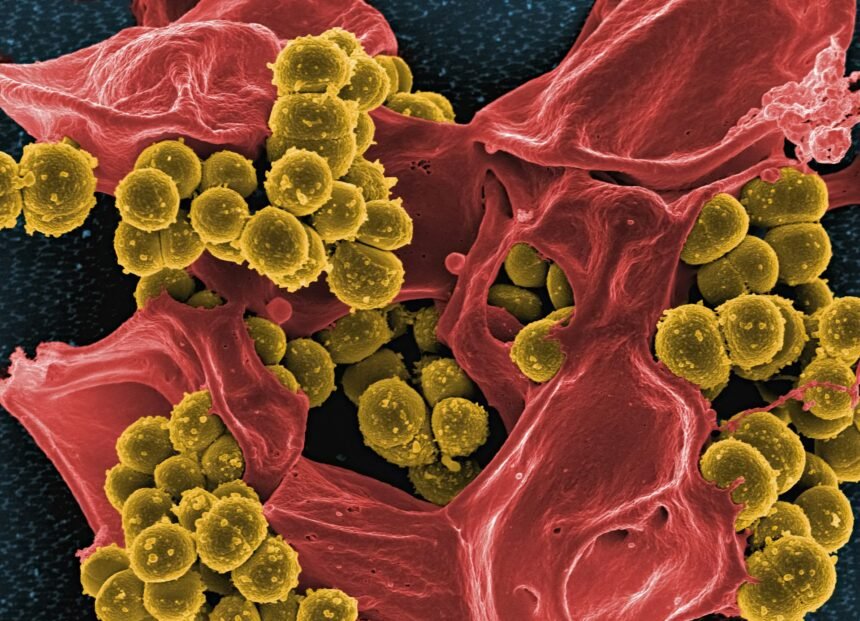
In recent years, the medical community has turned its gaze inward—specifically, to the complex ecosystem residing within our digestive tracts. Often referred to as the “second brain,” the gut microbiome plays a pivotal role in everything from digestion and immunity to mental health. However, navigating the aisles of a health food store or browsing medical advice online can be overwhelming. Terms like “CFUs,” “strains,” and “fermentation” are tossed around frequently, leaving many confused.
This article serves as your comprehensive probiotics prebiotics beginner guide, designed to demystify these terms and help you make informed decisions about your digestive health.
The Microscopic Universe Within: The Gut Microbiome
Before diving into supplements and superfoods, it is essential to understand the environment we are trying to improve. The human body is host to trillions of microorganisms, including bacteria, viruses, and fungi. Collectively, these are known as the microbiome.
According to the National Institutes of Health (NIH), the microbiome is integral to human physiology. While some bacteria are associated with disease, the vast majority are symbiotic, meaning they live in harmony with us and are crucial for our survival. They help break down food, synthesize vitamins (like Vitamin K and B12), and act as a barrier against harmful pathogens.
When this ecosystem is balanced, we thrive. When it is disrupted—a state known as dysbiosis—we may experience digestive issues, skin conditions, and even mood fluctuations. This is where probiotics and prebiotics come into play.
What Are Probiotics? (The Good Soldiers)
Probiotics are live microorganisms that, when administered in adequate amounts, confer a health benefit on the host. Think of them as the “good soldiers” that you send in to reinforce your gut’s existing population.
How They Work
Probiotics function through several mechanisms:
- Competitive Exclusion: They crowd out bad bacteria, leaving them with fewer resources to grow.
- Barrier Reinforcement: They strengthen the intestinal wall, preventing “leaky gut.”
- Immune Modulation: They communicate with immune cells to regulate inflammation.
Common Strains to Know
Not all probiotics are the same. Different strains have different functions. As noted by the Mayo Clinic, the most common groups include:
- Lactobacillus: Perhaps the most famous group, often found in yogurt and fermented foods. They are helpful for diarrhea and may help with lactose digestion.
- Bifidobacterium: Commonly found in some dairy products, these are known for easing the symptoms of Irritable Bowel Syndrome (IBS) and other conditions.
- Saccharomyces boulardii: This is actually a yeast, not a bacterium, and is frequently used to combat digestive issues caused by antibiotics.
What Are Prebiotics? (The Fuel)
If probiotics are the soldiers, prebiotics are the supply lines that feed them. Prebiotics are types of dietary fiber that the human body cannot digest. Instead, they travel to the lower digestive tract, where they act as food for the beneficial bacteria.
According to the Cleveland Clinic, prebiotics are just as essential as probiotics. Without this fuel, the beneficial bacteria cannot survive or reproduce effectively. When bacteria ferment prebiotic fibers, they produce Short-Chain Fatty Acids (SCFAs) like butyrate, which provide energy to the cells lining your colon and possess strong anti-inflammatory properties.
The Synergistic Effect: Synbiotics
When you combine a probiotic with a prebiotic, you get a synbiotic. The idea is to deliver the live bacteria along with the specific food they need to survive the journey through the stomach acid and thrive in the intestines. Many modern supplements are formulated as synbiotics to ensure higher efficacy.
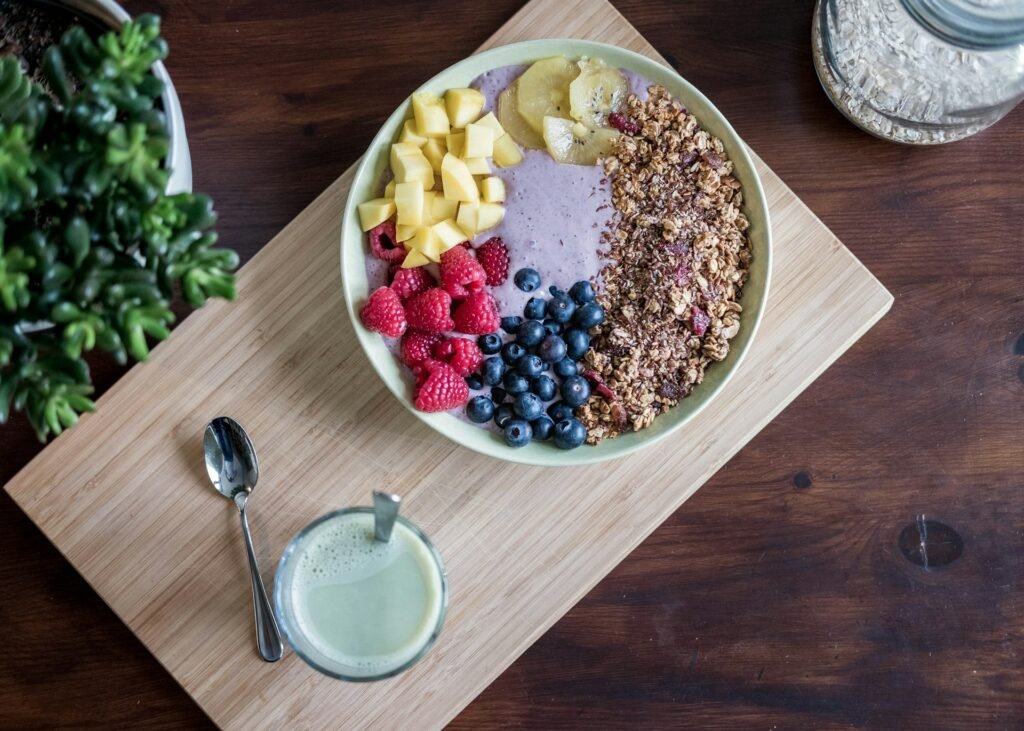
Nutritional Showdown: Food Sources Comparison
While supplements are popular, obtaining these nutrients from whole foods is often the best approach for a beginner. The table below outlines high-quality sources for both categories.
| Nutrient Type | Food Source | Key Active Component | Primary Health Benefit |
|---|---|---|---|
| Probiotic | Yogurt (with live cultures) | Lactobacillus bulgaricus | Improves lactose digestion and general gut balance. |
| Probiotic | Kefir | Lactobacillus kefiri | More potent than yogurt; contains diverse bacterial and yeast strains. |
| Probiotic | Sauerkraut (Unpasteurized) | Leuconostoc mesenteroides | High in Vitamin C and digestive enzymes; aids in absorption. |
| Probiotic | Miso | Aspergillus oryzae | Fermented soy paste that supports digestion and adds umami flavor. |
| Prebiotic | Chicory Root | Inulin | One of the highest sources of fiber; heavily feeds gut bacteria. |
| Prebiotic | Dandelion Greens | Fiber & Antioxidants | Increases Lactobacillus and Bifidobacterium populations. |
| Prebiotic | Garlic | Fructooligosaccharides (FOS) | Promoting the growth of beneficial Bifidobacteria and preventing disease-promoting bacteria. |
| Prebiotic | Bananas (slightly green) | Resistant Starch | Resistant starch acts like soluble fiber to feed the gut. |
Health Benefits Backed by Science
The benefits of maintaining a healthy microbiome extend far beyond avoiding an upset stomach. Research from the International Scientific Association for Probiotics and Prebiotics (ISAPP) highlights several key areas of impact.
1. The Gut-Brain Axis
Have you ever felt “butterflies” in your stomach when nervous? That is the gut-brain axis at work. The gut is linked to the brain through the vagus nerve. Emerging studies suggest that a healthy microbiome can help regulate mood and anxiety. Johns Hopkins Medicine reports that irritation in the gastrointestinal system may send signals to the Central Nervous System (CNS) that trigger mood changes.
2. Enhanced Immunity
A significant portion of the human immune system resides in the gut. Beneficial bacteria educate immune cells, preventing them from overreacting to harmless entities (allergies) while keeping them primed to fight actual threats. The Centers for Disease Control and Prevention (CDC) notes the importance of gut health in overall disease prevention.
3. Metabolic Health
Certain gut bacteria are involved in how we store fat and regulate blood sugar. An imbalance in gut flora has been linked to obesity and Type 2 diabetes. Correcting this balance with prebiotics can improve insulin sensitivity.
Choosing the Right Approach: Supplements vs. Food
For a probiotics prebiotics beginner guide, the most common question is: “Should I take a pill?”
The Food-First Approach
Most nutritionists advocate for a “food-first” approach. Fermented foods like kimchi, sauerkraut, and yogurt provide a complex matrix of nutrients that supplements cannot replicate. Furthermore, eating a diverse diet rich in plants naturally increases prebiotic intake.
When to Supplement
However, supplements are necessary in certain cases, such as:
- Following a course of antibiotics (which wipe out good bacteria along with the bad).
- Managing specific conditions like IBS or Inflammatory Bowel Disease (IBD).
- Traveler’s diarrhea prevention.
If you choose supplements, look for Colony Forming Units (CFUs). A general recommendation is between 1 billion and 10 billion CFUs daily for healthy adults, though therapeutic doses can be higher. Always check for third-party testing to ensure the product actually contains live organisms. The FDA regulates dietary supplements differently than drugs, so quality control varies between brands.
Common Myths vs. Facts
Myth: “All bacteria are germs that make you sick.” Fact: The vast majority of bacteria in your body are harmless or beneficial. Only a small percentage are pathogenic.
Myth: “You should take probiotics every day forever.” Fact: While safe for most, some people may only need them periodically to restore balance. It is best to consult the American Gastroenterological Association guidelines or a gastroenterologist.
Myth: “Probiotics work instantly.” Fact: It can take weeks of consistent intake to change the microbiome composition significantly.
Conclusion: Start Small for Big Changes
Decoding your gut health doesn’t require a PhD in biology. It starts with the simple understanding that you are feeding not just yourself, but trillions of tiny guests that keep you healthy. By incorporating probiotic-rich fermented foods and prebiotic fibers into your diet, you can support your digestion, immunity, and mental well-being.
Take Action Today:
- Add one fermented food to your lunch this week (a side of sauerkraut or a cup of yogurt).
- Increase fiber intake by swapping processed snacks for an apple or a banana.
- Consult a professional if you have persistent digestive issues before starting high-dose supplements.
Your gut is the foundation of your health—treat it well, and it will return the favor.
Disclaimer: This content is for informational purposes only and does not constitute medical advice. Always consult with a healthcare provider regarding any medical condition or treatment.