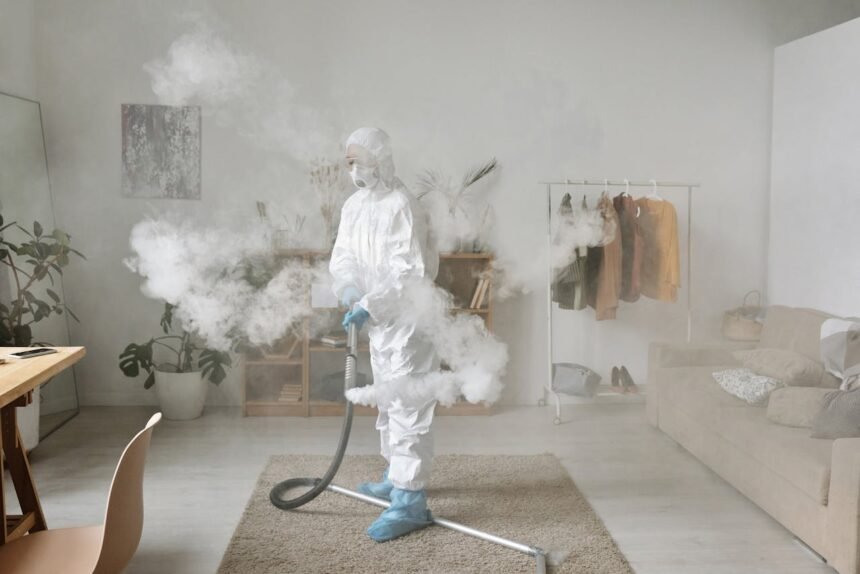
We often think of our homes as our sanctuaries—safe havens where we retreat from the chaos, noise, and pollution of the outside world. We lock our doors to keep intruders out, but we rarely consider the invisible intruders already trapped inside with us. The reality is that for many modern families, the most significant environmental threat to their health isn’t the smog outside; it is the indoor air quality risks home environments harbor.
Considering that the average person spends approximately 90% of their time indoors, the quality of the air we breathe in our living rooms, bedrooms, and kitchens is paramount to our overall well-being. This article delves deep into the sources of indoor pollution, the health implications, and the evidence-based strategies you can employ to breathe easier.
The Invisible Crisis: Why Indoor Air is Often Worse
The concept that indoor air could be more dangerous than outdoor air seems counterintuitive, especially for those living in busy cities. However, the Environmental Protection Agency (EPA) states that levels of indoor air pollutants are often 2 to 5 times higher than outdoor levels, and in some cases, these levels can exceed 100 times that of outdoor concentrations.
This concentration effect occurs because modern homes are built to be energy-efficient. While high-quality insulation and tight seals are excellent for reducing energy bills, they also trap pollutants inside, preventing them from diluting with fresh outdoor air. This phenomenon can lead to what experts call “Sick Building Syndrome,” where occupants experience acute health effects linked to time spent in a building.
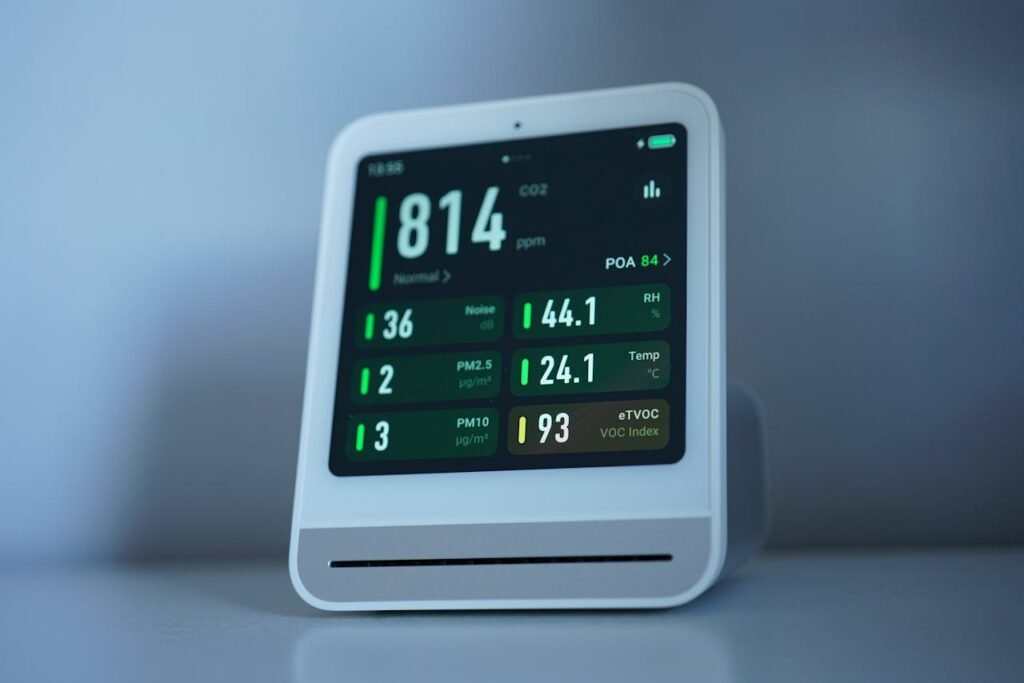
The Chemical Soup: Volatile Organic Compounds (VOCs)
One of the most pervasive categories of indoor pollutants is Volatile Organic Compounds, or VOCs. These are carbon-containing chemicals that emit gases at room temperature.
Furniture and Building Materials
Many homeowners are unaware that their new sofa or freshly painted walls are off-gassing chemicals. Products made from pressed wood (like particleboard) often contain formaldehyde, a known carcinogen. According to the American Lung Association, breathing in VOCs can irritate the eyes, nose, and throat, cause nausea, and can even damage the liver, kidney, and central nervous system.
The Cleaning Paradox
We clean our homes to make them healthier, but many conventional cleaning products introduce harmful chemicals into the air. Aerosol sprays, air fresheners, and bleach-based cleaners release substantial amounts of VOCs. A clean home should smell like nothing, not like a “sea breeze” or “pine forest” created by synthetic phthalates.
The Combustion Connection: Cooking and Heating
Perhaps the most surprising source of poor air quality comes from the heart of the home: the kitchen.
Gas Stoves and Nitrogen Dioxide
Recent scrutiny has fallen on gas stoves. When natural gas burns, it releases nitrogen dioxide (NO2), carbon monoxide (CO), and formaldehyde. A growing body of research suggests a strong link between gas stove usage and respiratory issues. In fact, studies aggregated by Harvard Health Publishing indicate that children living in homes with gas stoves have a higher risk of developing asthma.
Candles and Fireplaces
While they create a cozy ambiance, burning wood or paraffin wax candles releases fine particulate matter (PM2.5). These microscopic particles are small enough to bypass the body’s defense mechanisms and enter the bloodstream. The World Health Organization (WHO) identifies household air pollution from combustion as a major global health risk, contributing to millions of premature deaths annually.
Biological Contaminants: The Living Pollutants
It isn’t just chemicals that degrade air quality; biological agents thrive in our homes as well.
- Mold and Mildew: Damp basements and bathrooms are breeding grounds for mold. Mold spores are potent allergens and irritants.
- Pet Dander: Even if you aren’t allergic to animals, dander can accumulate and carry other allergens.
- Dust Mites: These microscopic creatures feed on dead skin cells and thrive in bedding and carpets.
The Centers for Disease Control and Prevention (CDC) warns that exposure to damp and moldy environments may cause a variety of health effects, or none at all. Some people are sensitive to molds. For these people, exposure to molds can lead to symptoms such as stuffy nose, wheezing, and red or itchy eyes, or skin.
Analyzing the Risks: Pollutant Sources vs. Health Impacts
To better understand the specific indoor air quality risks home owners face, the table below categorizes common pollutants and their potential health outcomes.
| Pollutant Source | Primary Contaminants | Short-Term Health Effects | Long-Term Health Risks |
|---|---|---|---|
| Gas Stoves | Nitrogen Dioxide ($NO_2$), Carbon Monoxide ($CO$) | Headaches, dizziness, eye irritation | Respiratory infections, childhood asthma, reduced lung function |
| Pressed Wood Furniture | Formaldehyde, VOCs | Nausea, skin rash, nose/throat irritation | Cancer (nasopharyngeal), kidney damage, CNS damage |
| Damp Areas/Leaks | Mold Spores, Bacteria | Sneezing, coughing, allergic reactions | Development of asthma, hypersensitivity pneumonitis |
| Candles/Incense | PM2.5, Polycyclic Aromatic Hydrocarbons | Coughing, airway irritation | Cardiovascular disease, exacerbated lung conditions |
| Cleaning Products | Ammonia, Chlorine, Phthalates | Dizziness, headaches, chemical burns (eyes/skin) | Hormonal disruption, chronic respiratory issues |
The Role of Humidity
Humidity plays a dual role in air quality. Too much moisture promotes mold growth and dust mite populations. Too little moisture can dry out mucous membranes, making you more susceptible to viruses.
The Mayo Clinic suggests maintaining home humidity levels between 30% and 50%. Using a hygrometer to monitor these levels is a low-cost way to manage biological risks.
Actionable Strategies to Improve Indoor Air
Improving your home’s air quality doesn’t necessarily require a full renovation. Here are effective, science-backed strategies.
1. Source Control
The most effective way to improve air quality is to eliminate the source of pollution.
- Switch to fragrance-free cleaning products.
- Avoid smoking indoors.
- Choose low-VOC paints and furniture.
- According to the Consumer Product Safety Commission (CPSC), source control is usually the most cost-effective approach to protecting indoor air quality.
2. Ventilation
Diluting indoor air with outdoor air is crucial. Open windows when weather permits, and importantly, use exhaust fans in the kitchen and bathroom. The Lawrence Berkeley National Laboratory emphasizes the importance of kitchen ventilation specifically to combat pollutants generated during cooking.
3. Air Purification
Invest in a high-quality air purifier equipped with a High Efficiency Particulate Air (HEPA) filter. HEPA filters are designed to capture 99.97% of particles that are 0.3 microns in size. Be wary of ozone-generating air cleaners; the California Air Resources Board warns that these devices can actually worsen indoor air quality by releasing ozone, a lung irritant.
4. Houseplants (With a Caveat)
While the famous NASA Clean Air Study demonstrated that plants can remove toxins, it was conducted in a sealed, small-space environment. In a real-world home, you would need a jungle-like density of plants to match the efficiency of a mechanical air purifier. However, they do contribute to mental well-being and slight air quality improvements.
Standards and Regulations
Unlike outdoor air, which is regulated by the Clean Air Act, indoor air in private homes is largely unregulated. However, organizations like ASHRAE (American Society of Heating, Refrigerating and Air-Conditioning Engineers) set standards for ventilation that building codes often adopt. Staying informed about these standards can help homeowners make better decisions during renovations or HVAC upgrades.
Conclusion: Breathing Easier
Your home should be the safest place on earth for your family. By recognizing the indoor air quality risks home environments present—from the gas stove in the kitchen to the particleboard dresser in the bedroom—you can take proactive steps to mitigate them.
It is not about living in a bubble, but about making informed choices. Swap out the harsh chemicals, ensure your ventilation is working, and keep the air moving. Your lungs, and your long-term health, will thank you.
Disclaimer: This article provides general information and is not a substitute for professional medical advice or industrial hygiene consultation. If you suspect severe air quality issues, consult a certified professional.