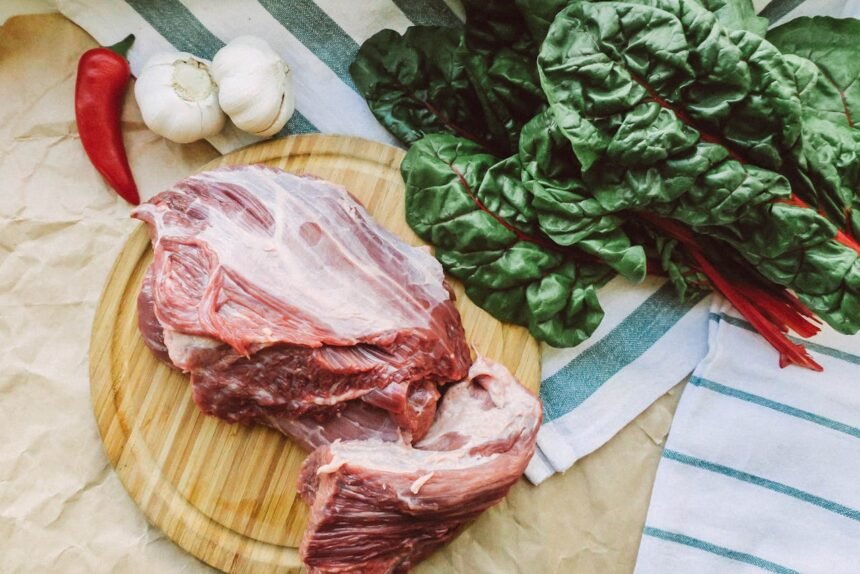
Swiss chard, a leafy green vegetable belonging to the Chenopodioideae subfamily, is often overshadowed by its popular cousins, kale and spinach. However, this vibrant vegetable—scientifically known as Beta vulgaris—is a nutritional titan in its own right. Characterized by its large, tender leaves and thick, crisp stalks that range in color from white to bright yellow and red, Swiss chard is as versatile in the kitchen as it is beneficial for the body.
Despite its name, the plant actually originated in the Mediterranean region rather than Switzerland, and it has been a staple in healthy diets for centuries due to its impressive density of vitamins, minerals, and phytonutrients.
In the modern wellness landscape, understanding the specific nutrient profile of vegetables is essential for optimizing health. Swiss chard stands out not just for its low caloric content, but for its incredibly high concentrations of Vitamin K, Vitamin A, and magnesium.
Whether you consume it raw in salads or sautéed as a side dish, incorporating this green into your diet can have profound effects on physiological function, ranging from improved blood clotting mechanisms to enhanced antioxidant defense. This article provides a comprehensive analysis of the vitamins, minerals, and caloric composition of Swiss chard, backed by scientific evidence.
Caloric Content and Macronutrients
One of the primary reasons Swiss chard is celebrated in weight management circles is its remarkably low caloric density. It allows for high-volume eating, which promotes satiety without contributing significantly to daily energy intake. According to the USDA FoodData Central, a one-cup serving of cooked Swiss chard (approximately 175 grams) contains only about 35 calories. This makes it an ideal food for those adhering to a calorie-restricted diet while still seeking maximum nutrient absorption.
Regarding macronutrients, Swiss chard is primarily composed of carbohydrates, specifically dietary fiber. A cooked cup provides approximately 4 grams of fiber, which is roughly 14% of the recommended daily intake (RDI). This fiber content supports a healthy digestive tract and aids in blood sugar regulation. Protein is also present, with about 3 grams per cooked cup. While this may seem modest compared to legumes or animal products, it is significant for a leafy green and contributes to the overall plant-based protein intake for vegetarians and vegans. The fat content is negligible, making it a heart-healthy choice that naturally fits into low-fat dietary protocols.
The carbohydrate profile of Swiss chard is complex. It contains very little sugar, making it a low-glycemic food. This is particularly beneficial for individuals managing insulin resistance or diabetes. By integrating low-calorie, high-fiber foods like chard, you can effectively manage energy balance. For a deeper dive into how macronutrients affect metabolism, read our guide on understanding macronutrients.
The Vitamin Spectrum: A, C, and K
Swiss chard is perhaps most famous for its extraordinary vitamin content. It is effectively a natural multivitamin supplement, particularly rich in fat-soluble vitamins and potent antioxidants.
Vitamin K: The Clotting and Bone Guardian
The most abundant nutrient in Swiss chard is Vitamin K1 (phylloquinone). A single cup of cooked Swiss chard provides a staggering amount—over 600% of the Daily Value (DV). Vitamin K is critical for the synthesis of proteins required for blood coagulation. Without adequate Vitamin K, the body simply cannot stop bleeding efficiently after an injury. Furthermore, this vitamin plays a pivotal role in bone metabolism. It modifies osteocalcin, a protein involved in bone formation, helping to bind calcium to the bone matrix. Research from the National Institutes of Health (NIH) suggests that adequate Vitamin K intake is associated with reduced risks of bone fractures. For more on this essential nutrient, explore our article on Vitamin K benefits.
Vitamin A: Vision and Immune Support
Swiss chard is also loaded with Vitamin A, primarily in the form of beta-carotene, which the body converts into active retinol. One cup of cooked chard delivers more than 100% of the RDI for Vitamin A. This nutrient is indispensable for maintaining healthy vision, particularly in low-light conditions, and for supporting the immune system. Beta-carotene acts as a powerful antioxidant, protecting cells from oxidative stress. Regular consumption of beta-carotene-rich foods is linked to a lower risk of certain cancers and age-related macular degeneration. You can learn more about how this works in our post about Vitamin A and eye health.
Vitamin C: The Antioxidant Powerhouse
While often associated with citrus fruits, Swiss chard is a substantial source of Vitamin C. This water-soluble vitamin is vital for collagen synthesis, which maintains the integrity of skin, blood vessels, and bones. Additionally, Vitamin C is a potent antioxidant that neutralizes free radicals, thereby reducing inflammation. A serving of Swiss chard contributes significantly to daily Vitamin C requirements, aiding in the body’s natural defense mechanisms against infections. To understand more about immune-boosting foods, check out our comprehensive superfoods list.

Mineral Density: Magnesium, Iron, and Potassium
Beyond vitamins, Swiss chard is a treasure trove of essential minerals. Modern diets are frequently deficient in these inorganic elements, which are crucial for enzymatic reactions and electrolyte balance.
Magnesium: The Metabolic Master
Magnesium deficiency is a widespread issue, yet Swiss chard is one of the best dietary sources available. One cup of cooked chard provides roughly 150 mg of magnesium, covering about a third of the daily requirement. Magnesium is involved in over 300 biochemical reactions in the body, including muscle and nerve function, blood glucose control, and blood pressure regulation. Studies listed on PubMed consistently show that higher magnesium intake correlates with a reduced risk of type 2 diabetes and heart disease. If you suffer from muscle cramps or fatigue, you might be interested in our article on signs of magnesium deficiency.
Iron: Energy and Oxygen Transport
Iron is essential for the formation of hemoglobin, the protein in red blood cells that carries oxygen throughout the body. Swiss chard contains non-heme iron. While non-heme iron is generally less absorbed than heme iron (found in meat), the high Vitamin C content in chard naturally enhances this absorption. This synergistic effect makes chard an excellent iron source for plant-based eaters. Including chard in your meals can help combat anemia and fatigue. Read more about maximizing mineral uptake in our guide on improving iron absorption.
Potassium: Regulating Blood Pressure
Potassium is an electrolyte that counteracts the effects of sodium, helping to lower blood pressure. Swiss chard boasts a high potassium content—even more than a banana per cooked cup. Adequate potassium intake is vital for cardiovascular health and stroke prevention. The American Heart Association emphasizes the importance of potassium-rich foods in maintaining healthy blood pressure levels. For further reading on cardiovascular nutrition, visit our post on foods for a healthy heart.
Antioxidants and Phytonutrients
The health benefits of Swiss chard extend beyond basic vitamins and minerals to include a diverse array of antioxidants. The leaves contain betalains, the same water-soluble plant pigments that give beets their reddish-purple hue. These pigments have been shown to possess strong anti-inflammatory and detoxification properties.
Swiss chard also contains flavonoids like quercetin and kaempferol. Quercetin is known for its ability to combat inflammation and improve cardiovascular health. The Centers for Disease Control and Prevention (CDC) notes that a diet rich in vegetables contributes to better management of chronic conditions, largely due to these phytonutrients. By reducing oxidative stress, the antioxidants in chard protect cellular DNA from damage. Learn more about how to fight inflammation via diet in our anti-inflammatory diet guide.
Comparison with Kale and Spinach
Is Swiss chard better than kale or spinach? The answer depends on your specific nutritional goals, though all three are incredibly healthy. While kale is often touted as the king of greens, Swiss chard actually rivals it in magnesium and iron content. Spinach is slightly higher in folate, but chard often contains more sodium naturally. However, chard is generally milder in flavor than kale, making it more palatable for many people.
When diversifying your leafy green intake, it is beneficial to rotate between chard, spinach, and kale to ensure a broad spectrum of nutrients. According to Harvard T.H. Chan School of Public Health, variety in vegetable consumption is key to gut health and longevity. You can find more comparisons in our article about choosing the best leafy greens.
Potential Downsides and Considerations
Despite its benefits, there are considerations for certain individuals. Swiss chard is high in oxalates, natural compounds that can bind to calcium and potentially contribute to kidney stones in susceptible individuals. If you have a history of calcium oxalate stones, medical professionals often advise moderating intake or cooking the greens, as boiling can reduce oxalate content. For more on digestive health and fiber, read fiber and digestion.
Additionally, because of its extremely high Vitamin K content, Swiss chard can interact with blood-thinning medications like Warfarin (Coumadin). Sudden increases in Vitamin K intake can decrease the medication’s effectiveness. The Cleveland Clinic advises that patients on blood thinners should maintain a consistent intake of Vitamin K rather than eliminating it or spiking consumption. Always consult a healthcare provider before making drastic dietary changes if you are on medication.
Preparation and Culinary Uses
Swiss chard is incredibly versatile. The stalks, which are often discarded, are edible and have a celery-like crunch. To preserve the most nutrients, steaming or sautéing is preferred over boiling, unless you are specifically trying to reduce oxalates. The FDA suggests that lightly cooking vegetables can sometimes make certain nutrients more bioavailable.
Try sautéing chard with olive oil and garlic to enhance the absorption of fat-soluble vitamins (A and K). You can also add it to soups, stews, or omelets. For those looking for meal planning ideas, our healthy meal prep guide offers great strategies for incorporating greens. Furthermore, the leaves can be used as a low-carb wrap substitute. For bone health specifically, pairing chard with other calcium-rich foods is a smart strategy, detailed in our bone strength tips.
The Takeaway
Swiss chard is a nutritional powerhouse that offers a low-calorie way to boost your intake of vital nutrients. Its exceptional levels of Vitamin K, Vitamin A, and magnesium make it a superior choice for supporting bone health, vision, and metabolic function. While those prone to kidney stones or on blood thinners should exercise caution, for the general population, it is an excellent addition to a balanced diet. By rotating Swiss chard with other greens and preparing it with healthy fats, you can maximize its health benefits and enjoy its delicious, earthy flavor. Incorporating this Mediterranean staple into your weekly routine is a simple, evidence-based step toward better long-term health.