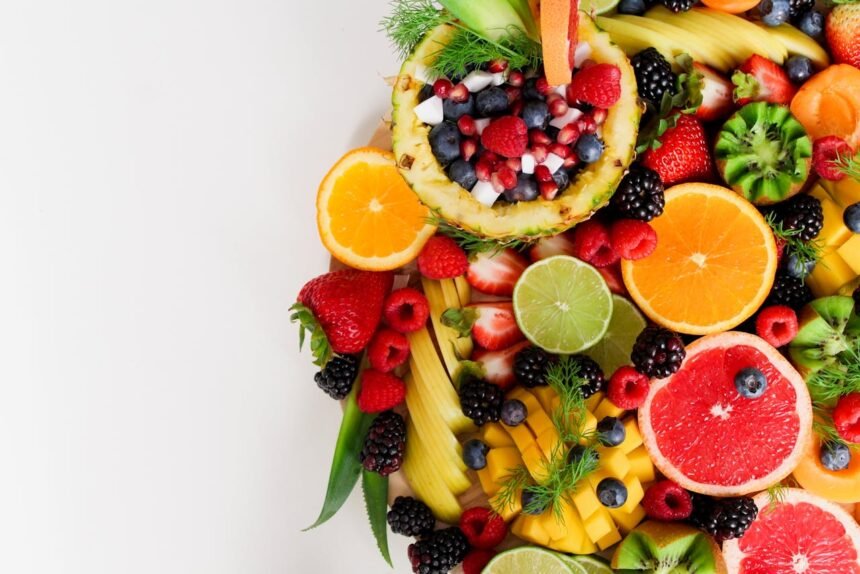
In an era where global health is a paramount concern, the concept of immunity has shifted from a biological footnote to a daily priority. The immune system is not merely a single entity; it is a complex, intricate network of cells, tissues, and organs working in concert to defend the body against pathogens. While genetics play a role, lifestyle factors—specifically diet—are the levers we can pull to optimize this defense system.
Boosting immunity through nutrition is not about finding a magic pill or a single superfood that solves every ailment. rather, it is about cultivating an internal environment where immune cells can thrive. By understanding the synergy between micronutrients, gut health, and inflammation, we can make informed dietary choices that serve as the bedrock of long-term wellness.
The Gut-Immune Axis: Where It All Begins
It is often said that you are what you eat, but more accurately, you are what you absorb. A staggering 70% of the immune system resides within the gastrointestinal tract. This biological reality highlights the critical importance of the gut microbiome—the vast ecosystem of bacteria living in your intestines.
When we discuss boosting immunity through nutrition, we must start with the gut. Beneficial bacteria act as gatekeepers, teaching the immune system to distinguish between friend and foe. A diet high in fiber, fruits, and vegetables feeds these good bacteria, promoting the production of short-chain fatty acids (SCFAs) that reduce inflammation and strengthen the gut barrier.
According to the National Institutes of Health (NIH), dysbiosis (an imbalance of gut bacteria) is linked to various autoimmune diseases and a weakened immune response. Therefore, the first step in fortification is incorporating probiotics (like yogurt, kefir, and sauerkraut) and prebiotics (like garlic, onions, and asparagus) into your daily regimen.
The Trinity of Immune Health: Vitamin C, Vitamin D, and Zinc
While a balanced diet is key, specific micronutrients have garnered scientific backing for their direct impact on immune function. Understanding these three pillars is essential for anyone looking to optimize their health.
1. Vitamin C: The Cellular Defender
Vitamin C is perhaps the most well-known immune booster. It is a potent antioxidant that protects cells from harmful free radicals—unstable molecules that damage cells and contribute to aging and disease. Furthermore, Vitamin C stimulates the production and function of white blood cells, which are the soldiers of the immune system.
Contrary to popular belief, megadosing Vitamin C supplements is often less effective than obtaining it through whole foods due to absorption limits. The Mayo Clinic emphasizes that getting this vitamin from sources like citrus fruits, bell peppers, strawberries, and broccoli ensures you also ingest necessary co-factors and fiber.
2. Vitamin D: The Immunomodulator
Vitamin D is unique because it functions more like a hormone than a vitamin. Receptors for Vitamin D are found on the surfaces of most immune cells. It helps modulate the immune response, preventing the system from overreacting (which causes inflammation) while ramping up defenses against infection.
Deficiency in Vitamin D is a global issue, particularly in northern climates. Research from the Harvard T.H. Chan School of Public Health suggests that adequate Vitamin D levels are crucial for reducing the risk of respiratory infections. While sunlight is the best source, fatty fish, fortified foods, and supplements are often necessary to maintain optimal levels.
3. Zinc: The Gatekeeper of Communication
Zinc is a trace mineral essential for the development and communication of immune cells. It plays a role in the inflammatory response and helps maintain tissue integrity. The Office of Dietary Supplements (ODS) notes that even mild zinc deficiency can impair immune function, making the body more susceptible to pathogens.
Comparative Analysis of Immune-Boosting Sources
To help you visualize how to integrate these nutrients, the table below compares common food sources based on their nutrient density and bioavailability.
| Nutrient | Primary Function | Top Food Sources | RDA (Adults) | Bioavailability Tip |
|---|---|---|---|---|
| Vitamin C | Antioxidant; stimulates white blood cell production. | Guava, Red Bell Pepper, Kiwi, Oranges | 75-90 mg | Heat destroys Vitamin C; eat these raw when possible. |
| Vitamin D | Modulates immune response; activates T-cells. | Salmon, Sardines, Egg Yolks, Fortified Milk | 600-800 IU | Fat-soluble; must be eaten with dietary fat for absorption. |
| Zinc | Supports cell development and communication. | Oysters, Beef, Pumpkin Seeds, Lentils | 8-11 mg | Phytates in grains can block absorption; soaking beans helps. |
| Selenium | Reduces oxidative stress/inflammation. | Brazil Nuts, Tuna, Halibut | 55 mcg | One or two Brazil nuts can provide the full daily requirement. |
| Vitamin E | Protects cell membranes from free radical damage. | Almonds, Sunflower Seeds, Spinach | 15 mg | Best absorbed when consumed with healthy fats (e.g., avocado). |
The Anti-Inflammatory Approach
Chronic inflammation is the enemy of immunity. When the body is in a constant state of low-grade inflammation—often caused by high sugar intake, processed foods, and trans fats—the immune system becomes overworked and less effective at fighting off acute infections.
To practice boosting immunity through nutrition, one must actively reduce pro-inflammatory foods. High blood sugar levels can suppress the function of neutrophils and phagocytes, the cells responsible for engulfing bacteria. The Cleveland Clinic advises limiting added sugars and refined carbohydrates to keep the immune system sharp.
Instead, focus on an anti-inflammatory diet rich in:
- Omega-3 Fatty Acids: Found in walnuts, flaxseeds, and fatty fish. These fatty acids regulate immune cell function.
- Spices: Turmeric and ginger contain compounds (curcumin and gingerol) that inhibit inflammatory pathways. The National Center for Complementary and Integrative Health recognizes these herbs for their potential health benefits.
- Leafy Greens: Spinach and kale are packed with Vitamin C, antioxidants, and beta carotene.
Hydration: The Unsung Hero of Immunity
Water is often overlooked in nutrition discussions, yet it is vital for immune health. The immune system relies on the lymphatic system to transport infection-fighting white blood cells throughout the body. Lymph is a clear fluid made largely of water.
Dehydration causes lymph to move slower, which can impair the immune response. The Centers for Disease Control and Prevention recommends replacing sugary drinks with water to manage weight and support overall physiological function, including immunity. Proper hydration also keeps the mucous membranes in your nose and throat moist, acting as a physical barrier against invaders.
Synergizing Lifestyle and Nutrition
Nutrition does not exist in a vacuum. For dietary choices to be truly effective, they must be supported by adequate sleep and stress management.
The Sleep-Nutrition Connection
Lack of sleep can disrupt the hormones that regulate hunger (ghrelin and leptin), leading to poor food choices that harm immunity. Furthermore, cytokines—proteins that target infection and inflammation—are produced and released during sleep. According to the Sleep Foundation, chronic sleep deprivation can decrease the production of these protective cytokines.
Stress and Digestion
High stress levels trigger the release of cortisol, which suppresses the immune system and can compromise digestion. When you are stressed, your body diverts energy away from the digestive tract, leading to poor nutrient absorption. The American Psychological Association highlights that managing stress is a critical component of maintaining a healthy immune system.
Conclusion: Taking Action Today
Fortifying your health is a marathon, not a sprint. Boosting immunity through nutrition requires consistency and a diverse intake of whole foods. It involves looking beyond the macronutrients of protein, carbs, and fats, and appreciating the complex dance of micronutrients and gut flora that keeps us protected.
Start small. Add a serving of fermented food to your lunch, swap a processed snack for a handful of almonds, or ensure you are drinking enough water throughout the day. By making these smart nutrition choices, you are not just eating to satisfy hunger; you are fuelling your body’s most sophisticated defense system.
Disclaimer: This article is for informational purposes only and does not constitute medical advice. Always consult with a healthcare professional before making significant changes to your diet or supplement regimen.