
Have you ever felt “butterflies” in your stomach before a big presentation, or experienced a “gut wrenching” feeling during a moment of distress? These metaphors are more biologically accurate than many realize. They hint at a profound connection that scientists are only just beginning to fully understand: the intrinsic link between our digestive system and our total physical and mental state.
For decades, health advice focused heavily on heart health or weight management, often overlooking the complex ecosystem residing within our digestive tract. However, modern research has shifted the spotlight, revealing that improving gut health for overall wellness is one of the most effective strategies for longevity, mental clarity, and immune resilience. This article dives deep into the science of the microbiome and offers actionable steps to cultivate a thriving internal ecosystem.
The Microscopic Metropolis: Understanding the Microbiome
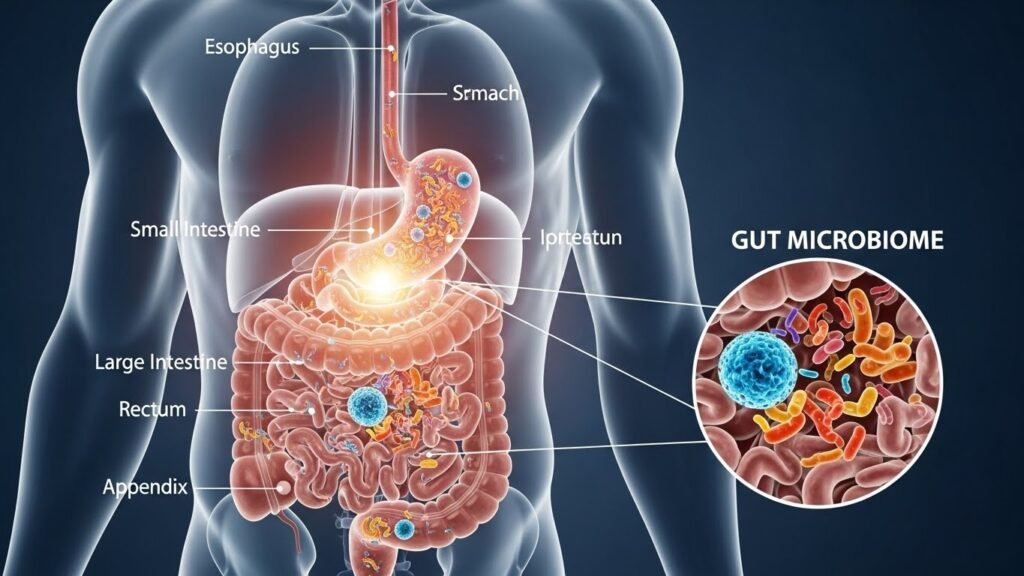
To understand why gut health is paramount, we must first look at the microbiome. This term refers to the trillions of bacteria, viruses, and fungi that live primarily in your large intestine. While the idea of bacteria often carries negative connotations, these microorganisms are largely beneficial and essential for human life.
According to the Human Microbiome Project initiated by the National Institutes of Health (NIH), these microbes outnumber human cells in the body by a significant margin. They act as a symbiotic organ, performing functions we cannot perform ourselves, such as breaking down complex carbohydrates and producing vital vitamins like B12 and K.
When this ecosystem is in balance (homeostasis), we thrive. When it is out of balance—a state known as dysbiosis—it can lead to a cascade of health issues ranging from autoimmune diseases to chronic fatigue.
The Gut-Brain Axis: The Second Brain
Perhaps the most fascinating aspect of gut health is its direct line of communication with the brain. This bidirectional communication network is known as the gut-brain axis.
The enteric nervous system (ENS), often dubbed the “second brain,” lines the gastrointestinal tract with millions of nerve cells. It doesn’t just manage digestion; it communicates with the central nervous system. A seminal report by Harvard Health Publishing explains that the gut is responsible for producing approximately 95% of the body’s serotonin—the key neurotransmitter regulating mood and sleep.
This explains why improving gut health for overall wellness is often a critical component in managing mental health conditions like anxiety and depression. If the gut is inflamed, the brain often suffers.
The Immune Connection
Beyond mental health, the gut is the headquarters of the immune system. It is estimated that 70% of the body’s immune system resides in the gut wall. This proximity allows immune cells to constantly interact with the microbiome, learning to distinguish between harmless food particles and dangerous pathogens.
Research from Johns Hopkins Medicine highlights that a diverse microbiome is crucial for a robust immune response. A sterile gut does not build a strong immune system; a challenged and diverse one does. By nurturing beneficial bacteria, we essentially train our immune cells to be more vigilant and less prone to unnecessary inflammation.
Dietary Strategies: Feeding the Good Bacteria
The most direct lever we can pull to influence our microbiome is diet. The Western diet, often high in processed sugars and low in fiber, is a primary driver of dysbiosis. To reverse this, we must focus on three pillars: Probiotics, Prebiotics, and Diversity.
1. Probiotics vs. Prebiotics
Understanding the distinction between these two is vital for effective dietary planning.
- Probiotics are live beneficial bacteria found in fermented foods. When you eat them, you are adding to the population of good citizens in your gut city.
- Prebiotics are the non-digestible fibers that act as food for the probiotics. Without prebiotics, the probiotics starve.
Below is a comparison of how different food groups contribute to this balance:
| Nutrient Type | Function | Primary Food Sources | Health Benefit |
|---|---|---|---|
| Probiotics | Introduces live, beneficial bacteria to the gut. | Yogurt, Kefir, Sauerkraut, Kimchi, Miso, Kombucha | Restores gut flora after antibiotics, aids digestion, boosts immunity. |
| Prebiotics | Feeds the existing good bacteria (fertilizer). | Garlic, Onions, Leeks, Asparagus, Bananas, Oats, Apples | Improves mineral absorption, regulates blood sugar, lowers inflammation. |
| Polyphenols | Micronutrients that inhibit bad bacteria and feed good ones. | Dark chocolate, Blueberries, Green tea, Red wine (moderate), Olive oil | Antioxidant protection, reduces blood pressure, supports heart health. |
| Resistant Starch | Ferments in the large intestine to create short-chain fatty acids. | Cooked and cooled potatoes, Green bananas, Legumes | Fuels colon cells, improves insulin sensitivity, promotes satiety. |
2. The Power of Fiber
Fiber is the unsung hero of the digestive world. The Mayo Clinic emphasizes that high-fiber diets are associated with a lower risk of heart disease, stroke, and diabetes. Fiber adds bulk to the stool and helps move food through the digestive tract, preventing constipation and stagnation that can allow bad bacteria to proliferate.
3. Diversity on the Plate
Studies suggest that the diversity of plants you eat correlates directly with the diversity of your microbiome. A good rule of thumb is to aim for 30 different plant-based foods per week. This includes spices, seeds, nuts, fruits, and vegetables.
Lifestyle Factors: It’s Not Just About Food
While diet is king, lifestyle is the kingdom. You cannot out-eat a high-stress, sedentary lifestyle. Improving gut health for overall wellness requires a holistic approach.
Sleep and the Circadian Rhythm
Just as we have a circadian rhythm, our gut microbes have their own biological clocks. Disrupted sleep patterns can throw the microbiome out of sync. The Sleep Foundation notes that sleep deprivation can increase cortisol levels, which increases intestinal permeability (often called “leaky gut”). Prioritizing 7-9 hours of quality sleep is a non-negotiable for gut repair.
Stress Management
Chronic stress triggers the “fight or flight” response, which shuts down digestion to divert energy to muscles. Over time, this alters the gut composition. The American Psychological Association cites numerous studies showing that stress management techniques, such as cognitive behavioral therapy and meditation, can reduce symptoms in patients with gastrointestinal disorders.
Exercise and Motility
Physical activity increases blood flow and stimulates the muscles of the GI tract, helping move food through the system. Research published by the National Institute of Diabetes and Digestive and Kidney Diseases suggests that regular exercise is protective against colon cancer and diverticular disease.
Signs Your Gut Needs Attention
How do you know if your efforts in improving gut health for overall wellness are necessary? Look for these signs:
- Persistent digestive issues: Gas, bloating, heartburn, or irregular bowel movements.
- Unintentional weight changes: An imbalanced gut may struggle to absorb nutrients or regulate blood sugar.
- Skin conditions: Eczema and acne are frequently linked to gut inflammation.
- Sugar cravings: Certain bad bacteria thrive on sugar and can release chemicals that manipulate your cravings.
If you suspect severe issues, such as SIBO (Small Intestinal Bacterial Overgrowth), it is crucial to consult guidelines from the World Gastroenterology Organisation or see a specialist.
Conclusion: Trust Your Gut
The journey to optimal health begins in the digestive tract. By acknowledging the complex interplay between what we eat, how we live, and the microscopic organisms we host, we unlock a powerful pathway to vitality.
Improving gut health for overall wellness is not a quick fix or a fad diet; it is a lifestyle commitment. It involves choosing whole foods over processed ones, prioritizing rest, moving your body, and managing stress.
As the Centers for Disease Control and Prevention reminds us, nutrition is foundational to public health. Start small today—perhaps by adding a serving of kimchi to your lunch, taking a brisk walk after dinner, or ensuring you get to bed an hour earlier. Your gut—and your future self—will thank you.
Disclaimer: This article is for informational purposes only and does not constitute medical advice. Always consult with a healthcare professional before making significant changes to your diet or lifestyle.