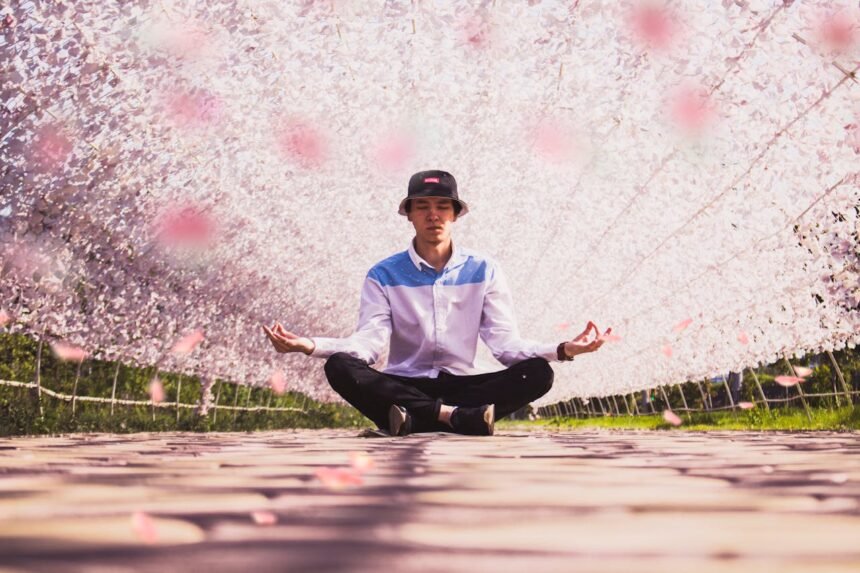
In our fast-paced, hyper-connected world, emotional volatility is becoming a common struggle. From the ping of constant notifications to the pressures of professional life, our nervous systems are often stuck in a state of high alert. While therapy and medication are vital tools for mental health, many people are turning to ancient practices to supplement their well-being. Specifically, utilizing yoga for emotional balance has emerged as a scientifically backed, accessible method for regulating mood and fostering resilience.
Yoga is far more than physical gymnastics or stretching; it is a sophisticated system of self-regulation. By integrating movement, breathwork, and mindfulness, yoga offers a holistic approach to calming the mind and grounding the body. This article explores the physiological mechanisms behind yoga’s mood-boosting power and offers actionable strategies to incorporate it into your emotional hygiene routine.
The Science of Stress: Why We Lose Balance
To understand how yoga helps, we must first understand what happens when we lose our emotional equilibrium. When we experience stress or anxiety, the body’s sympathetic nervous system (the “fight or flight” response) triggers the release of cortisol and adrenaline. While useful for escaping immediate physical danger, chronic activation of this system leads to burnout, irritability, and anxiety.
According to the Mayo Clinic, yoga acts as a counterweight by activating the parasympathetic nervous system—often referred to as the “rest and digest” mode. This activation lowers heart rate, reduces blood pressure, and signals to the brain that it is safe to relax.
Brain Chemistry and the “Yoga High”
Research indicates that yoga does not just relax the muscles; it changes brain chemistry. A study highlighted by Harvard Health Publishing suggests that consistent yoga practice can modulate stress response systems. Furthermore, yoga has been shown to increase levels of Gamma-aminobutyric acid (GABA), a neurotransmitter that plays a crucial role in suppressing neural activity to prevent over-excitement, which is often linked to anxiety disorders.
The Three Pillars of Yoga for Emotional Health
Using yoga for emotional balance isn’t about performing a perfect handstand; it is about the integration of three core elements: Asana (posture), Pranayama (breath), and Dhyana (meditation).
1. Asana: Releasing Somatic Tension
Emotions are often stored in the body. We clench our jaws in anger, hunch our shoulders in fear, or tighten our hips when stressed. Asanas help release this somatic tension. Physical movement helps to metabolize stress hormones, effectively “working out” the emotional energy stuck in the tissues.
2. Pranayama: The Remote Control of the Nervous System
Breath is the bridge between the mind and the body. Controlled breathing exercises, or Pranayama, can immediately shift your emotional state. According to Scientific American, changing the rhythm of your breath signals the vagus nerve to slow down the heart rate, effectively hacking the nervous system to produce a state of calm.
3. Dhyana: Cultivating the Observer Mind
Meditation encourages mindfulness—the ability to observe thoughts and feelings without judgment. This creates a buffer between a trigger and your reaction, giving you the space to choose a balanced response rather than an emotional outburst.

Matching Yoga Styles to Emotional Needs
Not all yoga affects the mood in the same way. The style of yoga you choose should complement your current emotional state to bring you back to center.
Data Comparison: Yoga Styles for Emotional Regulation
The following table outlines which yoga modalities are best suited for specific emotional imbalances:
| Current Emotional State | Recommended Yoga Style | Mechanism of Action | Key Benefit |
|---|---|---|---|
| Anxious / Racing Mind | Restorative Yoga | Uses props to support the body, allowing complete muscle relaxation and nervous system down-regulation. | Deep grounding and reduction of sensory input. |
| Lethargic / Depressed | Vinyasa / Power Yoga | Continuous movement builds heat and increases heart rate, stimulating endorphin release. | Increases energy, focus, and circulation. |
| Angry / Irritable | Yin Yoga | Long holds (3-5 mins) in deep stretches target connective tissue and teach patience/surrender. | Releases deep-seated tension and cultivates tolerance. |
| Scattered / Unfocused | Iyengar Yoga | Focuses on precise alignment and structure, forcing the mind to concentrate on the present moment. | Improves mental clarity and proprioception. |
| Traumatized / Unsafe | Trauma-Informed Yoga | Emphasizes choice and bodily autonomy rather than strict form. | Rebuilds the sense of safety within one’s own body. |
Key Poses for Emotional Balance
If you don’t have time for a full class, integrating specific poses can serve as a quick “emotional first aid” kit.
Child’s Pose (Balasana)
This acts as a protective, grounding posture. By folding inward, you physically shield your vital organs, which sends a primal signal of safety to the brain. It is excellent for moments of overwhelm.
Camel Pose (Ustrasana)
Backbends are known as “heart openers.” Physically opening the chest counteracts the slouching posture associated with sadness and depression. The Cleveland Clinic notes that posture directly influences mood; opening the body can help cultivate feelings of vulnerability and joy.
Tree Pose (Vrksasana)
Balancing poses require intense focus. You cannot worry about the future or regret the past when you are trying not to fall over. This brings the mind sharply into the present moment, alleviating rumination.
The Role of Consistency
Like any form of therapy or exercise, the benefits of yoga are cumulative. A sporadic practice may provide temporary relief, but consistent engagement yields long-term emotional stability.
The National Center for Complementary and Integrative Health (NCCIH) reports that regular yoga practice is linked to better sleep, improved resilience to stress, and overall enhanced quality of life. The goal is to build a neural pathway that defaults to calm rather than chaos.
Creating a Routine
- Start Small: 15 minutes daily is more effective for emotional regulation than 90 minutes once a week.
- Morning vs. Evening: Practice stimulating flows in the morning to wake up, and grounding forward folds in the evening to prepare for sleep.
- Listen to Your Body: According to the American Psychological Association (APA), listening to bodily cues is essential for stress management. If you are exhausted, choose Restorative yoga over intense cardio flows.
Yoga as a Complementary Therapy
While yoga is powerful, it is important to recognize its place within the broader spectrum of mental health care. For individuals suffering from severe clinical depression or panic disorders, yoga serves best as an adjunct therapy alongside professional treatment.
Institutions like Johns Hopkins Medicine emphasize that yoga improves social adjustment and reduces psychological distress, making it a powerful ally in mental health treatment plans.
Integrating Mindfulness Off the Mat
The ultimate goal of yoga for emotional balance is to take the lessons learned on the mat and apply them to daily life. When a stressful email arrives, can you notice your breath tightening and consciously lengthen it? When a conflict arises, can you find the “grounding” sensation in your feet before reacting?
This translation of skills is what Psychology Today refers to as increasing “distress tolerance.” It is the ability to sit with discomfort without immediately reacting to it, a skill cultivated through holding challenging poses and observing the mind during meditation.
Conclusion
Achieving emotional balance is not about eliminating stress or negative emotions; it is about developing the capacity to navigate them with grace. Yoga offers a unique, natural pathway to this stability by harmonizing the physiological and psychological aspects of our being.
Whether through the heat of a Vinyasa flow or the stillness of a Restorative session, the practice invites us to return to ourselves. By dedicating time to yoga for emotional balance, you are investing in a resilient nervous system and a clearer, calmer mind.
Ready to find your center? Start today with just five minutes of conscious breathing or a simple stretch. Your mind—and your body—will thank you.