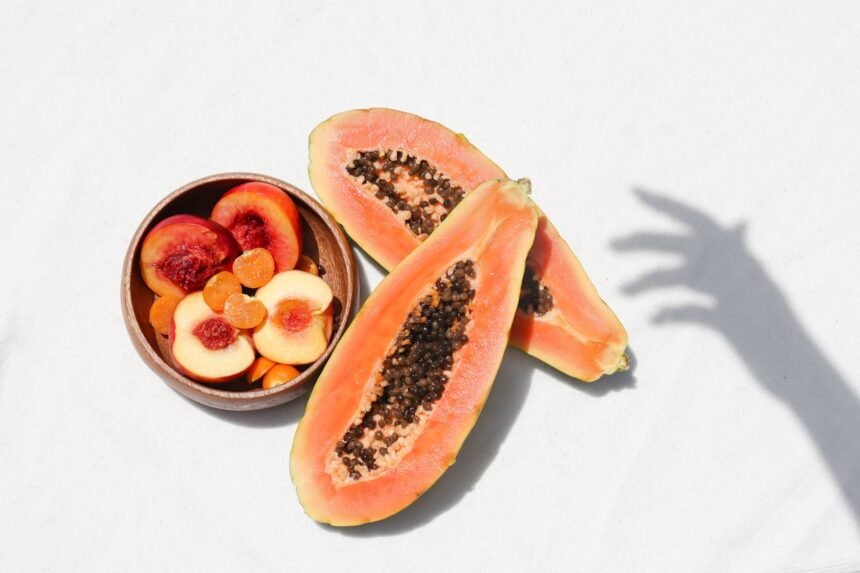
Papaya is widely celebrated as a nutritional powerhouse, often gracing breakfast bowls and smoothies across the United Kingdom. With its vibrant orange hue and sweet, buttery texture, it is easy to see why Christopher Columbus famously referred to it as the “fruit of the angels”. Beyond its delightful taste, papaya is packed with essential vitamins, antioxidants, and a unique enzyme called papain, which aids in protein digestion.
However, even the healthiest natural foods typically require moderation. While health authorities like the NHS advocate for a varied intake of fruits and vegetables, consuming excessive amounts of papaya can lead to unexpected and sometimes uncomfortable health issues. Whether you are aiming to improve your digestion or simply enjoy the tropical flavour, it is vital to realise that more is not always better.
Understanding the delicate balance between nourishment and overconsumption is key to maintaining your well-being. From digestive upset to rare allergic reactions, the side effects of eating too much papaya are varied and worth noting. In this article, we explore the potential downsides of this tropical fruit, supported by scientific evidence, to help you make informed dietary choices without compromising your health.
Understanding the Nutritional Profile
Before diving into the side effects, it is helpful to understand what makes papaya so potent. This fruit is an excellent source of Vitamin C, Vitamin A, and folate. It also provides a healthy dose of dietary fibre and potassium, which are essential for heart health.
The star component, however, is papain. This proteolytic enzyme is highly effective at breaking down tough protein chains found in muscle meat. According to Healthline, papain is so powerful that it is often used as a natural meat tenderiser in culinary arts. While this enzyme can assist your digestive system, an overload can irritate the lining of the stomach and oesophagus.
Furthermore, papaya contains latex—a milky white fluid found primarily in the skin and unripe fruit. This substance is rich in plant compounds that can trigger reactions in sensitive individuals. Understanding these components helps explain why eating too much can shift the balance from beneficial to harmful.
5 Potential Side Effects of Eating Too Much Papaya
While papaya is generally safe for most people, consuming it in large quantities can trigger a range of symptoms. Here are the specific side effects to watch out for if you indulge too frequently.
1. Digestive Distress and Laxative Effects
One of the most immediate signs of overindulgence is digestive discomfort. Papaya is rich in fibre and water, which naturally promotes regular bowel movements. However, a sudden spike in fibre intake can overwhelm your digestive system.
The British Nutrition Foundation notes that while fibre is crucial for gut health, increasing your intake too quickly can lead to bloating, gas, and abdominal cramping. The enzyme papain also plays a role here; in excessive amounts, it may cause a powerful laxative effect, leading to unexpected diarrhoea.
If you have a sensitive stomach or suffer from conditions like Irritable Bowel Syndrome (IBS), the combination of high fibre and active enzymes might trigger a flare-up. It is always best to introduce high-fibre foods gradually to allow your gut bacteria to adjust.
2. The Latex-Fruit Syndrome
Surprisingly, papaya can pose a serious risk to individuals with a latex allergy. This is due to a phenomenon known as the latex-fruit syndrome. Papayas contain chitinases, which are enzymes that share a similar protein structure to the allergens found in natural rubber latex.
According to Allergy UK, if you are allergic to latex, your immune system may mistake the proteins in papaya for the latex allergen, triggering a cross-reaction. Symptoms can range from mild itching and hives to more severe reactions like swelling of the lips and throat.
This risk is significantly higher when consuming unripe or semi-ripe papaya, as these contain much higher concentrations of latex compared to the fully ripe fruit. If you have a known latex sensitivity, it is crucial to consult an allergist before adding papaya to your diet.
3. Potential Risks During Pregnancy
Pregnancy is a time when dietary caution is paramount, and papaya—specifically the unripe variety—is often flagged as a food to avoid. Unripe papaya contains high levels of latex, which can act as a prostaglandin and oxytocin stimulant.
Research highlighted by the National Center for Biotechnology Information (NCBI) suggests that these compounds can induce uterine contractions, potentially leading to early labour or, in severe cases, miscarriage. While fully ripe papaya is generally considered safe due to its lower latex content, many healthcare providers recommend avoiding the fruit entirely or strictly limiting intake to ensure safety.
It is also worth noting that the papain enzyme can weaken the vital membranes that support the foetus. Therefore, sticking to other fruits like berries or apples might be a safer choice during this sensitive period.
4. Skin Discolouration (Carotenaemia)
If you notice your skin turning a yellowish-orange shade, you might be experiencing carotenaemia. This condition is caused by excessive consumption of beta-carotene, the pigment responsible for papaya’s bright orange colour.
While beta-carotene is an antioxidant and a precursor to Vitamin A, your body can only metabolise so much at once. The excess pigment accumulates in the outermost layer of your skin, particularly in the palms of your hands and the soles of your feet.
Information from DermNet confirms that while carotenaemia is harmless and reversible, it can be alarming to witness. The condition typically resolves on its own once you reduce your intake of beta-carotene-rich foods like papaya, carrots, and sweet potatoes.
5. Medication Interactions
Papaya can interact with certain medications, potentially altering their effectiveness. Of particular concern is the interaction with blood-thinning medications (anticoagulants) such as warfarin.
The fruit is rich in Vitamin K, which plays a critical role in blood clotting. According to the British Heart Foundation, consistent intake of Vitamin K is necessary for those on warfarin, but sudden changes—like binge-eating papaya—can disrupt your INR (International Normalised Ratio) levels.
Additionally, there is some evidence that fermented papaya preparations might lower blood sugar levels. If you are taking medication for diabetes, combining it with large amounts of papaya could theoretically lead to hypoglycaemia (low blood sugar). Monitoring your levels is essential if you make significant dietary changes.
| Nutrient Factor | Papaya (per 100g) | Orange (per 100g) | Notes on Excess |
|---|---|---|---|
| Sugar | ~7.8g | ~9.3g | Moderate sugar, but high intake impacts blood glucose. |
| Fibre | ~1.7g | ~2.4g | Excess can cause bloating and loose stools. |
| Vitamin C | ~60mg | ~53mg | Very high; excess is excreted but can cause acidity. |
| Beta-Carotene | High | Low | Primary cause of skin discolouration. |
Frequently Asked Questions
Can eating papaya seeds be harmful?
While papaya seeds are edible and often praised for their anti-parasitic properties, they are incredibly potent. They contain benzyl isothiocyanate, a compound that can cause toxicological damage at high doses. Some animal studies referenced by Medical News Today suggest that excessive consumption of papaya seeds might impair fertility in males by lowering sperm count. While human studies are limited, moderation is strongly advised.
Is papaya safe for people with diabetes?
Generally, yes. Papaya has a medium Glycaemic Index (GI), meaning it does not spike blood sugar as sharply as some other tropical fruits. However, Diabetes UK emphasises that portion control is critical. Eating a whole papaya in one sitting delivers a significant carbohydrate load, which can be problematic. A small cup of cubed papaya is usually a safe serving size.
Can papaya cause kidney stones?
This is a rare but possible side effect. Papaya is incredibly rich in Vitamin C. According to the National Kidney Foundation, taking Vitamin C in extremely high doses (often via supplements, but theoretically possible through massive fruit intake) can increase oxalate excretion in urine, potentially leading to the formation of kidney stones in susceptible individuals.
How much papaya is too much?
There is no specific “toxic” limit, but a standard serving size is typically considered to be one cup of cubed fruit (approx. 150g). Consuming more than this daily over a prolonged period increases the risk of the side effects mentioned above, particularly carotenaemia and digestive looseness.
The Bottom Line
Papaya remains a delicious and highly nutritious addition to a balanced diet, offering vital nutrients that support immune function and digestion. However, as with most foods, the key lies in moderation.
Eating too much can turn these benefits into burdens, ranging from uncomfortable digestive issues and skin discolouration to more serious risks for pregnant women or those on specific medications. The World Health Organization recommends a diverse intake of fruits and vegetables rather than relying heavily on a single type.
If you experience any adverse symptoms after eating papaya, such as an itchy mouth or severe stomach cramps, stop consumption immediately and consult a healthcare professional. By listening to your body and adhering to sensible portion sizes, you can continue to enjoy this tropical treat safely.