Switzerland is renowned globally for its majestic Alpine peaks, pristine lakes, and efficient infrastructure. However, its popularity often results in overcrowded tourist hubs, particularly during the peak winter skiing months and the height of the summer holidays. For travellers seeking tranquillity rather than queues, identifying the quietest time to visit Switzerland is essential.
The search for silence requires looking beyond the standard holiday calendar. While the masses flock to Zermatt in February or Interlaken in July, the astute visitor knows that the true magic of the Swiss landscape is best revealed when the tour buses have departed. Visiting during these off-peak periods allows you to experience a more authentic side of Swiss culture, where local life takes precedence over tourism.
This guide will detail exactly when to book your flight to ensure your holiday is defined by serenity. By targeting the ‘shoulder seasons’, you can enjoy the breathtaking scenery without the hustle, ensuring a restorative break in the heart of Europe. Let us explore the optimal months for peace.
Understanding the Swiss Shoulder Seasons
To find the quietest time to visit Switzerland, you must first understand the concept of the ‘shoulder season’. This term refers to the travel period between the peak high seasons and the low off-seasons. In Switzerland, the high seasons are strictly defined by the weather: winter for skiing (December to March) and summer for hiking and sightseeing (July and August).
The shoulder seasons fall into two distinct windows: spring (April to early June) and autumn (late September to November). During these months, the country takes a collective breath. The ski lifts often pause for maintenance, and the hiking trails are quiet. This is the sweet spot for solitude.
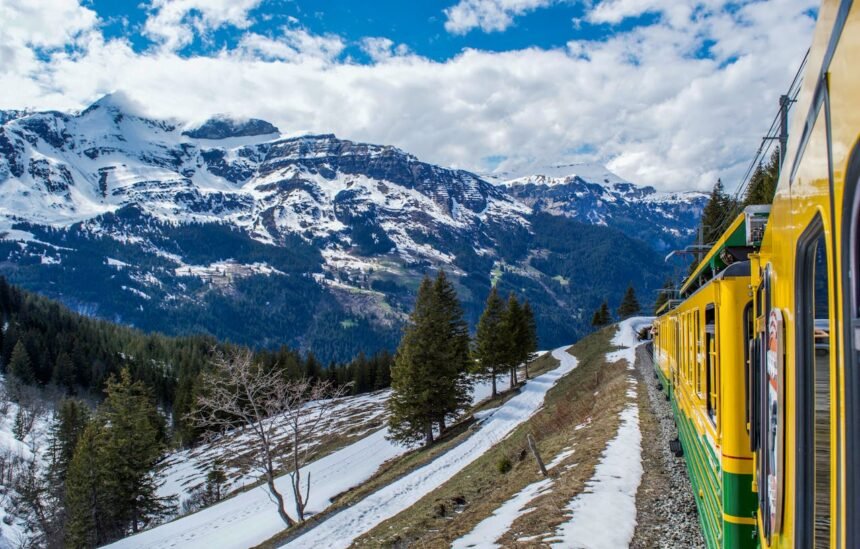
According to travel data from The Telegraph, hotel occupancy rates drop significantly during these months. This not only guarantees a peaceful atmosphere but also results in lower accommodation costs. You will find that train carriages on the famous scenic routes are half-empty, allowing you to move freely and enjoy the views without obstruction. For British travellers, this is the perfect opportunity to utilise Skyscanner to find cheaper flights from London or Manchester.
Spring Solitude: April to Early June
Spring represents a time of awakening and is arguably the quietest time to visit Switzerland if you enjoy witnessing nature come to life. As the snow melts in the lower valleys, the landscape transforms into a vibrant tapestry of green meadows and blooming wildflowers.
What to Expect in Spring
During April and May, the higher altitudes may still have snow, meaning high-altitude hiking is limited. However, the valley floors are spectacular. The waterfalls, fuelled by melting snow, are at their most powerful. The trümmelbach Falls in the Lauterbrunnen Valley, for instance, are thundering yet accessible without the summer crowds.
The Trade-off
It is important to note that some mountain railways and cable cars close for maintenance during this period. You should check the timetables on the Swiss Travel System or via a UK agent like Ffestiniog Travel before you travel. However, the trade-off is worth it. You can walk along Lake Geneva or Lake Lucerne in almost total privacy. The weather is generally mild, though unpredictable, so packing layers is vital. Check the latest forecasts on BBC Weather to plan your days effectively.
Cities like Bern and Zurich are also delightful in spring. The ‘Altstadt’ (Old Town) areas are free from large tour groups, allowing you to wander the cobbled streets and visit museums at your own pace. The blossoming trees in the parks add a splash of colour that is unique to this season.
Autumn Serenity: Late September to November
If spring is about rebirth, autumn is about atmosphere. For many, late September through November is the absolute quietest time to visit Switzerland. The summer heat has dissipated, replaced by crisp, fresh air and dramatic lighting that is a photographer’s dream.
The Golden Season
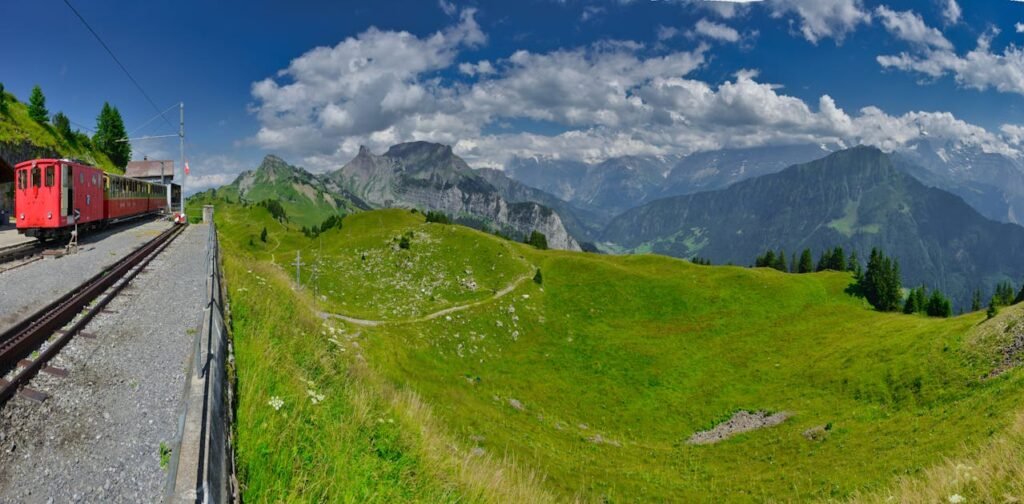
In the lower regions and wine-growing areas, such as Lavaux or the Valais, the autumn foliage turns a brilliant gold. This is the harvest season. You can visit vineyards without booking months in advance. The walking trails below 2,000 metres remain accessible and are incredibly peaceful.
Resources like National Geographic UK often highlight autumn as the best season for cultural immersion. The ‘Alpabzug’ (descent of the cattle) festivals occur in late September, where cows wearing flower crowns return to the valleys. While these events attract locals, they are far less commercialised than peak summer attractions.
Weather and Mood
November can be grey and rainy, often referred to as ‘Hochnebel’ (high fog) season. However, if you head slightly higher up the mountains, you often break through the fog into brilliant sunshine. It is a cosy time to visit; perfect for reading a book by a fireplace in a traditional chalet. You can find excellent deals on Lastminute.com for autumn getaways, as demand is low.
Hidden Gems for Quiet Travellers
Even during the quietest time to visit Switzerland, some areas remain busy. To ensure total peace, you should avoid Zermatt, Interlaken, and Lucerne city centre. Instead, focus on these lesser-known regions.
The Jura Mountains
Located in the north-west, the Jura region is often overlooked by international tourists. It offers rolling hills, dense forests, and a sense of isolation that is rare in central Europe. It is ideal for cross-country walking and horse riding.
Appenzell
Situated in the north-east, Appenzell maintains a very traditional Swiss character. It is famous for its cheese and painted houses. The hiking here is superb and far less crowded than the Bernese Oberland. You can read more about regional safety and advice on GOV.UK.
The Engadine Valley
While St. Moritz is glitzy, the lower Engadine villages like Scuol are quiet, historic, and surrounded by stunning peaks. In October, the larch trees turn golden yellow, creating a landscape that looks like a painting.
Practical Tips for a Calm Holiday
To maximise the tranquillity of your trip, consider these logistical tips. First, travel by train. The Swiss railway system is the envy of the world. In the off-season, First Class upgrades are often heavily discounted, providing a silent, luxurious environment. You can research routes via The Man in Seat 61, a fantastic UK resource for rail travel.
Secondly, avoid the school holidays. Check the UK school holiday dates, but also be aware of Swiss holidays. Visiting in mid-May or early November ensures you avoid families from both nations.
Finally, ensure you have comprehensive travel insurance. Although Switzerland is safe, the off-season weather can be changeable. Which? offers excellent advice on choosing the right policy for independent travellers.
Summary of Seasonal Quietness
The following table outlines the pros and cons of the quietest months.
| Month | Crowd Level | Weather Conditions | Best For |
|---|---|---|---|
| April | Very Low | Unpredictable, snow melt | Waterfalls, lower valley walks |
| May | Low | Mild, blooming flowers | City breaks, lakeside strolls |
| October | Low | Crisp, clear air | Hiking, photography, wine |
| November | Very Low | Foggy, chilly | Spa retreats, reading, culture |
Frequently Asked Questions
1. Is everything closed during the quietest time to visit Switzerland?
Not everything. While some mountain cable cars and resort hotels close for maintenance in May and November, cities and towns remain fully functional. Trains run on regular schedules, and most museums and restaurants are open. It requires checking specific mountain transport schedules beforehand.
2. Is it cheaper to visit during these months?
Yes, significantly. Flight prices from the UK drop, and accommodation can be up to 30% cheaper than in high season. You might also find special offers on rail passes. Always compare prices on British Airways for off-peak deals.
3. Will I be able to ski in the shoulder season?
Generally, no. Most ski resorts close by late April. However, high-altitude glaciers like Zermatt or Saas-Fee may offer year-round skiing, though this is not the focus of a quiet trip.
4. Do I need to speak German or French?
English is widely spoken, even in quieter regions. However, learning a few words of the local language is always appreciated and helps in building rapport with locals.
Conclusion
Finding the quietest time to visit Switzerland is about timing and location. By choosing to travel in late spring (April-May) or late autumn (October-November), you unlock a version of the country that few tourists see. You gain access to empty trails, lower prices, and a genuine connection with the local culture.
Whether you prefer the blossoming meadows of spring or the golden hues of autumn, Switzerland offers a sanctuary of peace for those willing to travel against the grain. Plan carefully, pack for all weathers, and prepare to enjoy the silence of the Alps. For further inspiration, consult Wanderlust Magazine for in-depth features on Swiss hidden gems.