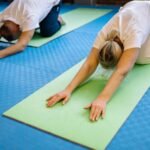
In a world driven by social media highlights and constant comparison, self-doubt can easily creep into our minds. We often look externally for validation, seeking approval from peers, bosses, or likes on a screen. However, true assurance comes from within. While often viewed solely as a physical fitness regimen, the practice of yoga for self confidence offers a profound pathway to mental resilience and emotional stability.
Yoga is more than just stretching; it is a discipline that unifies the breath, body, and mind. By consciously moving through asanas (poses) and practicing pranayama (breath control), we can rewrite the neural pathways associated with anxiety and low self-worth. This article explores the science behind body language, the energetic principles of the solar plexus, and actionable yoga sequences designed to help you stand taller—both on and off the mat.
The Psychology of Posture: Embodied Cognition
The connection between how we hold our bodies and how we feel emotionally is backed by significant scientific research. This concept, known as embodied cognition, suggests that our physical form influences our mental state. When we feel insecure, we tend to slouch, round our shoulders, and protect our heart center. Conversely, when we feel confident, we expand, taking up space.
According to research regarding power posing discussed by Harvard University, holding expansive postures can actually alter hormonal levels, decreasing cortisol (stress hormone) and increasing testosterone (dominance/confidence hormone). Yoga systematically encourages these “power poses” through alignment-based practice.
Furthermore, the American Psychological Association notes that chronic stress physically manifests in the body as tension. By releasing this tension through targeted movement, we signal to the brain that we are safe and capable, creating a feedback loop of confidence.
The Solar Plexus: Igniting Your Inner Fire
In yogic philosophy, self-esteem is governed by the Manipura, or the Solar Plexus Chakra. Located just above the navel, this energy center is associated with the element of fire, personal power, and transformation. When this chakra is balanced, we feel assertive, decisive, and confident. When blocked, we may experience passivity or aggressive insecurity.
Integrating poses that target the core and generate heat is essential when practicing yoga for self confidence. Ancient texts and modern interpretations found in Yoga Journal alike emphasize that stimulating this area can help metabolize not just food, but life experiences, allowing us to move forward with purpose.
Essential Asanas for Building Confidence
To build inner strength, focus on poses that require balance, open the chest (vulnerability), and engage the core (willpower). Here is a breakdown of key postures.
1. Tadasana (Mountain Pose)
While it looks simple, Mountain Pose is the foundation of all standing postures. It teaches us to stand our ground.
- How to do it: Root down through the four corners of your feet. Engage your quadriceps, draw your navel in, and roll your shoulders back. Reach the crown of your head toward the sky.
- Mental Focus: Visualize yourself as a mountain—unshakeable and majestic, regardless of the weather (emotions) passing around you.
2. Virabhadrasana II (Warrior II)
The Warrior series is named after Virabhadra, a fierce warrior from Hindu mythology. As detailed by B.K.S. Iyengar in Light on Yoga, these poses cultivate intense focus and determination.
- How to do it: With legs wide, bend your front knee to 90 degrees. Extend arms parallel to the floor. Gaze fiercely over your front middle finger.
- Mental Focus: Fix your eyes (Drishti) on your goal. Feel the strength in your legs and the expansion of your chest.
3. Ustrasana (Camel Pose)
Backbends are vulnerable; they expose the throat and heart, areas we instinctively protect when afraid. Opening these areas requires and builds immense courage.
- How to do it: Kneel with hips over knees. Place hands on your lower back or reach for your heels. Lift the chest upward rather than just crunching backward.
- Mental Focus: Trust yourself to remain open. Accept your vulnerability as a strength, not a weakness.
4. Simhasana (Lion’s Breath)
This is perhaps the most unconventional yet effective technique for destroying inhibition. It releases tension in the jaw and face, often a storage facility for unexpressed emotions.
- How to do it: Kneel down. Inhale deeply through the nose. Exhale forcefully through the mouth with a “HA” sound, sticking your tongue out as far as possible and gazing at the point between your eyebrows.
- Mental Focus: Releasing the fear of looking “silly” or imperfect.

Comparative Analysis: Yoga Styles for Mental Resilience
Different styles of yoga affect the mind in unique ways. Use this table to determine which practice best suits your current emotional needs.
| Yoga Style | Primary Focus | Best For… | Confidence Benefit |
|---|---|---|---|
| Hatha Yoga | Basic alignment and holding poses | Beginners & stress relief | Builds a foundation of body awareness and mastery over physical movement. |
| Vinyasa Flow | Breath-synchronized movement | Energetic release & cardio | Creates a “moving meditation” that proves you can handle fluid, changing situations. |
| Iyengar Yoga | Precision and props | Detail-oriented individuals | Develops discipline and corrects posture, directly influencing the “power pose” effect. |
| Kundalini | Repetitive movement & chanting | Breaking emotional blocks | Targets the nervous system directly to shatter self-imposed limitations and fear. |
| Bikram/Hot Yoga | Heat and endurance | Resilience building | Proves to the practitioner that they can survive and thrive in intense/uncomfortable environments. |
The Role of Breath and Meditation
Physical postures are only half the equation. The National Center for Complementary and Integrative Health (NCCIH) highlights that yoga’s stress-reducing benefits are largely tied to pranayama (breathwork). Shallow breathing triggers the sympathetic nervous system (fight or flight), fueling anxiety. Deep, diaphragmatic breathing activates the parasympathetic system, signaling safety.
Meditation for Self-Worth
Meditation allows us to observe our thoughts without attaching to them. When a thought like “I am not enough” arises, a meditator can label it as just a thought, not a fact. Techniques regarding mindfulness-based stress reduction (MBSR) have been shown to significantly reduce social anxiety and improve self-view.
Try this simple practice:
- Sit comfortably.
- Inhale stating, “I am worthy.”
- Exhale stating, “I release doubt.”
- Repeat for 5 minutes daily.
Integrating Yoga into Daily Life
Building self-esteem is a practice, not a destination. Consistency is key to neuroplasticity—the brain’s ability to reorganize itself. According to Stanford University researchers, habit formation relies on repetition and reward. Even 15 minutes of yoga daily is more effective for mental health than a sporadic 90-minute class.
Practical Tips for Consistency:
- Start Small: Don’t commit to an hour if you only have 20 minutes. Success builds confidence; failure to meet unrealistic goals destroys it.
- Create a Sacred Space: Dedicate a corner of your room to your practice. The environment triggers the habit.
- Journal Post-Practice: Write down how you felt before vs. after. This provides concrete data to your brain that the practice works.
For those suffering from severe anxiety, it is worth noting that yoga is a complementary therapy. The Mayo Clinic suggests integrating yoga with standard medical treatments for the best outcomes in managing mental health disorders.
Conclusion: Step onto the Mat, Step into Your Power
Using yoga for self confidence is a journey of peeling back the layers of doubt that have accumulated over years. It is about learning to trust the wisdom of your body and the strength of your breath. When you hold a Warrior pose when your legs are shaking, you teach your mind that you can endure difficulty. When you balance in Tree pose, you learn that falling is just part of the process, not a definition of your worth.
As the Cleveland Clinic affirms, the holistic approach of yoga offers tools that extend far beyond the studio walls. Today, take a moment to roll out your mat. Stand in Mountain Pose. Breathe. Recognize that the strength you seek is already within you, waiting to be awakened.