
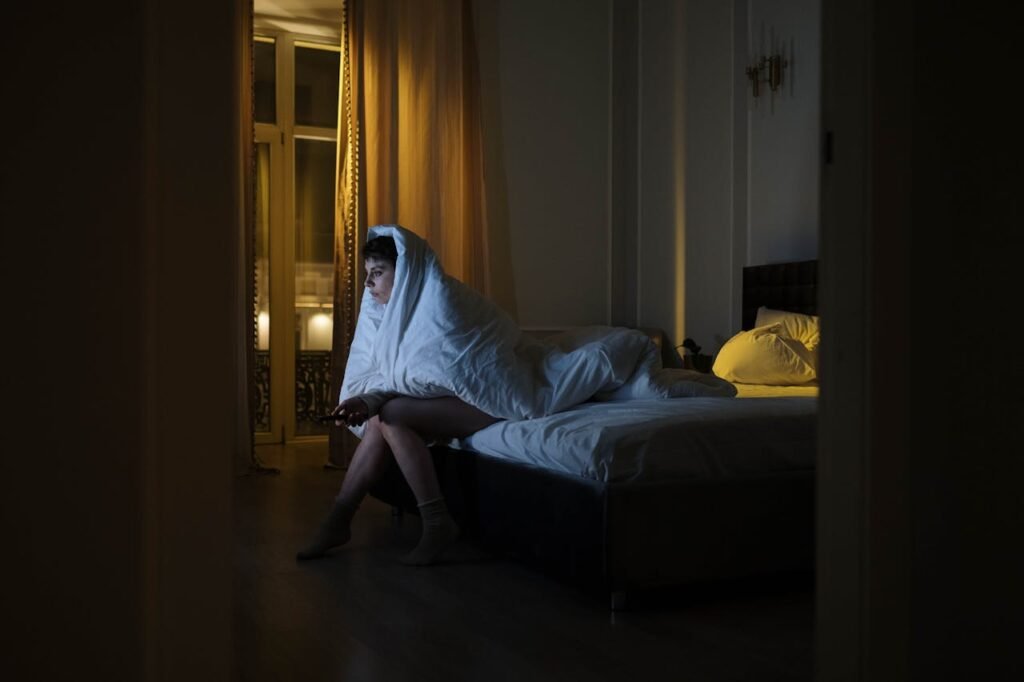
We have all been there. You are exhausted, your body feels heavy, and the clock reads 3:00 AM. Yet, your mind is racing, replaying the day’s events or worrying about tomorrow’s to-do list. The harder you try to force sleep, the more elusive it becomes. If this scenario sounds familiar, you are likely part of the vast demographic experiencing sporadic sleep disruptions.
While chronic insomnia is a medical condition requiring professional intervention, many people suffer from temporary bouts of restlessness caused by stress, travel, or dietary choices. Fortunately, you do not always need a prescription to find relief. There is a wide array of natural remedies for occasional sleeplessness that can help reset your internal clock and guide you back to a restful slumber.
In this comprehensive guide, we will explore scientifically backed herbal allies, mineral supplements, and critical lifestyle adjustments to help you stop counting sheep and start dreaming.
Understanding the Mechanics of Sleep
Before diving into remedies, it is essential to understand what regulates our sleep. Our bodies operate on a 24-hour internal clock known as the circadian rhythm. This cycle regulates physical, mental, and behavioral changes, primarily responding to light and darkness in our environment. According to the National Institute of General Medical Sciences, disruptions to these circadian rhythms—whether through jet lag, late-night screen time, or irregular schedules—are often the root cause of occasional sleeplessness.
Herbal Allies from Nature’s Pharmacy
Humanity has utilized plants to induce relaxation for millennia. Modern science is now catching up, validating the efficacy of specific botanicals in promoting sleep.
Valerian Root
Valerian is perhaps the most well-researched herbal sleep aid. Native to Europe and Asia, the root of this plant has been used since ancient Greek and Roman times. Research suggests that valerian may increase the levels of gamma-aminobutyric acid (GABA) in the brain, a neurotransmitter that helps regulate nerve cells and reduces anxiety.
The National Center for Complementary and Integrative Health (NCCIH) notes that Valerian root supplements are generally safe for short-term use. However, it is famous for its potent, earthy odor and may take a few weeks of consistent use to show full effects.
Chamomile
Often consumed as a warm tea, chamomile is a gentle sedative suitable for nearly everyone. Its effects are attributed to an antioxidant called apigenin, which binds to specific receptors in your brain that may decrease anxiety and initiate sleep. A study published on the therapeutic properties of chamomile highlights its efficacy in improving sleep quality among varying demographics, including postpartum women and the elderly.
Lavender
The remedy need not always be ingested. Aromatherapy using lavender oil has shown promising results in slowing down the nervous system. Inhaling the scent of lavender before bed can lower blood pressure and heart rate, putting the body in a state conducive to rest.
The Role of Minerals and Hormones
Sometimes, sleeplessness is a signal that your body is deficient in specific nutrients or hormones required for the sleep-wake cycle.
Magnesium: The Relaxation Mineral
Magnesium plays a massive role in hydration, muscle recovery, and energy production, but it is also vital for sleep. It helps quiet the nervous system by blocking more excitable molecules from binding to neurons. Low levels of magnesium have been linked to poor sleep quality and insomnia.
The Sleep Foundation suggests that magnesium can help regulate neurotransmitters directly related to sleep. Foods rich in magnesium include almonds, spinach, and pumpkin seeds, though supplements are a popular alternative.
Melatonin: The Darkness Hormone
Melatonin is a hormone naturally produced by the pineal gland in response to darkness. It doesn’t put you to sleep like a sedative; rather, it signals to your body that it is time to sleep. Supplements are particularly effective for shift workers or those suffering from jet lag.
According to the Mayo Clinic, Melatonin is generally safe for short-term use, but timing is everything. Taking it too late can shift your clock in the wrong direction, leading to morning grogginess.
Comparison of Natural Sleep Aids
Choosing the right remedy depends on your specific struggle—whether it is falling asleep (latency) or staying asleep (maintenance).
| Remedy Category | Primary Option | Mechanism of Action | Best For | Caution |
|---|---|---|---|---|
| Herbal | Valerian Root | Increases GABA levels to calm nerve activity. | Anxiety-induced sleeplessness. | Can interact with other sedatives. |
| Herbal | Chamomile | Apigenin binds to brain receptors to reduce anxiety. | Mild restlessness; creating a bedtime ritual. | Rare allergic reactions (daisy family). |
| Mineral | Magnesium Glycinate | Relaxes muscles and regulates neurotransmitters. | Restless legs; physical tension preventing sleep. | High doses can cause digestive issues. |
| Hormonal | Melatonin | Signals circadian rhythm that it is night. | Jet lag; Shift work sleep disorder. | Can cause vivid dreams or grogginess. |
| Sensory | Lavender Oil | Olfactory stimulation lowers heart rate. | Mental racing; stress reduction. | Keep away from pets (toxic to cats/dogs). |
Lifestyle as Medicine: Sleep Hygiene
Supplements are most effective when paired with strong sleep hygiene. This term refers to the behavioral and environmental practices that precede sleep.
The Impact of Blue Light
In our modern world, we are inundated with artificial light. The blue light emitted by phones, tablets, and computers suppresses melatonin production more than any other light spectrum. Harvard Health emphasizes that blue light has a dark side, effectively tricking the brain into thinking it is still daytime. To combat this, experts recommend a “digital sunset”—turning off screens at least one hour before bed.
Temperature and Environment
Your body temperature naturally drops to initiate sleep. If your room is too warm, it can inhibit this process. The Centers for Disease Control and Prevention (CDC) recommends keeping your bedroom quiet, dark, and at a comfortable temperature to optimize sleep hygiene.
Relaxation Techniques
If your body is ready but your mind is active, physical relaxation techniques can bridge the gap.
- 4-7-8 Breathing: Inhale through the nose for 4 seconds, hold for 7 seconds, and exhale forcefully through the mouth for 8 seconds. This acts as a tranquilizer for the nervous system.
- Progressive Muscle Relaxation (PMR): This involves tensing and then slowly releasing each muscle group in the body, starting from the toes and moving up to the head. The Cleveland Clinic supports the use of deep breathing and relaxation techniques to reduce the physical symptoms of stress that hinder sleep.
Dietary Influences
What you eat during the day dictates how you sleep at night.
- Caffeine Cut-off: Caffeine has a half-life of 3 to 5 hours, meaning half the dose is still in your system hours after consumption. The FDA warns that high caffeine consumption can cause jitteriness and insomnia. Try to stop caffeine intake by 2:00 PM.
- Alcohol Trap: While alcohol may help you fall asleep faster, it destroys sleep quality by reducing Rapid Eye Movement (REM) sleep, leading to fragmented rest.
- Heavy Meals: Eating a large meal right before bed forces your digestive system to work while the rest of your body is trying to shut down, often leading to discomfort or acid reflux.
When Natural Remedies Aren’t Enough
While natural remedies for occasional sleeplessness are highly effective for most, they are not a cure-all for chronic sleep disorders like sleep apnea or chronic insomnia. If you find yourself struggling to sleep at least three nights a week for three months or more, you may meet the criteria for a chronic condition according to the American Academy of Sleep Medicine. In such cases, consulting a healthcare provider is non-negotiable.
Conclusion
Sleep is not a luxury; it is a biological necessity for repair, memory consolidation, and emotional regulation. Occasional sleeplessness is a frustrating but manageable hurdle. By combining herbal allies like Valerian or Chamomile with the mineral support of Magnesium and—most importantly—rigorous sleep hygiene, you can reclaim your night.
Don’t let another night of staring at the ceiling pass you by. Choose one of these natural strategies to implement tonight—perhaps a digital detox an hour before bed or a warm cup of chamomile tea—and take the first step toward the restorative rest you deserve.