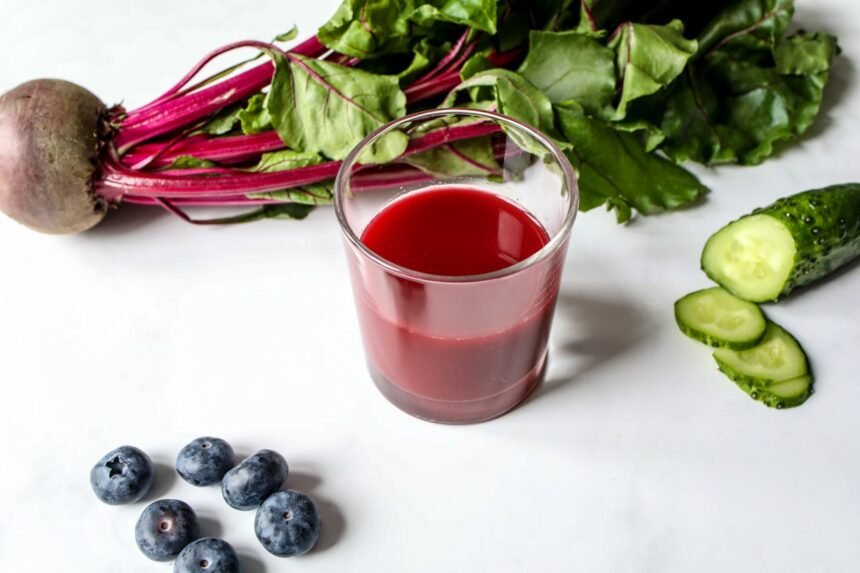
We all know we should be eating our greens. From the moment we are old enough to hold a fork, the importance of consuming vegetables is drilled into us. However, fitting the recommended five portions a day into a busy lifestyle can often feel like an uphill struggle. This is where juicing steps in—a vibrant, convenient trend that promises a concentrated dose of vitamins in a single glass.
But is liquifying your produce actually better than simply chewing it? There is a prevailing belief that juicing unlocks nutrients, making them easier for the body to absorb. Conversely, critics argue that stripping away the fibre transforms a healthy habit into a sugar-laden mistake.
If you are standing in your kitchen debating whether to toss that kale into a salad bowl or a juicer, you are not alone. Navigating nutrition advice can be confusing. In this article, we break down the science, the benefits, and the potential downsides to help you make the best choice for your body.
What Is Juicing? An Overview
Juicing is the process of extracting the liquid from fresh fruits and vegetables. This process strips away most of the solid matter, including seeds and pulp, leaving behind a liquid that contains vitamins, minerals, and plant chemicals (phytonutrients).
It is important to distinguish juicing from blending. Blending mixes all the edible parts of fruits and vegetables, including the pulp, to produce a smoothie. Juicing, specifically, separates the liquid from the fibre.
The Methods
Generally, you will encounter two main types of juicers:
- Centrifugal Juicers: These grind fruits and vegetables into pulp through a high-speed spinning action with a metal blade. The spinning force separates the juice from the solids.
- Cold-Press (Masticating) Juicers: These crush and press produce slowly to extract as much juice as possible. Many enthusiasts believe this method preserves more enzymes and nutrients because it generates less heat.
While the resulting liquid is nutrient-dense, the removal of fibre is the primary point of contention among nutritionists. Understanding the role of this missing component is key to the debate.
The Nutritional Breakdown: Juice vs. Whole
To understand whether one method is superior, we must look at how the body processes these different forms of nourishment. Here is a detailed breakdown of the physiological impacts.
1. The Fibre Factor
The most significant difference is fibre. When you juice, you remove almost all the insoluble fibre. According to the British Heart Foundation, fibre is essential for digestive health and can help lower the risk of heart disease, stroke, and type 2 diabetes.
Whole vegetables provide:
- Insoluble Fibre: Adds bulk to your stool and helps food pass more quickly through the stomach and intestines.
- Soluble Fibre: Dissolves in water and helps lower glucose levels and blood cholesterol.
While some soluble fibre remains in juice, the vast majority is lost in the pulp. This loss impacts how your body regulates digestion and long-term gut health.
2. Nutrient Absorption
Proponents of juicing often claim that removing the fibre allows the body to absorb nutrients more efficiently, giving your digestive system a “rest.”
There is some truth to this. Without the fibrous matrix to break down, vitamins and minerals hit your bloodstream faster. For individuals with certain digestive disorders or those who struggle to absorb nutrients, this can be beneficial. However, for the general population, the digestive system is designed to handle fibre. In fact, the NHS highlights that fibre is a crucial component of a balanced diet, suggesting that the “easy absorption” argument may not outweigh the benefits of fibre consumption.
3. Blood Sugar Spikes
Vegetables, particularly root vegetables like carrots and beetroot, contain natural sugars. When you eat these whole, the fibre acts as a natural brake, slowing down the absorption of sugar into your bloodstream.
When you remove the fibre, you remove that brake. Drinking pure vegetable juice can cause a more rapid rise in blood sugar compared to eating the whole vegetable. This is particularly relevant if you add fruit to your green juice to improve the taste. Diabetes UK warns that fruit juices and smoothies can cause blood glucose levels to rise quickly, which is a critical consideration for those managing insulin resistance or diabetes.
4. Satiety and Weight Management
Chewing is a vital part of the satiety process. The act of mastication signals to your brain that you are eating, which helps you feel full.
Liquid calories are often less satiating than solid calories. You might easily drink the juice of five carrots in seconds, but eating five whole carrots would take significant time and effort, leaving you feeling much fuller. If you rely solely on juicing, you may find yourself reaching for snacks sooner, potentially leading to a higher overall calorie intake.
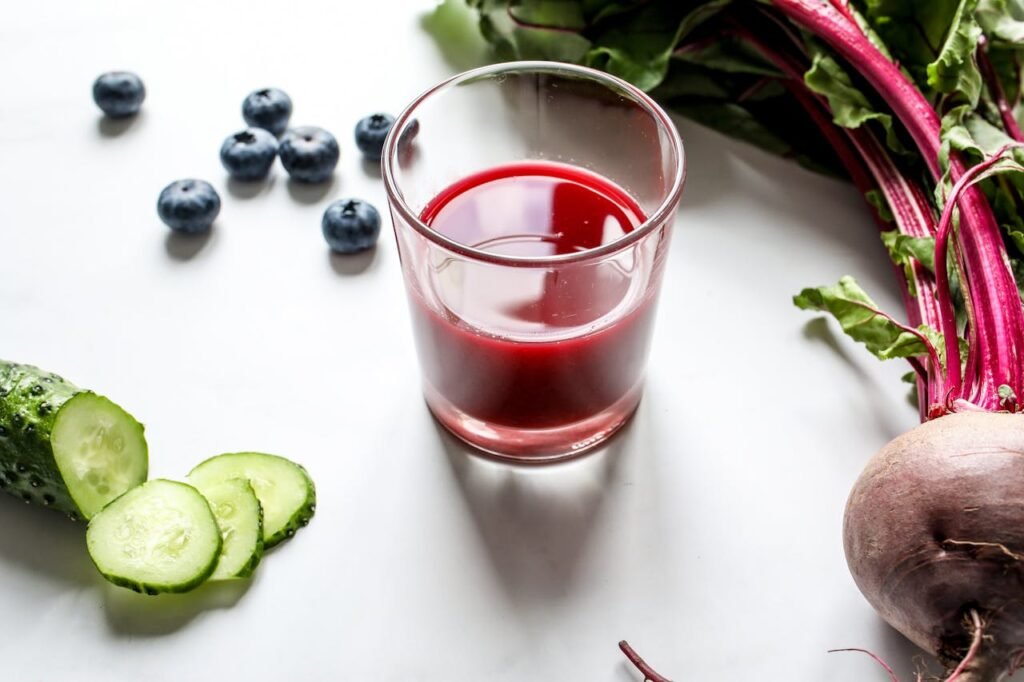
Comparison: Juicing vs. Whole Vegetables
To help you visualise the trade-offs, here is a comparison of how processing affects your vegetables.
| Feature | Eating Whole Vegetables | Juicing Vegetables |
|---|---|---|
| Fibre Content | High (Contains both soluble and insoluble fibre). | Very Low (Most fibre is removed with pulp). |
| Digestion Speed | Slow (Fibre regulates digestion). | Fast (Rapid absorption). |
| Blood Sugar Impact | Low (Stable release of energy). | Moderate to High (Depends on sugar content). |
| Satiety (Fullness) | High (Chewing promotes fullness). | Low (Liquid calories are less filling). |
| Nutrient Density | High (Nutrients bound in fibre matrix). | High (Concentrated, but some sensitive vitamins may degrade). |
| Convenience | Variable (Requires prep and cooking time). | High (Fast consumption, though cleaning juicers takes time). |
Tips for a Balanced Approach
If you enjoy juicing, there is no need to stop. It can be a fantastic way to supplement your diet, especially if you struggle to eat enough vegetables. However, it should probably not replace whole vegetables entirely. Here is how to do it safely and effectively.
1. Vegetable-Heavy Ratios
Aim for a ratio of 80% vegetables to 20% fruit. This keeps the sugar content lower while still making the drink palatable. Focus on leafy greens, cucumber, celery, and ginger, rather than relying heavily on apples or pineapples for sweetness.
2. Reuse the Pulp
Do not bin the fibre! You can stir the leftover pulp into soups, stews, or muffin batters. This allows you to reclaim the fibre you stripped away. The Association of UK Dietitians recommends finding creative ways to keep fibre in your diet to meet the recommended 30g daily intake.
3. Treat It as a Supplement
View juice as a nutritional “top-up” rather than a meal replacement. Have a small glass alongside a balanced breakfast containing protein and fats. This helps mitigate blood sugar spikes and ensures you are still getting the macronutrients your body needs.
4. Wash Produce Thoroughly
Because you are consuming raw produce, ensure everything is washed thoroughly to remove bacteria or pesticides. The Food Standards Agency provides guidelines on preparing raw vegetables safely to avoid contamination.
5. Consider Blending Instead
If your main goal is convenience but you want to keep the fibre, try blending instead of juicing. A high-powered blender breaks down the cell walls but keeps the pulp in the drink. This gives you the best of both worlds—drinkable convenience with fibre retention.
Frequently Asked Questions
Does juicing count towards my ‘5 A Day’?
Yes, but with limits. According to GOV.UK guidelines, a 150ml glass of fruit or vegetable juice counts as a maximum of one portion of your 5 A Day, regardless of how much you drink. This is because it lacks fibre and liberates sugars.
Is cold-pressed juice better than centrifugal?
Marketing often claims cold-pressed is superior due to lack of heat. While high heat can degrade some enzymes, the difference in nutritional value between the two methods is often negligible for the average consumer. The most important factor is the freshness of the vegetables.
Can juicing help detox the body?
Be wary of “detox” claims. Your liver and kidneys are highly efficient detoxification organs. There is no scientific evidence to suggest that a juice cleanse detoxifies the body more effectively than a healthy, balanced diet. Cancer Research UK notes that the body cleanses itself and specific diets are rarely the solution.
Will juicing help me lose weight?
It might lead to short-term weight loss due to a calorie deficit, but this is often water weight and muscle mass rather than fat. Sustainable weight loss requires protein and fibre, both of which are often lacking in pure juice diets. For a more sustainable approach, see this Healthline guide on juicing vs blending.
Are there risks to drinking too much green juice?
Yes. Some green vegetables, like spinach and kale, are high in oxalates. Consuming massive quantities of these in liquid form can potentially contribute to kidney stones in susceptible individuals. Variety is key.
The Bottom Line
Juicing is not a magic bullet, but it can be a valuable tool in your wellness arsenal. It offers a convenient way to boost your intake of vitamins and phytonutrients, particularly if you are “vegetable averse.”
However, it is not nutritionally superior to eating whole vegetables. The removal of fibre is a significant drawback, as fibre is crucial for gut health, blood sugar regulation, and satiety. Whole vegetables provide a complete package that nature intended.
The healthiest approach is likely a combination. Prioritise whole foods for your main meals to ensure you get adequate fibre, and use vegetable juice as an occasional, nutrient-packed supplement. By being mindful of sugar content and portion sizes, you can enjoy the vibrant benefits of juicing without missing out on the essential benefits of the whole plant.
Always consult with a healthcare professional before making drastic changes to your diet, especially if you have underlying health conditions. For more information on maintaining a balanced diet, resources like the British Nutrition Foundation are excellent places to start.