
Heart disease remains the leading cause of death globally, a statistic that underscores the urgent need for preventative care through lifestyle changes. While medical interventions are crucial, the foundation of cardiovascular wellness often begins on our plates. Among the myriad of dietary choices, one food group stands out for its potent, scientifically-backed efficacy: berries. Understanding the specific berries for heart health benefits can empower you to make delicious decisions that pay dividends for your longevity.
In this comprehensive guide, we will explore the bioactive compounds that make berries nutritional powerhouses, analyze specific fruits that support cardiovascular function, and provide practical ways to integrate them into your daily regimen.
The Science Behind the Sweetness: Why Berries?
It is easy to dismiss berries as merely nature’s candy, but beneath their vibrant skins lies a complex matrix of phytochemicals. The primary drivers of the heart-protective effects found in berries are flavonoids, specifically a subclass called anthocyanins. These are the pigments responsible for the deep reds, blues, and purples seen in strawberries, blueberries, and blackberries.
According to the National Institutes of Health (NIH), flavonoids possess strong antioxidant and anti-inflammatory properties. Chronic inflammation and oxidative stress are the twin engines driving atherosclerosis (hardening of the arteries). By neutralizing free radicals, the antioxidants in berries help protect the endothelial lining of your blood vessels, promoting better circulation and reduced arterial stiffness.
Top Berries for Cardiovascular Wellness
While almost all fruits offer nutritional value, certain berries have been studied extensively for their specific impact on the heart.
1. Blueberries: The King of Antioxidants
Blueberries are frequently cited in nutritional literature due to their high concentration of polyphenols. A growing body of evidence suggests that regular consumption of blueberries can assist in dilating arteries, which helps regulate blood pressure.
The American Heart Association has highlighted studies indicating that eating one cup of blueberries daily can improve blood vessel function and decrease systolic blood pressure. This makes them an essential component of the DASH (Dietary Approaches to Stop Hypertension) diet.
2. Strawberries: A Vessel for Vascular Health
Strawberries are rich in vitamin C, folate, and potassium. Beyond their vitamin profile, they are packed with ellagic acid and anthocyanins. Research from the Harvard T.H. Chan School of Public Health suggests that women who eat three or more servings of blueberries and strawberries per week may have a significantly lower risk of heart attack compared to those who eat them less frequently.
3. Raspberries: The Fiber Powerhouse
Fiber is often the unsung hero of heart health. Soluble fiber binds to cholesterol particles in the digestive system and moves them out of the body before they are absorbed. Raspberries are exceptionally high in dietary fiber—providing about 8 grams per cup.
According to the Mayo Clinic, a high-fiber diet is associated with a reduced risk of dying from cardiovascular disease. Raspberries also contain ketones, which are currently being studied for their role in obesity prevention, a major risk factor for heart issues.
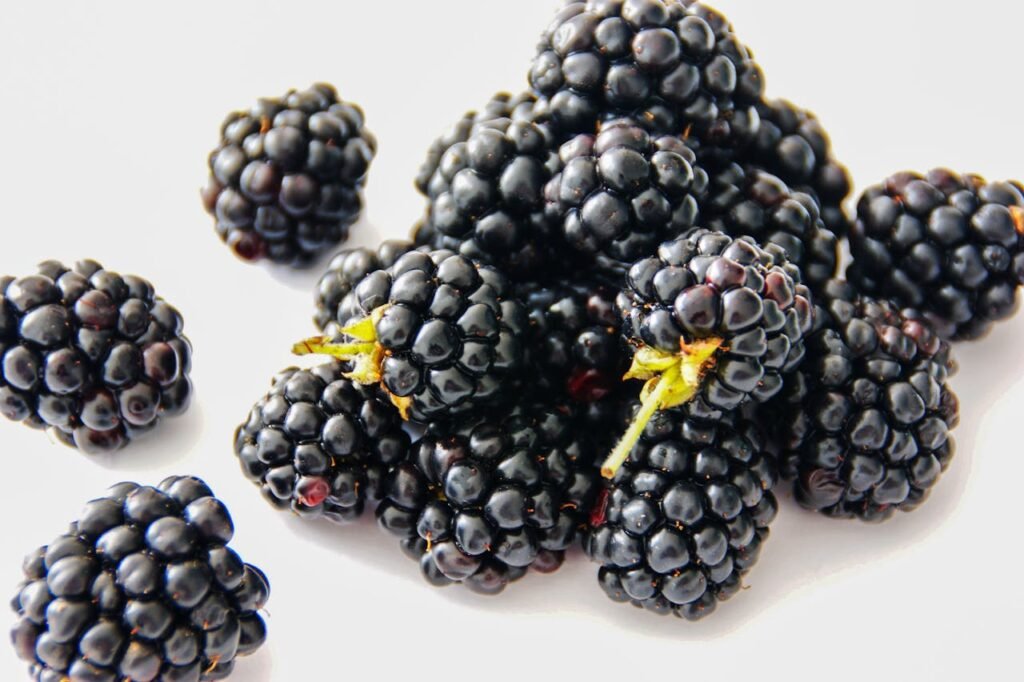
4. Blackberries and Acai: The Darker, The Better
The general rule of thumb in the berry world is: the darker the berry, the higher the antioxidant density. Blackberries and Acai berries are loaded with minerals like magnesium and potassium, which are critical for maintaining a steady heart rhythm.
Comparative Analysis: Nutrient Profiles of Common Berries
To help you understand which berries for heart health benefits might align best with your dietary needs, we have compiled a comparative table based on a standard one-cup serving.
| Berry Type | Fiber Content (approx.) | Vitamin C (% Daily Value) | Primary Heart Compound | Key Benefit |
|---|---|---|---|---|
| Raspberries | 8.0 g | 54% | Ellagic Acid | Cholesterol reduction via high fiber |
| Blueberries | 3.6 g | 24% | Anthocyanins | Blood pressure regulation & vessel elasticity |
| Strawberries | 3.0 g | 149% | Quercetin / Vit C | Reduced oxidative stress & inflammation |
| Blackberries | 7.6 g | 50% | Cyanidin | Improved endothelial function |
| Cranberries | 4.6 g | 22% | Proanthocyanidins | Increased HDL (Good Cholesterol) |
Mechanisms of Action: How They Protect You
Understanding that berries are good for you is different from understanding how they work. Here is a breakdown of the biological mechanisms.
Improving Endothelial Function
The endothelium is a thin membrane that lines the inside of the heart and blood vessels. Endothelial cells release substances that control vascular relaxation and contraction. When the endothelium is damaged (by smoking, high BP, or high sugar), atherosclerosis begins. The antioxidants in berries have been shown to reverse endothelial dysfunction, effectively helping arteries “relax.”
Regulating Cholesterol Levels
High levels of Low-Density Lipoprotein (LDL) cholesterol can lead to plaque buildup. Oxidation of LDL is particularly dangerous. The Cleveland Clinic notes that the antioxidants in berries can help prevent this oxidation process, thereby making LDL cholesterol less likely to stick to artery walls.
Managing Blood Pressure
Potassium is a vasodilator, meaning it relaxes blood vessels. Most berries provide a healthy dose of potassium, which counteracts the hypertensive effects of sodium. This is vital for reducing strain on the cardiovascular system.
Fresh vs. Frozen vs. Dried: Does it Matter?
A common question among consumers is whether they must buy expensive fresh berries to reap the rewards. The answer is encouraging.
- Frozen: Studies by the U.S. Department of Agriculture (USDA) indicate that frozen berries often retain their nutrient profile just as well, if not better, than fresh berries. This is because they are picked at peak ripeness and flash-frozen, locking in the anthocyanins.
- Fresh: Ideal when in season, but nutrient degradation can occur if they sit in transport or on shelves for too long.
- Dried: These should be consumed with caution. While they contain fiber, the sugar concentration is much higher by weight, and many manufacturers add extra sugar. Always check the label.
Practical Ways to Incorporate Berries
Integrating berries for heart health benefits doesn’t require a radical diet overhaul. Here are simple strategies:
- The Breakfast Boost: Add a half-cup of blueberries to your morning oatmeal or Greek yogurt. The protein in yogurt paired with the fiber in berries helps stabilize blood sugar.
- Smoothie Logic: Use frozen berry medleys as the ice component in your smoothies. This eliminates the need for sugary juices.
- Savory Applications: Berries aren’t just for dessert. Balsamic roasted strawberries make an excellent topper for grilled chicken or salads.
- Snack Replacement: Swap processed sugary snacks for a bowl of fresh raspberries.
For general fruit intake guidelines, the Centers for Disease Control and Prevention (CDC) recommends 1.5 to 2 cups of fruit daily for adults, making berries an efficient way to hit this target.
Potential Risks and Considerations
While berries are generally safe, those on blood-thinning medication (like Warfarin) should consult their doctor regarding their Vitamin K intake, though berries are generally lower in Vitamin K than leafy greens. Furthermore, individuals with kidney issues should monitor potassium intake.
Additionally, rely on whole foods rather than supplements. The National Center for Complementary and Integrative Health emphasizes that high-dose antioxidant supplements do not offer the same health benefits as whole foods and can sometimes be harmful.
Conclusion: A Berry Small Change for Big Results
The journey to a healthier heart is often viewed as a path of restriction—cutting out salt, reducing fats, and eliminating sugar. However, focusing on berries for heart health benefits offers a path of addition. By adding these flavorful, nutrient-dense fruits to your diet, you are actively utilizing nature’s pharmacy to lower blood pressure, reduce inflammation, and improve your cholesterol profile.
Start small. Pick up a bag of frozen blueberries or a pint of fresh strawberries during your next grocery run. Your heart, and your taste buds, will thank you.
Disclaimer: This article is for informational purposes only and does not constitute medical advice. Always consult with a healthcare professional or a registered dietitian before making significant changes to your diet, especially if you have pre-existing health conditions.