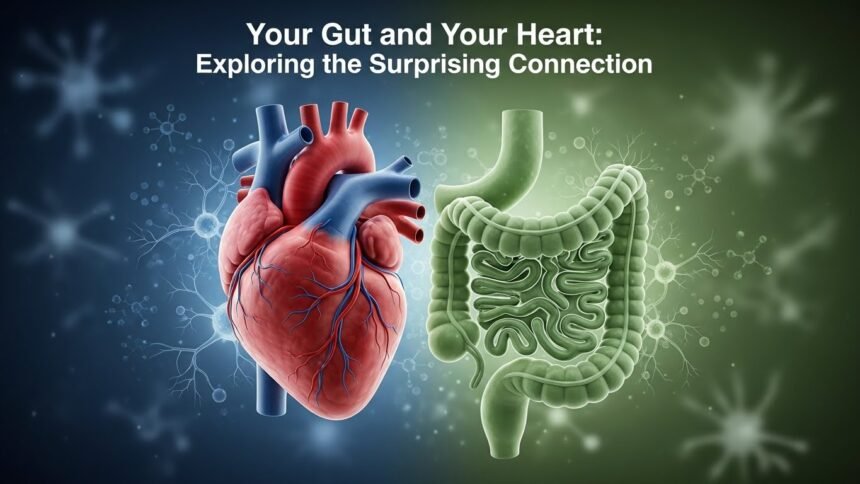
For decades, medical professionals viewed the cardiovascular system and the digestive system as distinct entities with separate functions. The heart pumped blood, and the gut digested food. However, emerging research has uncovered a profound biological dialogue between these two systems. The gut microbiome heart disease link is now one of the most exciting frontiers in cardiology and gastroenterology, reshaping how we understand overall health.
It turns out that the old adage, “The way to a man’s heart is through his stomach,” carries a literal scientific truth. The trillions of bacteria residing in your intestinal tract do far more than break down fiber; they produce chemicals that enter your bloodstream, influence your blood pressure, and even dictate the health of your arterial walls. This article delves into the complex relationship between your gut flora and your cardiovascular well-being.
The Microscopic Universe Within
To understand the connection, we must first look at the players. The human body plays host to a vast community of microorganisms, primarily bacteria, viruses, fungi, and protozoa, collectively known as the microbiome. While these microbes exist all over the body, the largest concentration resides in the large intestine.
According to the National Human Genome Research Institute, the microbiome consists of trillions of cells, outnumbering human cells in many respects. In a healthy individual, these microbes exist in a symbiotic relationship with the host. They assist in synthesizing vitamins (like Vitamin K and B12), training the immune system, and digesting complex carbohydrates. However, when the balance of these microbes is disturbed—a state known as dysbiosis—it can trigger a cascade of negative health outcomes that extend far beyond the digestive tract.
TMAO: The Molecular Messenger of Risk
Perhaps the most significant discovery regarding the gut microbiome heart disease link is a compound called Trimethylamine N-oxide (TMAO). This metabolite has become a focal point for researchers studying atherosclerosis (hardening of the arteries).
The process begins when you consume foods high in choline, lecithin, and L-carnitine—nutrients abundant in red meat, eggs, and full-fat dairy products. Specific bacteria in your gut feast on these nutrients and convert them into a compound called trimethylamine (TMA). The liver then oxidizes TMA into TMAO.
Research from the Cleveland Clinic has shown that high levels of TMAO are a strong predictor of future cardiovascular events, such as heart attack and stroke. TMAO appears to promote the accumulation of cholesterol in the arteries and increase the stickiness of platelets, raising the risk of blood clots. This mechanism explains why red meat consumption is often correlated with heart disease, not just due to saturated fat, but because of how our gut bacteria process it.
Inflammation: The Silent Killer
Chronic inflammation is a well-established driver of heart disease. It damages blood vessels and promotes the buildup of plaque. Your gut health plays a pivotal role in regulating systemic inflammation.
The intestinal wall acts as a selective barrier, allowing nutrients to pass into the bloodstream while keeping harmful bacteria and toxins out. However, dysbiosis can weaken this barrier, leading to a condition often called “leaky gut” or increased intestinal permeability. When this happens, bacterial components, specifically lipopolysaccharides (LPS), escape into the bloodstream.
The immune system recognizes LPS as an invader and launches an inflammatory response. According to Harvard Health, this low-grade, chronic inflammation can accelerate the progression of cardiovascular disease and heart failure. By maintaining a diverse and healthy microbiome, we strengthen the gut barrier, keeping these inflammatory triggers contained.

The Hypertension Connection: Short-Chain Fatty Acids
It is not all bad news. Just as some bacteria produce harmful TMAO, others produce beneficial compounds known as Short-Chain Fatty Acids (SCFAs), such as butyrate, acetate, and propionate. These are produced when gut bacteria ferment dietary fiber.
SCFAs have been shown to lower blood pressure, a major risk factor for heart attacks. They achieve this by acting on specific receptors in blood vessels to induce relaxation (vasodilation) and by modulating the kidneys’ release of renin, an enzyme that controls blood pressure. A study published in the National Library of Medicine highlights that higher circulating levels of SCFAs are associated with reduced blood pressure and improved metabolic health.
Comparative Analysis: Gut Metabolites and Heart Health
The following table illustrates how different dietary inputs are processed by the microbiome and their subsequent impact on cardiovascular health.
| Dietary Input | Primary Nutrient | Gut Metabolite Produced | Cardiovascular Impact |
|---|---|---|---|
| Red Meat & Eggs | L-Carnitine / Choline | TMAO (Trimethylamine N-oxide) | Negative: Promotes plaque buildup (atherosclerosis) and blood clots. |
| Oats, Beans, Legumes | Soluble Fiber | Butyrate (SCFA) | Positive: Reduces inflammation, strengthens gut barrier, lowers blood pressure. |
| Processed Foods | Refined Sugars | Endotoxins (LPS) | Negative: Increases intestinal permeability (leaky gut) leading to systemic inflammation. |
| Fatty Fish | Omega-3s | Resolvins (indirectly modulated) | Positive: Increases microbiome diversity and reduces arterial stiffness. |
| Fermented Foods | Probiotics | Lactic Acid | Positive: Lowers cholesterol and modulates immune response. |
The Role of Antibiotics and Medications
While antibiotics are life-saving drugs, their overuse can decimate the gut microbiome, killing beneficial bacteria alongside harmful ones. This disruption can last for months or even years. Epidemiological studies referenced by the Centers for Disease Control and Prevention (CDC) suggest that long-term alterations in gut flora due to frequent antibiotic use in early/middle life may correlate with a slightly higher risk of cardiovascular issues later, largely due to the loss of biodiversity.
Conversely, some heart medications may actually improve gut health. Statins, used to lower cholesterol, have been found to alter the microbiome composition, potentially inhibiting bacteria that drive inflammation. This suggests a bidirectional relationship: the gut affects the drugs, and the drugs affect the gut.
Strategies to Cultivate a Heart-Healthy Microbiome
Understanding the gut microbiome heart disease link empowers us to make proactive lifestyle changes. We can essentially “garden” our gut to protect our heart.
1. Embrace the Mediterranean Diet
The American Heart Association consistently ranks the Mediterranean diet as top-tier for heart health. High in fruits, vegetables, whole grains, and healthy fats, this diet provides the fiber necessary for SCFA production while limiting the red meat that drives TMAO production.
2. Prioritize Prebiotics and Probiotics
- Probiotics: These are live beneficial bacteria found in fermented foods like yogurt, kefir, sauerkraut, and kimchi. They can temporarily boost the population of good bacteria.
- Prebiotics: These are non-digestible fibers that feed the good bacteria. Sources include garlic, onions, asparagus, bananas, and whole grains. According to the Mayo Clinic, a combination of both is essential for a thriving ecosystem.
3. Limit Artificial Sweeteners
Recent studies suggest that certain artificial sweeteners may negatively alter gut bacteria diversity and glucose intolerance, indirectly stressing the cardiovascular system. Opting for natural sources of sweetness or whole fruits is a safer bet for gut integrity.
4. Manage Stress
The “gut-brain axis” is well documented, but stress also impacts the heart through the gut. Stress hormones can alter the composition of gut bacteria, increasing permeability. Techniques recommended by Johns Hopkins Medicine such as meditation and yoga can dampen this stress response, protecting both the gut and the heart.
The Oral-Gut-Heart Connection
It is worth noting that the microbiome isn’t limited to the colon. The oral microbiome is the gatekeeper of the digestive tract. Gum disease (periodontitis) is linked to an increased risk of heart disease. Bacteria from infected gums can travel to the gut or directly into the bloodstream, contributing to inflammation and valve infections. The World Health Organization emphasizes that maintaining oral hygiene is a critical component of preventing noncommunicable diseases, including cardiovascular issues.
Conclusion: Trust Your Gut to Save Your Heart
The science is clear: the road to a strong heart is paved with a diverse, well-fed microbiome. The gut microbiome heart disease link highlights that we cannot treat the heart in isolation. Every meal we eat is a vote for the type of bacteria we want to cultivate—those that protect our arteries or those that damage them.
By reducing the intake of processed foods and red meat while increasing fiber and fermented foods, you do more than just improve digestion. You lower systemic inflammation, reduce blood pressure, and decrease the risk of atherosclerosis. If you are concerned about your heart health, consider consulting with a cardiologist and a dietitian to develop a plan that nurtures your “second brain” to protect your ticker. Small changes in your diet today can yield massive dividends for your heart tomorrow.