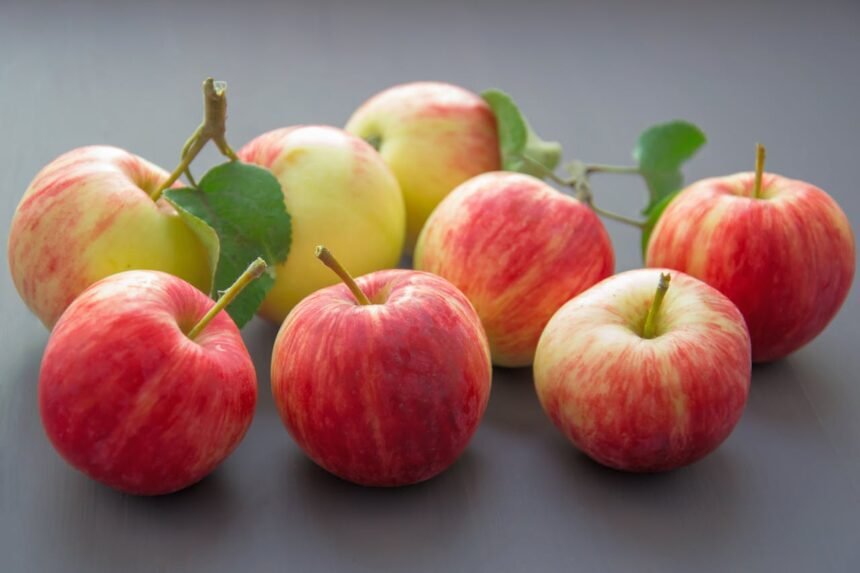
When we think of a crisp, refreshing, on-the-go snack, the old adage points us toward the common apple. While apples certainly deserve their place in the pantheon of healthy fruits, there is a golden, speckled contender that offers a unique textural experience and a powerhouse of nutrition: the Asian pear.
Often called Nashi pears, apple pears, or sand pears, these fruits belong to the species Pyrus pyrifolia. Unlike their European cousins (such as the Bartlett or Bosc), which are soft and melting, Asian pears are prized for their high water content and a crispness that rivals the crunchiest Fuji apple. However, their value extends far beyond their delightful texture. In this comprehensive guide, we will peel back the skin to reveal the hidden benefits of Asian pears, exploring why this ancient fruit deserves a prime spot in your fruit bowl.
What Exactly is an Asian Pear?
Originating in East Asia, specifically China, Japan, and Korea, the Asian pear has been cultivated for over 3,000 years. They are structurally different from European pears. While European varieties are typically harvested while hard and allowed to ripen (and soften) off the tree, Asian pears ripen on the tree and are harvested when they are ready to eat.
According to the Encyclopaedia Britannica, these fruits are distinct for their round shape and firm texture. Because they maintain their firmness, they are often used more like vegetables in Asian cuisine or eaten raw like apples, rather than being baked into pies where they might retain too much crunch for traditional Western palates.
The Nutritional Powerhouse
To understand the health advantages, we must first look at the raw data. Asian pears are low in calories but dense in essential nutrients. A standard medium-sized fruit provides a significant portion of your daily dietary fiber requirements, along with vital micronutrients.
Nutritional Comparison: Asian Pear vs. Apple vs. European Pear
The following table illustrates how the Asian pear stacks up against its popular counterparts (based on a standard 100g serving):
| Nutrient | Asian Pear (100g) | Apple (Fuji, 100g) | European Pear (Bartlett, 100g) |
|---|---|---|---|
| Calories | 42 kcal | 52 kcal | 57 kcal |
| Water Content | 88.3% | 85.6% | 84% |
| Dietary Fiber | 3.6 g | 2.4 g | 3.1 g |
| Sugars | 7.0 g | 10.0 g | 9.8 g |
| Vitamin C | 3.8 mg | 4.6 mg | 4.3 mg |
| Potassium | 121 mg | 107 mg | 116 mg |
| Vitamin K | 4.5 mcg | 2.2 mcg | 4.4 mcg |
Data Sources: USDA FoodData Central
As the data suggests, the Asian pear is lower in calories and sugar than both apples and European pears while boasting superior fiber content and hydration levels.
Unveiling the Hidden Benefits of Asian Pears
While the crisp taste is the immediate draw, the physiological impacts of consuming this fruit are profound. Here are the key health benefits supported by science.
1. The Ultimate Hangover Remedy
One of the most surprising and unique hidden benefits of Asian pears is their potential to alleviate hangovers. This is not merely folklore; it is backed by scientific inquiry.
Researchers at the CSIRO (Commonwealth Scientific and Industrial Research Organisation), Australia’s national science agency, discovered that consuming Asian pear juice before drinking alcohol can significantly reduce hangover symptoms. The study suggested that enzymes in the pear help speed up the metabolism of alcohol and slightly inhibit the absorption of alcohol into the bloodstream.
Key Takeaway: To see this benefit, you must consume the pear or its juice before the alcohol touches your lips. It acts as a preventative measure rather than a cure after the damage is done.
2. Superior Digestive Health
Fiber is the cornerstone of digestive health, yet most adults fail to meet the recommended daily intake. Asian pears are exceptionally high in dietary fiber, specifically pectin, a type of soluble fiber.
According to the Mayo Clinic, a high-fiber diet helps normalize bowel movements, lower cholesterol levels, and control blood sugar levels. A single large Asian pear can provide nearly 40% of the recommended daily allowance (RDA) of fiber. This high fiber content aids in:
- Preventing Constipation: Adding bulk to the stool.
- Gut Microbiome Health: Acting as a prebiotic to feed healthy gut bacteria.
- Satiety: Keeping you fuller for longer, which aids in weight management.
3. Blood Sugar Regulation
Despite their sweet, floral flavor, Asian pears have a low Glycemic Index (GI). This is largely due to their high fiber content, which slows the absorption of carbohydrates into the bloodstream.
For individuals managing diabetes or insulin sensitivity, low-GI fruits are essential. The American Diabetes Association notes that fiber-rich fruits can be enjoyed as part of a balanced diet without causing the sharp glucose spikes associated with processed sugary snacks or lower-fiber fruits.
4. Heart Health and Potassium
Cardiovascular disease remains a leading global health concern. Asian pears contribute to heart health through two primary mechanisms: fiber and potassium.
We have already established that soluble fiber lowers LDL (bad) cholesterol. However, the potassium content in Asian pears is equally vital. Potassium acts as a vasodilator, helping to relax blood vessels and lower blood pressure. The American Heart Association emphasizes that foods rich in potassium can help offset the negative effects of sodium in the diet.
5. Bone Health and Blood Health
Asian pears contain Vitamin K and copper, nutrients often overlooked in standard multivitamins.
- Vitamin K: Essential for bone metabolism and regulating blood calcium levels. According to the Harvard T.H. Chan School of Public Health, Vitamin K is critical for the production of proteins required for blood clotting and building bones.
- Copper: This trace mineral is vital for the formation of red blood cells. It works in tandem with iron to prevent anemia and maintain healthy bones, blood vessels, and nerves. Information from Mount Sinai indicates that copper deficiency can lead to brittle bones and fatigue.
Culinary Versatility: How to Use Asian Pears
Unlike European pears, Asian pears are best eaten raw. Cooking them can sometimes diminish their unique textural appeal, although they hold their shape well if poached.
- Salads: Their crunch makes them an excellent alternative to croutons or apples in green salads. They pair beautifully with arugula, walnuts, and goat cheese.
- Marinades: In Korean cuisine, grated Asian pear is a secret ingredient in beef marinades (Bulgogi). The enzymes in the fruit, specifically calpain, act as a fantastic meat tenderizer.
- Cheese Boards: The high water content and mild sweetness act as a palate cleanser, pairing perfectly with sharp cheddars or creamy bries.
Selection and Storage
When shopping for Asian pears, look for fruits that are firm and heavy for their size. Unlike other pears, they should not yield to thumb pressure. The skin is naturally speckled, which is normal and not a sign of damage.
Because they are harvested ripe, they can be eaten immediately. However, they are incredibly shelf-stable. According to Oregon State University Extension, Asian pears can be stored in the refrigerator for up to three months, maintaining their crispness far longer than apples.
Conclusion
While the apple may keep the doctor away, the Asian pear offers a sophisticated, hydration-rich, and nutrient-dense alternative that warrants attention. From its role as a pre-emptive hangover cure to its impressive fiber content that supports heart and digestive health, the hidden benefits of Asian pears are substantial.
Next time you are in the produce aisle, look past the standard varieties and reach for the speckled, golden Nashi. Your palate—and your body—will thank you.
Ready to boost your fiber intake? Try slicing an Asian pear into your morning oatmeal or toss it into a spinach salad for lunch today.