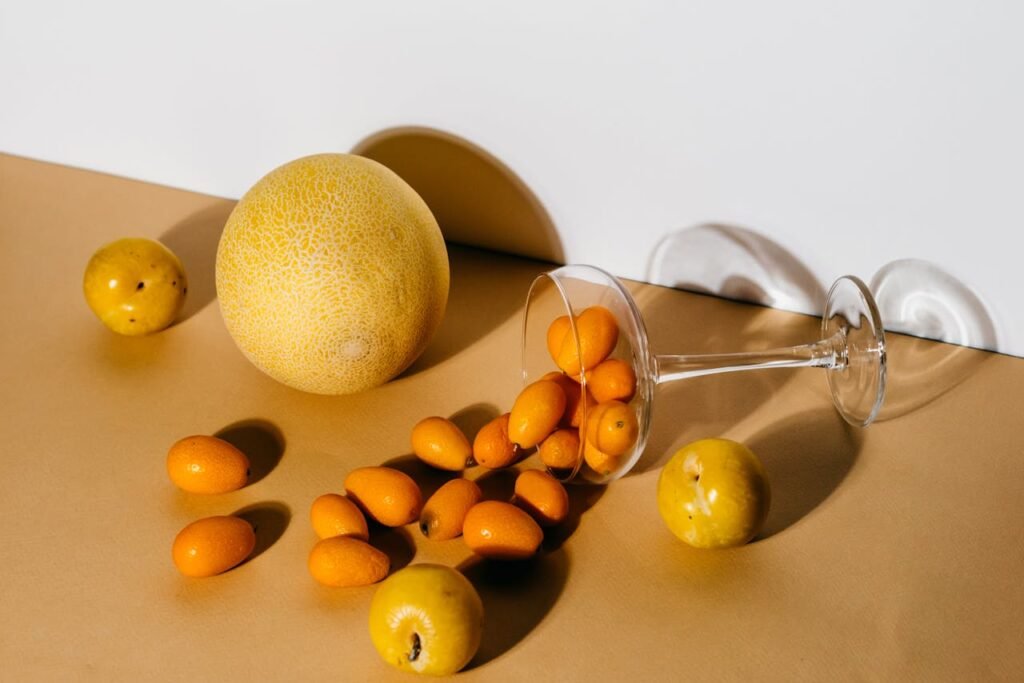
In the vast, colorful world of citrus fruits, oranges and lemons often steal the spotlight. However, nestled among the familiar giants of the produce aisle is a diminutive powerhouse that punches well above its weight class: the kumquat. Resembling a grape-sized orange, this unique fruit offers a distinct culinary experience and a nutritional profile that rivals its larger cousins. Exploring kumquats diet benefits reveals why this often-overlooked gem should be a staple in your nutritional repertoire.
Unlike traditional citrus where the peel is discarded, the kumquat is designed by nature to be eaten whole—skin and all. This unique characteristic not only provides an explosion of contrasting flavors—sweet skin and tart flesh—but also unlocks a treasure trove of nutrients often lost in other fruits. In this comprehensive guide, we will delve into the science, history, and culinary versatility of kumquats.
A Botanical Overview: What Exactly is a Kumquat?
Kumquats were historically classified under the genus Citrus until 1915 when they were moved to their own genus, Fortunella, named after the horticulturalist Robert Fortune who introduced them to Europe. While modern botanical classification often debates their placement, their impact on health is undisputed. Native to Southeast Asia, particularly China, they have been cultivated for centuries.
According to the Encyclopedia Britannica, the most common varieties found in Western markets are the Nagami (oval-shaped) and the Meiwa (round and sweeter). The defining feature of the kumquat is its edible rind, which is where the majority of the essential oils and flavonoids reside.
The Nutritional Profile: Small Fruit, Big Impact
To understand the kumquats diet benefits, one must look at the raw data. These fruits are nutrient-dense, meaning they provide a high amount of vitamins and minerals relative to their calorie count. They are particularly renowned for their Vitamin C content, but their fiber density is what truly sets them apart.
Key Nutrients Breakdown
- Vitamin C: Essential for immune function and collagen synthesis.
- Dietary Fiber: Crucial for digestive health and blood sugar regulation.
- Water Content: High hydration capability, comprising about 80% of the fruit’s weight.
- Antioxidants: Rich in flavonoids like margaritene and fortunellin.
According to USDA FoodData Central, a 100-gram serving of raw kumquats provides roughly 73% of the Daily Value (DV) for Vitamin C. This makes them a formidable ally during cold and flu season.
Comparative Analysis: Kumquats vs. Navel Oranges
It is helpful to compare kumquats to a standard benchmark, such as the navel orange, to appreciate their unique value. The table below highlights the differences, particularly emphasizing the fiber content due to the consumption of the peel.
| Nutrient (per 100g) | Kumquats (Raw) | Navel Oranges (Raw) | The Kumquat Advantage |
|---|---|---|---|
| Calories | 71 kcal | 52 kcal | Higher energy density for active individuals. |
| Carbohydrates | 15.9 g | 11.8 g | Provides sustained energy. |
| Dietary Fiber | 6.5 g | 2.4 g | Almost 3x the fiber due to edible skin. |
| Vitamin C | 43.9 mg | 53.2 mg | Comparable immune support. |
| Water Content | 80% | 86% | Slightly more concentrated nutrients. |
Data sourced from USDA nutritional databases.
Deep Dive into Health Benefits
1. Superior Immune System Support
As with most citrus, kumquats are an excellent source of ascorbic acid (Vitamin C). The National Institutes of Health (NIH) confirms that Vitamin C is a potent antioxidant that regenerates other antioxidants within the body, such as Vitamin E. Regular consumption contributes to the body’s defense against pathogens and oxidative stress.
2. Digestive Health and Fiber Density
Perhaps the most significant of the kumquats diet benefits is the fiber content. Because you eat the peel, you consume complex polysaccharides that would otherwise be composted. Fiber is essential for maintaining bowel health and lowering cholesterol levels. The Mayo Clinic notes that a high-fiber diet can help lower the risk of developing hemorrhoids and diverticular disease.
3. Antioxidant and Anti-Inflammatory Properties
The peel of the kumquat is rich in essential oils, specifically limonene and pinene, as well as flavonoids. Research published in PubMed Central suggests that citrus flavonoids exhibit strong anti-inflammatory and anticancer properties. These compounds help neutralize free radicals, which are unstable atoms that can damage cells, causing illness and aging.
4. Blood Sugar Regulation
Despite their sweet taste, kumquats have a relatively low glycemic load, largely due to their high fiber content. Fiber slows the absorption of sugar into the bloodstream, preventing dangerous spikes in blood glucose. The American Diabetes Association encourages the consumption of whole fruits over juices to maximize fiber intake and manage glycemic control.
5. Weight Management
Kumquats are a hydrating, filling, and low-calorie snack. The high water and fiber content promote satiety, reducing the likelihood of overeating. Incorporating them into a balanced diet aligns with recommendations from the Centers for Disease Control and Prevention (CDC) regarding the role of volumetrics in weight management.
The Power of the Peel: A Unique Advantage
In most citrus fruits, the peel is bitter and inedible. In kumquats, the peel is the sweetest part. This botanical anomaly encourages consumers to eat the fruit whole. The peel is where high concentrations of essential oils and plant compounds are found.
For example, Limonene, a major component of the oil in citrus peels, has been studied for its potential to help alleviate heartburn and gastrointestinal reflux. By tossing the peel, as one does with a mandarin, you miss out on these therapeutic compounds. Leading cancer centers, such as Memorial Sloan Kettering, have acknowledged the ongoing research into D-limonene for its chemopreventive activities.
Culinary Versatility: How to Eat Kumquats
Integrating kumquats into your diet is surprisingly easy. Their complex flavor profile—sweet rind, tart juice—makes them versatile in both savory and sweet dishes.
- Raw Snacking: Wash them and pop them in your mouth. The initial burst is tart, quickly neutralized by the sugary skin. Roll the fruit between your fingers before eating to release the essential oils.
- Salads: Slice them into rounds to add a zesty brightness to spinach or kale salads. They pair exceptionally well with bitter greens and vinaigrettes.
- Marmalades and Preserves: Their high pectin content makes them ideal for jams without the need for excessive added gelling agents.
- Roasting: Roast them alongside chicken or fish. The heat caramelizes the sugars in the skin, creating a sophisticated glaze.
For creative inspiration, reputable culinary sites like Epicurious offer extensive recipe libraries dedicated to this fruit.
Selection and Storage Tips
To maximize the kumquats diet benefits, you must select fresh, high-quality fruit.
- Appearance: Look for firm fruits with bright orange skin. Avoid any with green patches (unripe) or bruises.
- Texture: The skin should be smooth and taut. Shriveled skin indicates age and moisture loss.
- Storage: Kumquats have a shorter shelf life than oranges because of their thin skin. They can be kept at room temperature for a few days but should be refrigerated in a sealed bag for up to two weeks.
Always ensure you wash the fruit thoroughly under running water before consumption, as you are eating the skin. Guidelines on produce safety can be found via the U.S. Food and Drug Administration (FDA).
Potential Risks and Precautions
While generally safe, there are minor considerations. Because kumquats are citrus fruits, those with allergies to oranges or lemons should avoid them. Additionally, the citric acid can erode tooth enamel if consumed in excess, so it is wise to rinse your mouth with water after eating them.
Furthermore, the fiber content is high. If your current diet is low in fiber, introduce kumquats gradually to avoid digestive discomfort, a standard recommendation supported by Harvard T.H. Chan School of Public Health.
Conclusion
The kumquat is more than just a decorative garnish or a novelty fruit; it is a nutritional heavy hitter that offers a unique combination of flavonoids, fiber, and Vitamin C. By eating the skin, you unlock a spectrum of health benefits ranging from improved digestion to enhanced immune defense.
As you look to diversify your fruit intake, consider the kumquats diet benefits. These “unsung heroes” provide a burst of flavor and wellness in a bite-sized package. Next time you are in the produce aisle, bypass the standard oranges and reach for the kumquats—your body will thank you.
Ready to boost your health? Start by adding a handful of kumquats to your next grocery list and experience the sweet-tart revolution yourself.