In a world driven by information overload and constant connectivity, “brain fog” has become a common complaint. It manifests as a lack of focus, memory lapses, and a general feeling of mental fatigue. While sleep and stress management are critical, nutrition plays an often-underestimated role in how our brains function. Specifically, the inclusion of fruits for cognitive health in your daily diet can be a game-changer for mental clarity and long-term neuroprotection.
The brain is an energy-intensive organ, consuming about 20% of the body’s total energy expenditure. It requires a steady supply of fuel and protective micronutrients to operate at peak performance. This article delves into the science of neuronutrition, identifying specific fruits that can help clear the fog and sharpen your mind.
The Science: Why Fruit Matters for the Brain
To understand how fruits aid the brain, we must look at the biological enemies of cognitive function: oxidative stress and inflammation. As we age, or when we are under stress, our bodies produce free radicals—unstable molecules that damage cells. The brain is particularly susceptible to this damage due to its high oxygen consumption.
Fruits are the primary source of antioxidants, compounds that neutralize free radicals. According to the National Institutes of Health (NIH), a diet rich in antioxidants is linked to a slower rate of cognitive decline. Furthermore, many fruits contain flavonoids and polyphenols, chemical compounds that can cross the blood-brain barrier to exert anti-inflammatory effects directly on neural tissue.
The Gut-Brain Axis Connection
Recent research has also highlighted the “gut-brain axis,” a bidirectional communication network between the gastrointestinal tract and the central nervous system. High-fiber fruits support a healthy microbiome. A balanced gut microbiome produces neurotransmitters like serotonin, which regulates mood and cognition. As detailed by Harvard Health Publishing, keeping your gut healthy is a prerequisite for keeping your brain sharp.
Top Fruits for Cognitive Health
While general fruit consumption is beneficial, specific fruits possess unique nutrient profiles that target brain function more effectively. Here are the heavy hitters in the world of neuronutrition.
1. Blueberries: The Memory Superfood
If there is one fruit that reigns supreme in cognitive health discussions, it is the blueberry. These small berries are packed with anthocyanins, a group of plant compounds with powerful anti-inflammatory and antioxidant effects.
Research published in various nutritional journals suggests that anthocyanins can increase blood flow to the brain and activate brain areas linked to cognitive function. The Alzheimer’s Association notes that diets rich in berries may lower the risk of developing cognitive impairment. Regular consumption has been linked to improvements in memory recall and executive function.
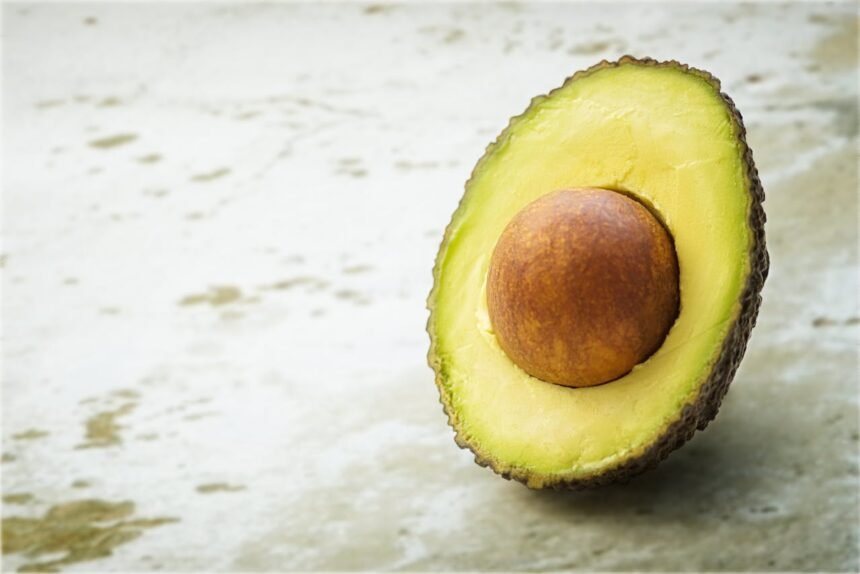
2. Avocados: Healthy Fats for Sustained Focus
Biologically classified as a fruit, the avocado is unique due to its high monounsaturated fat content. These healthy fats contribute to healthy blood flow, and a healthy blood flow promotes a healthy brain.
Avocados also lower blood pressure, which is crucial because hypertension is a risk factor for cognitive decline. According to the American Heart Association, replacing saturated fats with monounsaturated fats reduces the risk of stroke and heart disease, indirectly protecting brain architecture.
3. Oranges: Vitamin C and Mental Agility
Vitamin C is a well-known immunity booster, but its role in brain health is vital. Vitamin C is a powerful antioxidant that helps fight off the free radicals that can damage brain cells. Furthermore, Vitamin C supports overall brain health as you age, potentially protecting against conditions like depressive disorder and anxiety.
One medium orange can provide almost all the vitamin C you need in a day. The Mayo Clinic emphasizes that getting vitamins from whole foods is generally superior to supplementation due to the synergistic effects of other compounds found in the fruit.
4. Pomegranates: Neuroprotection
Pomegranates are rich in a specific type of antioxidant called ellagitannins. When consumed, gut bacteria convert these into urolithin A, a compound that has been shown to protect the brain from neuroinflammation. Studies suggest that pomegranate juice may help with memory retention and even reduce the buildup of amyloid plaques, which are associated with Alzheimer’s disease.
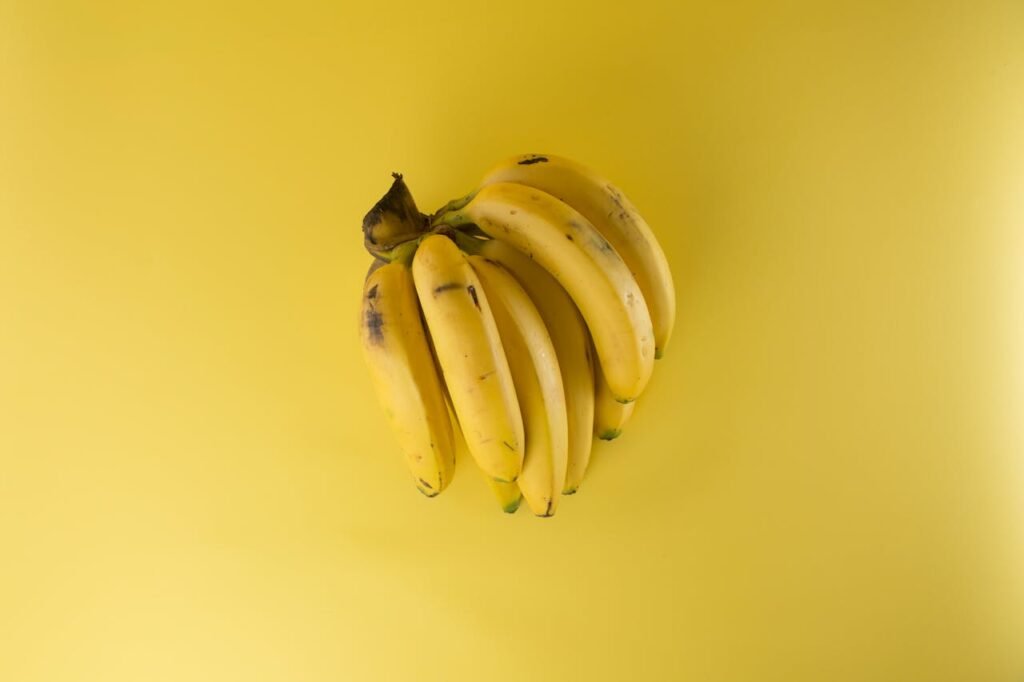
5. Bananas: Potassium and Quick Energy
Brain fog is often the result of low glucose levels or fatigue. Bananas provide a quick, easily digestible source of glucose, the brain’s primary fuel source. Moreover, they are rich in potassium. Potassium is essential for transmitting electrical signals within the nervous system and the brain. A study referenced by Psychology Today discusses how food affects mood and mental clarity, highlighting potassium’s role in neural communication.
Nutrient Profile Comparison
To help you visualize how different fruits for cognitive health stack up, the table below compares their primary active compounds and specific brain benefits.
| Fruit | Primary Active Compound | Key Micronutrients | Specific Cognitive Benefit |
|---|---|---|---|
| Blueberries | Anthocyanins | Vitamin K, Manganese | Improves memory recall and delays cognitive aging. |
| Avocados | Monounsaturated Fats | Folate, Vitamin E | Enhances blood flow and supports neural cell membrane integrity. |
| Oranges | Ascorbic Acid (Vit C) | Potassium, Thiamine | Protects against age-related decline and oxidative stress. |
| Pomegranates | Ellagitannins | Vitamin C, Vitamin K | Reduces neuroinflammation and may fight amyloid plaque buildup. |
| Bananas | Glucose (Natural) | Potassium, Vitamin B6 | Provides immediate brain fuel and aids neural signaling. |
| Grapes | Resveratrol | Copper, Vitamin K | May improve blood flow to the brain and mood. |
Integrating These Fruits into a Brain-Boosting Diet
Knowing which fruits to eat is step one; integrating them consistently is step two. To maximize the benefits of fruits for cognitive health, consider the timing and combination of your intake.
Synergistic Pairings
Nutrients often work better together. For example, the fat-soluble vitamins (like Vitamin K and E found in berries and avocados) require dietary fat for optimal absorption.
- The Brain Salad: Toss spinach (Vitamin K) with strawberries and walnuts. The fats in walnuts help absorb the nutrients in the fruit and greens.
- The Neuro-Smoothie: Blend blueberries with half an avocado. The creaminess of the avocado replaces yogurt, and its fats help deliver the anthocyanins to your system.
Timing for Mental Clarity
If you experience an afternoon slump (a common time for brain fog), reach for a banana or an orange rather than caffeine. The natural sugars provide a steady energy release without the crash associated with processed sugar or the jitters from excess caffeine. The Centers for Disease Control and Prevention (CDC) recommends replacing high-calorie snacks with fruits to maintain steady blood sugar levels, which is crucial for sustained focus.
Lifestyle Factors That Amplify Results
Eating the right fruit is powerful, but it is not a magic bullet. Cognitive health is holistic. To truly banish brain fog, you must combine nutrition with other healthy habits.
Hydration
Even mild dehydration can lead to cognitive impairment. Many fruits, such as watermelon and strawberries, have high water content and contribute to hydration. According to the USDA, water is a critical nutrient often overlooked in cognitive performance discussions.
Sleep
The brain cleanses itself of toxins primarily during sleep. No amount of blueberries can fully compensate for chronic sleep deprivation. The Sleep Foundation suggests that certain fruits, like tart cherries (which contain melatonin), can actually help improve sleep quality, thereby indirectly boosting brain function the next day.
Physical Exercise
Exercise increases heart rate, which pumps more oxygen to the brain. It also aids the release of hormones which provide an excellent environment for the growth of brain cells. As noted by Johns Hopkins Medicine, exercise changes the brain in ways that protect memory and thinking skills.
Conclusion
Clearing the fog and achieving mental sharpness is a journey that begins on your plate. By consciously incorporating specific fruits for cognitive health—such as blueberries, avocados, and oranges—you provide your brain with the armor it needs to fight oxidative stress and the fuel it requires for focus.
These natural foods offer a complex matrix of vitamins, minerals, and phytonutrients that supplements simply cannot replicate. Start small: add berries to your morning oats, slice an avocado for lunch, or enjoy a pomegranate as a dessert. Your brain will thank you with sharper focus, better memory, and improved long-term health.
Ready to optimize your nutrition? Consult with a registered dietitian or explore the Academy of Nutrition and Dietetics to create a personalized plan that supports your cognitive goals today.