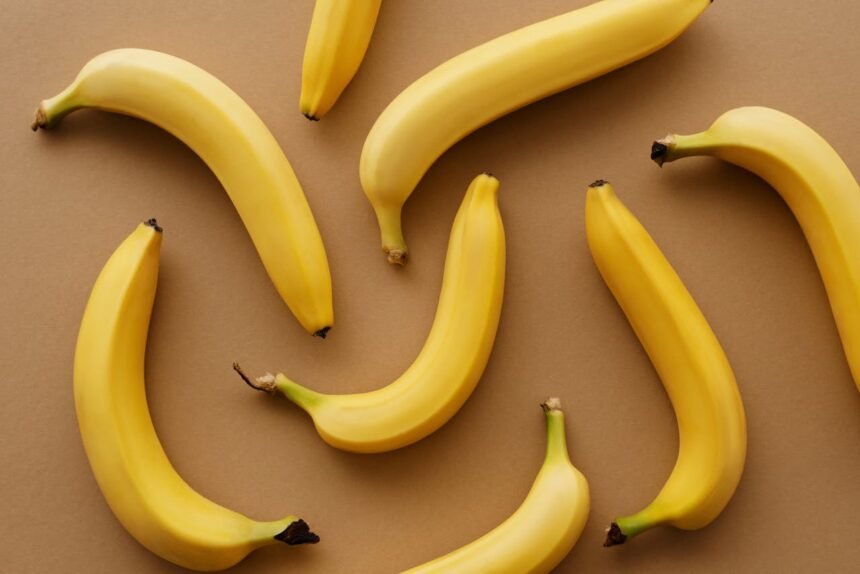
Most of us wait patiently for bananas to turn that perfect shade of yellow, perhaps even letting them develop a few brown spots for maximum sweetness. We have been conditioned to believe that ripe fruit is the best fruit. However, when it comes to digestive wellness and metabolic stability, skipping the ripening process might just be the secret weapon your body needs.
While the culinary world prizes the sugar-rich yellow banana, nutritional science is increasingly turning its gaze toward its chalky, green predecessor. This article explores the underripe bananas probiotic connection, demystifying how this specific stage of fruit maturity can revolutionize your gut microbiome.
The Green vs. Yellow Dilemma: A Nutritional Shift
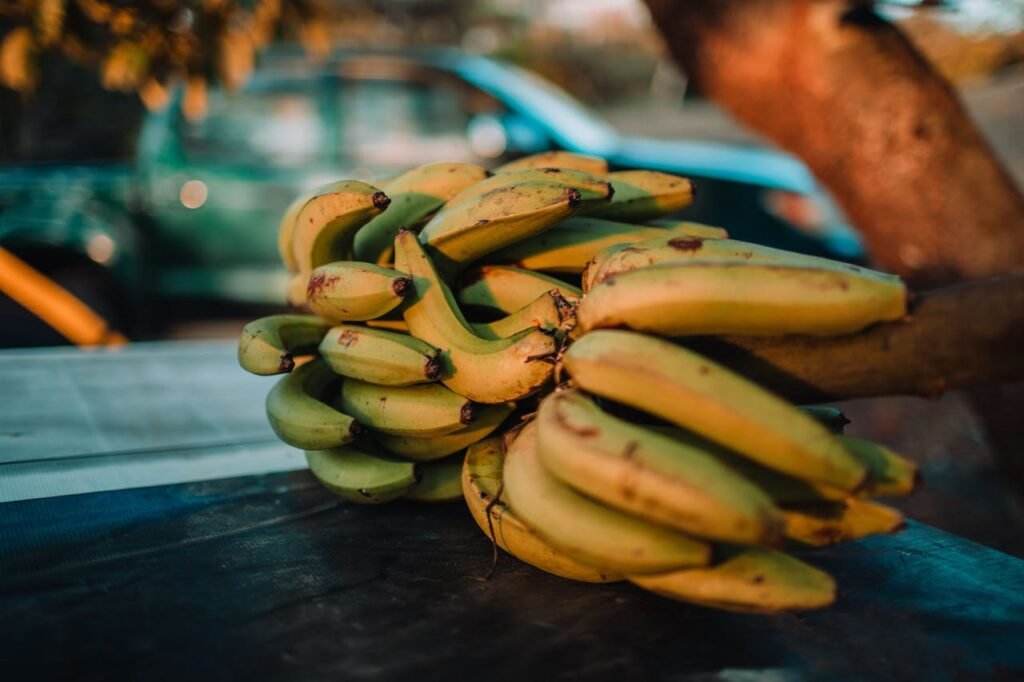
To understand why underripe bananas are beneficial, we must first look at what happens during the ripening process. A banana’s lifecycle is a chemical journey. When a banana is green, it is composed largely of starch. As it ripens, enzymes break this starch down into simple sugars (glucose, fructose, and sucrose).
This conversion explains why a yellow banana tastes sweet and has a higher glycemic index. Conversely, a green banana is lower in sugar but significantly higher in complex carbohydrates. It is within these complex carbohydrates that the health magic lies.
The Science of Resistant Starch
The star component of the underripe banana is resistant starch. Unlike typical starches that are broken down into glucose in the small intestine, resistant starch “resists” digestion. It travels intact to the large intestine, where it functions less like a carbohydrate and more like a soluble fiber.
According to the Harvard T.H. Chan School of Public Health, resistant starch is a type of carbohydrate that does not get digested in the small intestine. Instead, it ferments in the large intestine, feeding beneficial gut bacteria. This process categorizes underripe bananas as a potent functional food.
Clarifying the Terminology: Probiotic vs. Prebiotic
When discussing the underripe bananas probiotic relationship, it is vital to make a scientific distinction to avoid confusion.
- Probiotics are live beneficial bacteria found in foods like yogurt, kefir, and sauerkraut.
- Prebiotics are the non-digestible fibers that feed those bacteria.
Technically, underripe bananas are a prebiotic powerhouse. However, they are often discussed in the context of probiotics because they are the essential fuel that allows your existing probiotic populations to thrive. Without adequate prebiotic fiber, the expensive probiotic supplements or yogurts you consume may not survive or colonize the gut effectively.
By providing a rich source of food for families of bacteria like Bifidobacteria and Lactobacilli, green bananas indirectly exert a massive “probiotic effect” on the host.
How Green Bananas Impact the Microbiome
When resistant starch reaches the colon, the gut bacteria begin the fermentation process. This biological activity produces Short-Chain Fatty Acids (SCFAs), specifically one known as butyrate.
Butyrate is critical for intestinal health. Research from the National Institutes of Health (NIH) indicates that butyrate serves as the primary energy source for the cells lining the colon (colonocytes).
Benefits of Increased Butyrate Production:
- Reduced Inflammation: Butyrate has powerful anti-inflammatory properties that can soothe the gut lining.
- Enhanced Gut Barrier: It strengthens the intestinal wall, potentially preventing “leaky gut” syndrome.
- Protection Against Disease: Higher levels of SCFAs are associated with a lower risk of colorectal cancer.
Beyond Digestion: Metabolic and Weight Management Benefits
The benefits of adding underripe bananas to your diet extend far beyond the digestive tract. Because they are digested slowly, they offer significant advantages for metabolic health.
1. Improved Insulin Sensitivity
Because the starch in green bananas is not immediately converted into sugar, it does not cause the rapid insulin spike associated with ripe fruit. Studies highlighted by Diabetes.org suggest that managing the glycemic index of foods is crucial for preventing type 2 diabetes. Green bananas act as a buffer, helping to regulate blood sugar levels more effectively than their yellow counterparts.
2. Satiety and Weight Loss
Fiber and resistant starch are highly satiating. Eating a green banana can induce a feeling of fullness that lasts longer, reducing the likelihood of overeating later in the day. The Mayo Clinic notes that high-fiber diets are generally linked to lower body weight.
Nutritional Showdown: Green vs. Yellow Bananas
To visualize the drastic difference ripening makes, consider the following comparison of a medium-sized banana at different stages.
| Feature | Green Banana (Underripe) | Yellow Banana (Ripe) |
|---|---|---|
| Primary Carbohydrate | Resistant Starch (up to 70-80% of dry weight) | Simple Sugars (Glucose, Fructose) |
| Glycemic Index (GI) | Low (approx. 30) | High (approx. 51-60) |
| Digestive Profile | Acts as Prebiotic Fiber | Rapidly Digested Energy |
| Taste Profile | Bitter, Chalky, Starchy | Sweet, Creamy, Aromatic |
| Gut Flora Impact | High (Feeds bacteria significantly) | Moderate (Less resistant starch) |
| Micronutrients | Higher Vitamin content preservation | Slight degradation of some heat-sensitive vitamins |
How to Incorporate Underripe Bananas into Your Diet
Let’s be honest: peeling and eating a raw green banana is not a pleasant culinary experience for most. The texture is firm and waxy, and the taste can be astringent. To harness the underripe bananas probiotic-boosting benefits without suffering through the taste, you need to get creative.
Green Banana Flour
One of the easiest ways to consume this superfood is through green banana flour. It is gluten-free and retains the resistant starch content. You can substitute it for a portion of wheat flour in recipes or add a scoop to your morning shake.
Smoothies
Blending a peeled, chopped green banana into a smoothie with strong flavors like berries, spinach, or cacao can mask the chalky texture while providing the fiber boost. Sources like WebMD suggest this as a primary method for increasing fiber intake without altering the flavor profile significantly.
Boiled Green Bananas
In many cultures, particularly in the Caribbean, green bananas are boiled and eaten as a savory side dish, similar to potatoes. While cooking does convert some resistant starch to digestible starch, allowing them to cool afterwards (a process called retrogradation) can convert some of it back to resistant starch.
Potential Side Effects and Considerations
While the health benefits are substantial, introducing high levels of resistant starch to a gut that isn’t used to it can cause temporary distress.
- Bloating and Gas: Because the bacteria are fermenting the starch, gas is a natural byproduct. It is advisable to start slowly.
- FODMAP Sensitivity: While generally good for gut health, those with IBS should be cautious. Monash University, the authority on the low-FODMAP diet, notes that firm bananas are generally lower in FODMAPs than ripe ones, but individual tolerance varies.
- Latex Allergy: Individuals with a latex allergy may experience a reaction to bananas due to similar protein structures (chitinase), a phenomenon known as the latex-fruit syndrome, as described by the American Academy of Allergy, Asthma & Immunology.
Conclusion
The underripe bananas probiotic connection is a testament to the fact that nutrition is rarely black and white—or in this case, green and yellow. While ripe bananas offer quick energy and sweetness, their underripe counterparts offer a sophisticated biological toolkit for gut health, blood sugar regulation, and disease prevention.
By acting as a premium fuel source for your microbiome, green bananas help cultivate an internal environment where health thrives. Whether you blend them into a smoothie or experiment with green banana flour, incorporating this resistant starch into your diet is a simple, affordable strategy for long-term wellness.
Ready to boost your gut health? Next time you are at the grocery store, don’t reach for the yellow bunch. Grab the green ones, and treat your microbiome to the feast it deserves.
Disclaimer: This article is for informational purposes only and does not constitute medical advice. Always consult with a healthcare professional before making significant changes to your diet, especially if you have pre-existing digestive conditions.