In a world saturated with expensive serums, chemical peels, and elaborate ten-step beauty routines, it is easy to overlook the most potent skincare aisle of all: the produce section at your local grocery store. While topical treatments play a crucial role in dermatology, true radiance begins internally. The biological connection between your gut microbiome, nutrient intake, and your complexion is undeniable.
If you are seeking a luminous complexion without the hefty price tag of luxury cosmetics, incorporating specific fruits for glowing skin naturally is the most sustainable strategy available. These botanical powerhouses are packed with vitamins, minerals, and antioxidants that fight oxidative stress, inflammation, and premature aging.
Let’s dive deep into the science of dietary dermatology and explore the top fruits that act as biological superheroes for your skin.
The Science: How Diet Affects Dermis
Before we identify the specific fruits, it is essential to understand the mechanism. Your skin is constantly under siege from free radicals—unstable molecules generated by UV radiation, pollution, and stress. These free radicals damage cells and break down collagen, leading to wrinkles and dullness.
Antioxidants are the body’s defense system. According to the National Institutes of Health (NIH), antioxidants neutralize free radicals, preventing cellular damage. Furthermore, hydration and essential fatty acids maintain the skin’s lipid barrier, keeping it plump and resilient. By choosing the right fruits, you are essentially feeding your skin the raw materials it needs to repair and protect itself.
1. Citrus Fruits: The Collagen Architects
When we talk about skin health, Vitamin C is the gold standard. It is a necessary cofactor for the synthesis of collagen, the protein responsible for skin structure and elasticity.
Oranges, Lemons, and Grapefruits
Citrus fruits are among the most accessible sources of Vitamin C. A study cited by the Oregon State University Linus Pauling Institute indicates that high intakes of dietary Vitamin C are correlated with a decreased likelihood of a wrinkled appearance and senile dryness.
- Oranges: One medium orange provides nearly 100% of your daily Vitamin C needs.
- Lemons: Great for detoxifying the liver, which indirectly clears the skin. Drinking warm lemon water is a popular morning ritual for a reason.
- Grapefruit: Contains lycopene, which reduces redness and inflammation.
2. Avocados: The Moisture Barrier Defenders
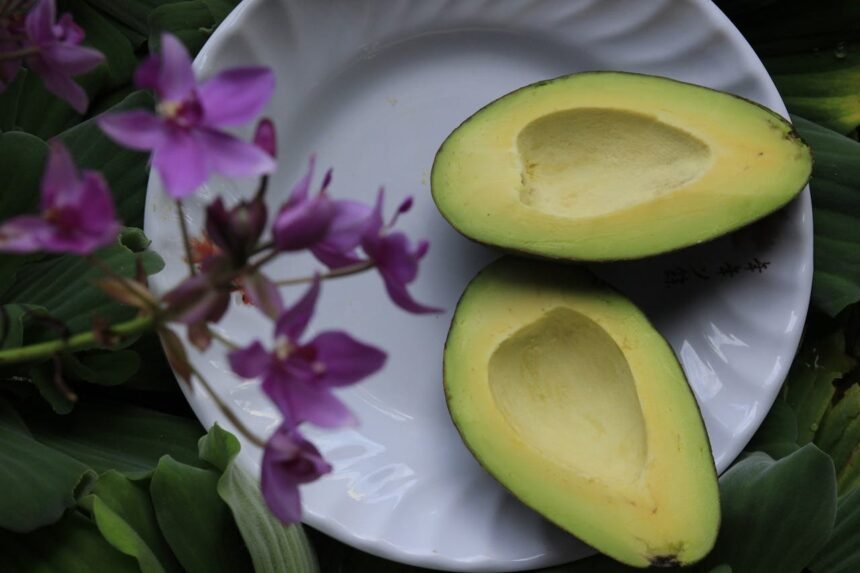
While botanically a fruit, avocados are often treated as vegetables. However, their contribution to skin health is unique due to their high content of healthy monounsaturated fats.
According to Harvard T.H. Chan School of Public Health, these healthy fats are essential for maintaining cell membrane integrity. A strong cell membrane means the skin can hold moisture better, resulting in a softer, more supple appearance. Avocados are also rich in Vitamin E, a potent antioxidant that protects against oxidative damage.
3. Papaya: The Enzymatic Exfoliator
If you suffer from dull skin, papaya is your best friend. It contains an active enzyme called papain.
Papain acts as a natural exfoliator when consumed or applied topically (in DIY masks), helping to break down inactive proteins and dissolve dead skin cells. This reveals fresh, glowing skin underneath. Furthermore, Medical News Today highlights that papaya is rich in Vitamin A, which plays a critical role in the repair of skin tissues.
4. Berries: The Antioxidant Powerhouses
Size for size, berries pack the most significant punch regarding antioxidant capacity.
Blueberries, Strawberries, and Raspberries
These fruits get their vibrant colors from anthocyanins, powerful antioxidants that shield the skin from free radicals. A diet rich in berries can improve vascular health, ensuring better blood flow to the skin surface, which contributes to that coveted “rosy glow.”
- Strawberries: Surprisingly, they often contain more Vitamin C per serving than oranges.
- Blueberries: Known to support the body’s ability to fight inflammation, a root cause of acne and redness, as noted by WebMD.
5. Watermelon: The Hydration Hero
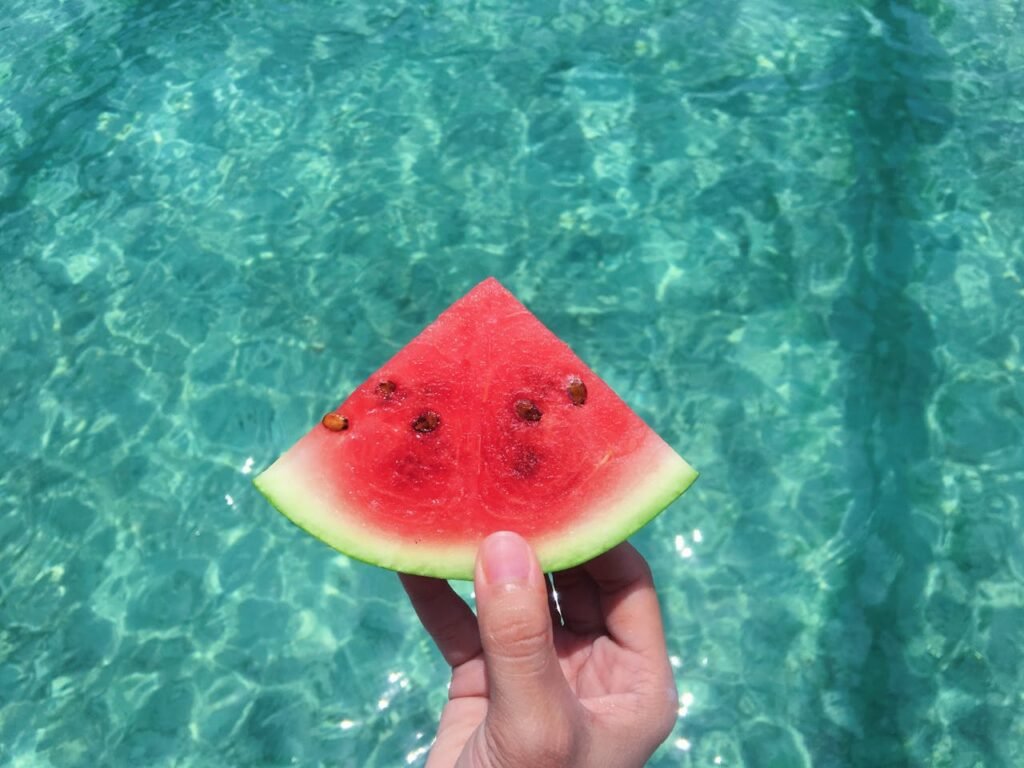
Dehydrated skin looks tired, emphasizes fine lines, and lacks luster. Watermelon is approximately 92% water, making it an excellent food for internal hydration.
Beyond water, watermelon is a rich source of lycopene. The USDA suggests that dietary lycopene can offer a baseline level of protection against UV-induced sunburn, though it should never replace sunscreen.
Comparative Nutrient Profile of Glow-Boosting Fruits
To help you prioritize your grocery list, we have compiled a table comparing the key skin-boosting nutrients in these superheroes.
| Fruit | Primary Skin Benefit | Key Nutrient | Water Content | Glycemic Index (GI) |
|---|---|---|---|---|
| Avocado | Moisture & Elasticity | Monounsaturated Fats, Vit E | 73% | Low |
| Papaya | Exfoliation & Repair | Papain, Vitamin A | 88% | Medium |
| Orange | Collagen Production | Vitamin C | 87% | Low-Medium |
| Blueberry | Anti-aging Protection | Anthocyanins | 84% | Low |
| Watermelon | Hydration & UV Defense | Lycopene, Water | 92% | Medium |
| Kiwi | Firmness & Healing | Vitamin C, Vitamin K | 83% | Low |
| Pomegranate | Anti-inflammatory | Punicalagins | 82% | Low-Medium |
6. Pomegranates: The Anti-Aging Miracle
Pomegranates are revered in dermatology for their ability to regenerate the epidermis (the outer layer of skin). They contain punicalagins, an extremely potent antioxidant found in the juice and peel.
Research highlighted by the National Center for Biotechnology Information (NCBI) suggests that pomegranate extract can reduce the breakdown of collagen fibers. This helps maintain skin thickness and prevents the sagging associated with aging.
7. Bananas: The Smoothening Agent
Bananas are often underestimated. They are rich in potassium, which helps hydrate and moisturize dehydrated skin. They also contain B-vitamins which protect against free radicals that cause premature aging.
According to the Cleveland Clinic, bananas are also a good source of manganese, which helps the body make collagen and protects skin cells from oxidative damage.
8. Kiwi: The Vitamin C Heavyweight
While citrus gets the fame, kiwi holds the title. A single kiwi can fulfill your daily Vitamin C requirement. This high concentration aids in rapid healing of cuts and abrasions on the skin and keeps the skin firm.
Additionally, kiwis contain Vitamin E. As noted by the American Academy of Dermatology, Vitamin E is vital for protecting the skin against sun damage and preventing dark spots.
How to Incorporate These Fruits for Maximum Glow
Knowing which fruits for glowing skin naturally work best is step one; eating them consistently is step two. Here are professional tips to integrate them into your lifestyle:
- Eat the Rainbow: Try to consume at least three different colors of fruit daily. This ensures you are getting a spectrum of different antioxidants.
- Watch the Sugar: While fruit sugar (fructose) is natural, consuming it with fiber (eating the whole fruit rather than just juice) helps regulate insulin spikes. High insulin can sometimes trigger acne.
- The Morning Smoothie: Blend spinach (for iron), half an avocado (for fats), blueberries (for antioxidants), and kiwi (for Vitamin C). This is a comprehensive “skin cocktail.”
- Topical Application: Don’t just eat them! Papaya skins, banana peels, and cucumber slices can be used physically on the face to soothe and hydrate.
Conclusion: Radical Radiance starts from Within
Achieving the perfect complexion is not about finding a magic potion in a bottle; it is about biology. By fueling your body with the nutrients found in avocados, berries, citrus, and melons, you are building a foundation of health that radiates outward.
These fruits provide the hydration, healthy fats, and antioxidants required to fight the daily environmental stressors your skin faces. So, the next time you want to invest in your beauty routine, skip the cosmetics aisle and head straight to the produce section.
Ready to transform your skin? Start by adding just one cup of berries or half an avocado to your daily diet this week and observe the changes. Share your favorite skin-boosting fruit recipes in the comments below!
Disclaimer: While nutrition plays a vital role in skin health, persistent skin issues should be addressed by a dermatologist. For more guidelines on healthy eating, visit the USDA MyPlate resource.