
Inflammation is a buzzword in the wellness community, and for good reason. While acute inflammation is a necessary immune response to injury or infection, chronic inflammation is a different beast entirely. It acts as a silent alarm system that never shuts off, contributing to major health issues such as heart disease, type 2 diabetes, autoimmune conditions, and even certain cancers. Fortunately, nature has provided a pharmacy of its own. By curating a specific anti-inflammatory fruits list and incorporating these foods into your daily routine, you can leverage the power of phytochemicals to help cool the fire within.
In this comprehensive guide, we will explore the science behind inflammation, detail the top fruits that fight it, and provide actionable advice on how to improve your overall nutritional strategy.
The Science of Inflammation and Diet
Before diving into specific fruits, it is essential to understand the biological mechanism. When your body detects an intruder (like a virus or a splinter), it launches an attack. This is acute inflammation. However, when you are exposed to constant stressors—such as a poor diet, environmental toxins, or chronic stress—the immune system stays on high alert. This leads to oxidative stress, where free radicals damage healthy cells.
According to Harvard Health, one of the most powerful tools to combat this is the grocery store, not the pharmacy. Many fruits are packed with antioxidants, particularly polyphenols, which help neutralize free radicals and lower inflammatory markers like C-reactive protein (CRP). Tracking CRP levels is a common method doctors use to assess inflammation, as noted by the Mayo Clinic.
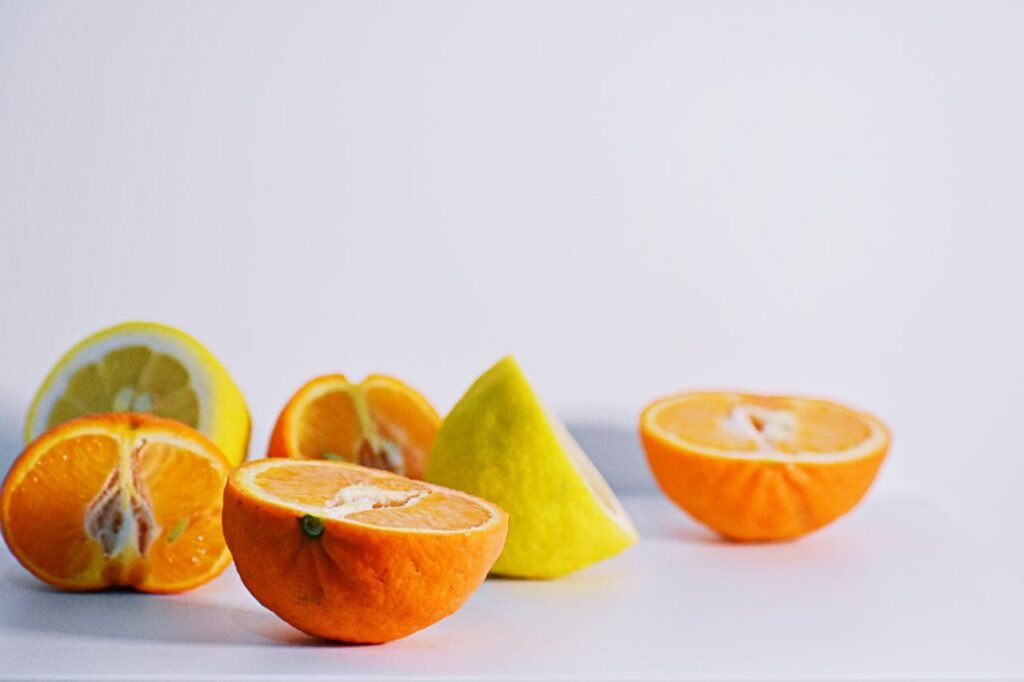
The Ultimate Anti-Inflammatory Fruits List
Not all fruits are created equal when it comes to fighting inflammation. Below is a detailed breakdown of the heavy hitters you should prioritize.
1. Berries: Nature’s Antioxidant Powerhouse
Whether it is blueberries, strawberries, raspberries, or blackberries, this group sits at the top of the anti-inflammatory hierarchy. Berries are rich in fiber and antioxidants known as anthocyanins. These plant pigments give berries their deep red, blue, and purple hues.
Research published by the National Institutes of Health (NIH) suggests that anthocyanins may help reduce inflammation, boost immunity, and reduce the risk of heart disease. Blueberries, in particular, promote the production of natural killer cells, which help keep the immune system functioning optimally.
2. Cherries: The Joint Defender
Tart cherries have gained a reputation in the sports medicine world for their ability to reduce muscle soreness, but they are equally effective for general inflammation. They are rich in catechins and flavonols.
The Arthritis Foundation highlights cherries as a top food for managing arthritis symptoms. Studies have shown that consuming tart cherry juice can significantly reduce gout flare-ups by lowering uric acid levels in the blood.
3. Pineapple: The Enzymatic Healer
Pineapple offers a unique benefit that most other fruits do not: an enzyme called bromelain. While pineapple is rich in Vitamin C, it is bromelain that makes it a potent anti-inflammatory agent.
Bromelain has been used for centuries in Central and South America to treat indigestion and reduce inflammation. Today, the National Center for Complementary and Integrative Health (NCCIH) recognizes bromelain’s potential in reducing nasal swelling and aiding in recovery following surgery or injury. It is most concentrated in the core of the fruit, so blending the core into smoothies is a great way to maximize intake.
4. Avocados: Healthy Fats for Cellular Health
While botanically a fruit, avocados are unique because of their high fat content. However, these are monounsaturated fats, which are heart-healthy and anti-inflammatory.
Avocados are also loaded with potassium, magnesium, and fiber. According to the American Heart Association, replacing saturated fats with monounsaturated fats can lower bad cholesterol levels, which in turn reduces systemic inflammation associated with cardiovascular disease. Additionally, the carotenoids and tocopherols in avocado generally help protect against cellular damage.
5. Citrus Fruits: Vitamin C Champions
Oranges, grapefruits, lemons, and limes are synonymous with Vitamin C. This essential vitamin is necessary for the synthesis of collagen and the repair of tissues. Citrus fruits are also rich in flavonoids like naringenin, which has powerful anti-inflammatory effects.
The Cleveland Clinic emphasizes that Vitamin C is a potent antioxidant that can strengthen your body’s natural defenses. Including citrus in your diet helps neutralize free radicals before they can cause oxidative stress.
6. Grapes: The Source of Resveratrol
Grapes, particularly red and purple varieties, contain resveratrol, a compound found in the skin of the fruit. Resveratrol has been studied extensively for its potential to improve heart health and combat inflammation associated with chronic diseases.
The Linus Pauling Institute at Oregon State University notes that resveratrol modulates the inflammatory response and may protect the lining of blood vessels in the heart. This makes grapes a sweet, low-calorie snack with significant long-term benefits.
7. Tomatoes: The Lycopene Source
Often treated as a vegetable in culinary settings, tomatoes are biologically fruits. They are the primary dietary source of lycopene, an antioxidant that gives them their red color. Cooked tomatoes (like in sauce) actually provide more bioavailable lycopene than raw ones.
The National Cancer Institute identifies lycopene as a key antioxidant that may help protect cells from damage. It is particularly noted for its role in reducing inflammation related to prostate health.
Nutritional Breakdown: Key Compounds in Anti-Inflammatory Fruits
To help you visualize why these fruits are essential, here is a comparison of their primary active compounds and specific health benefits.
| Fruit Category | Primary Active Compound | Key Anti-Inflammatory Benefit | Best Way to Consume |
|---|---|---|---|
| Berries (Blueberry, Strawberry) | Anthocyanins | Reduces oxidative stress and supports brain health. | Raw or frozen in smoothies. |
| Tart Cherries | Flavonols & Catechins | Lowers uric acid; reduces joint pain and arthritis symptoms. | Juice or whole fresh fruit. |
| Pineapple | Bromelain | Reduces swelling and aids in tissue recovery. | Fresh (eat the core) or blended. |
| Avocado | Monounsaturated Fats | Protects heart health and reduces cholesterol-related inflammation. | Sliced on toast or in salads. |
| Citrus (Orange, Grapefruit) | Vitamin C & Naringenin | neutralizes free radicals; boosts immune response. | Whole (for fiber) rather than juiced. |
| Red Grapes | Resveratrol | Protects blood vessel lining; mimics effects of calorie restriction. | Fresh, specifically red/purple varieties. |
| Tomatoes | Lycopene | Reduces systemic inflammation; supports prostate/heart health. | Cooked with a little olive oil. |
Gut Health and Inflammation
It is impossible to discuss an anti-inflammatory fruits list without mentioning the gut. A significant portion of the immune system resides in the gut. Fruits are high in dietary fiber, which feeds the good bacteria in your microbiome.
When your gut bacteria ferment fiber, they produce short-chain fatty acids that actively fight inflammation in the gut lining and throughout the body. Johns Hopkins Medicine explains that a diverse microbiome is crucial for regulating the immune system. Therefore, eating a variety of fruits helps maintain a diverse and healthy bacterial ecosystem.
Practical Tips for Your Diet
Incorporating these foods doesn’t require a radical lifestyle overhaul. Here are simple ways to add more anti-inflammatory fruits to your day:
- The Morning Smoothie: Blend spinach (for Vitamin K) with pineapple (bromelain) and blueberries (anthocyanins). Add a slice of avocado for creaminess and healthy fats.
- Savory Salads: Add sliced strawberries or oranges to your spinach salad. The Vitamin C helps your body absorb iron from the greens.
- Dessert Replacement: Instead of processed sugary snacks which trigger inflammation, have a bowl of red grapes or a baked apple with cinnamon.
It is also vital to reduce foods that cause inflammation while increasing those that fight it. Limit refined carbohydrates, sugary beverages, and processed meats, as advised by the Centers for Disease Control and Prevention (CDC).
Conclusion
Chronic inflammation is a root cause of many modern ailments, but you have the power to influence it three times a day with your meals. By utilizing this anti-inflammatory fruits list, you are not just eating sweet treats; you are providing your body with the molecular tools it needs to repair, protect, and thrive.
Remember, consistency is key. Eating a pint of blueberries once a month won’t change your health, but incorporating a serving of antioxidant-rich fruit into your daily diet can have profound long-term effects. Start small—pick two fruits from this list to add to your grocery cart this week—and take the first step toward a cooler, calmer, and healthier body.
Disclaimer: This article is for informational purposes only and does not constitute medical advice. Always consult with a healthcare professional before making significant changes to your diet, especially if you have underlying health conditions.