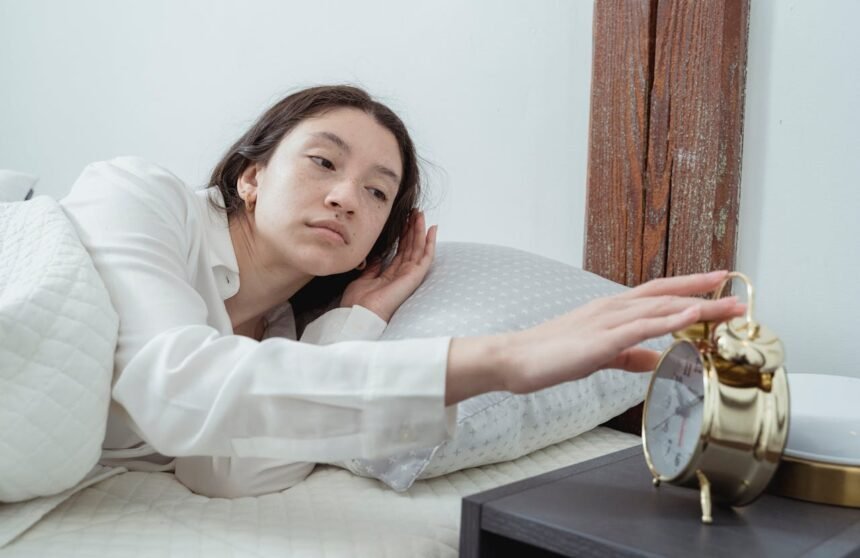
It is the middle of the night. You are wide awake. The clock reads 3:00 am. This scenario is incredibly frustrating and exhausting. You are not alone in this struggle. Many people find themselves waking up during the early hours of the morning.
Known historically as the “witching hour,” waking at 3am often relates to your sleep cycles and stress levels. While it is normal to wake briefly, not being able to fall back asleep is a problem. This type of insomnia can ruin your energy for the day ahead. Fortunately, there are actionable steps you can take.
This guide explores what to do when you can’t sleep at 3am and offers practical solutions to improve your rest.
Why Do We Wake Up at 3am?
Understanding the root cause is the first step. Sleep occurs in cycles. Around 3am, many people transition from deep sleep to lighter REM sleep. If you are stressed or uncomfortable, this transition can wake you up fully.
Historically, this time was seen as significant. Biologically, it is often when your liver glycogen levels drop, triggering adrenaline. The NHS notes that stress is a primary driver of this nocturnal wakefulness. Understanding your body is key to fixing it.
Immediate Tactics: What to Do Right Now
If you are reading this in the middle of the night, you need immediate help. Do not stay in bed tossing and turning for more than 20 minutes. This creates a mental association between your bed and stress.
The Military Method
One popular technique for falling back asleep quickly is used by soldiers. It helps calm the nervous system. Here is the military sleep method step by step:
- Relax your face: Close your eyes. Relax your entire face, including the muscles inside your mouth.
- Drop your shoulders: Release the tension to release your hands to the side of your body.
- Exhale: Breathe out, relaxing your chest.
- Clear your mind: For 10 seconds, imagine a relaxing scene. If that fails, repeat the words “don’t think” for 10 seconds.
Practising this nightly can train your brain to shut down faster. You can read more about relaxation in our guide on mastering relaxation techniques.
Optimising Your Sleep Environment
Your bedroom should be a sanctuary. Environmental factors are often the hidden culprits behind broken sleep. Adjusting your room can stop you from waking up.
Temperature Control
Body temperature drops when you sleep. If your room is too hot, your body struggles to stay in deep sleep. Experts suggest that the best temperature for sleep celsius is generally between 16°C and 18°C. This might feel cool, but it mimics the body’s natural hibernation state. The Sleep Foundation confirms that a cooler room promotes deeper rest.
Light and Darkness
Even a small amount of light can disrupt melatonin production. Streetlights or standby lights on TVs are problematic. Many people find relief using eye masks. Specifically, weighted eye mask benefits include blocking out 100% of light while providing gentle pressure. This pressure stimulates the vagus nerve, promoting relaxation. For more on setting up your room, visit our article on bedroom setup essentials.
Natural Remedies and Habits
Before turning to medication, consider what nature offers. Small dietary changes and mental habits can have a massive impact.
Herbal Teas and Aromatherapy
Beverages can signal your body it is time to rest. Finding the right tea to help you sleep better is a simple ritual. Chamomile and Valerian root are excellent choices. They act as mild sedatives.
Smell also plays a powerful role. Research has shown lavender oil for sleep benefits include lowering blood pressure and heart rate. A few drops on your pillow or in a diffuser can create a calming atmosphere. The NCCIH suggests aromatherapy as a viable complementary therapy. Learn more about herbs in our post on natural sleep aids.
Mental Techniques
Anxiety is the enemy of sleep. When you wake up, your mind often races. Using affirmations for sleep and anxiety can stop this spiral. Repeating phrases like “I am safe,” “I release the day,” or “Sleep comes naturally to me” can shift your focus.
Sometimes, mental disturbances come from dreams. We often ask, what are the causes of vivid dreams every night? Often, it is a sign of fragmented REM sleep or medication side effects. Keeping a dream journal can help you process these thoughts. Read more about managing anxiety in our mental health and sleep guide.
Identifying Underlying Issues
Sometimes, waking up at 3am is a symptom of a larger health issue. If lifestyle changes do not work, you must look deeper.
Sleep Disorders
It is helpful to review a common sleep disorders list to see if your symptoms match. Conditions like restless leg syndrome or insomnia are prevalent. However, breathing issues are critical to catch.
Signs of sleep apnea in women can be different from men. While men often gasp loudly, women might experience morning headaches, mood swings, or simple insomnia. The British Lung Foundation urges anyone with these symptoms to seek advice.
If you or your partner suffer from noisy breathing, learning how to stop snoring naturally at home is vital. Elevating your head, staying hydrated, and avoiding alcohol before bed can help. Check our detailed post on snoring remedies.
Physical Discomfort
Pain or illness frequently breaks sleep cycles. For instance, figuring out how to sleep with a stuffy nose is a common challenge. Propping your head up with extra pillows and using a saline spray can keep airways open. If you are dealing with cold symptoms, read our guide to sleeping with a cold.
Age and Lifestyle Factors
Your age and daily routine dictate your sleep quality. What works for a teenager might not work for a senior.
Fatigue Despite Sleep
A common complaint is: “Why do i feel tired after 8 hours of sleep?” This is known as non-restorative sleep. It can happen if your sleep quality is poor, even if the duration is long. The CDC highlights sleep hygiene as a major factor here. Alcohol or caffeine late in the day often reduces deep sleep.
Shift workers or students often struggle with timing. Learning how to fix a reversed sleep schedule involves controlling light exposure. Avoid bright lights at night and seek immediate sunlight in the morning. This resets your circadian rhythm. See our tips on fixing circadian rhythms.
Senior Sleep Health
As we age, we produce less melatonin. Finding natural remedies for insomnia in elderly people is essential to avoid falls or confusion from strong medication. Magnesium supplements and strict routines are often recommended. The National Institute on Aging offers excellent resources for seniors. We also cover this in our senior sleep health section.
The Bottom Line
Waking up at 3am does not have to be your permanent reality. By adjusting your room temperature to the ideal Celsius range, trying the military method, or using a weighted eye mask, you can reclaim your rest.
Remember to look for underlying causes like sleep apnea or stress. Small changes to your routine often yield the biggest results. Be patient with your body as it relearns how to sleep through the night.
- Mayo Clinic on Insomnia
- Mind UK: Sleep and Mental Health
- Johns Hopkins: The Science of Sleep
- British Heart Foundation: Sleep Tips
- WebMD Sleep Disorders Directory
- Harvard Health: Sleep
For further reading, explore our articles on causes of fatigue and sleep apnea symptoms.