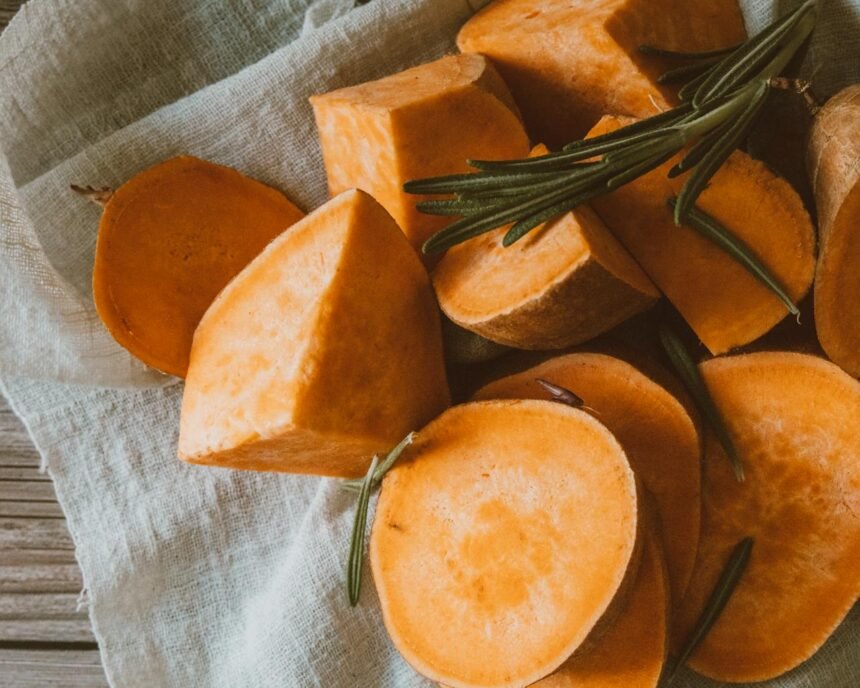
Sweet potatoes are a nutritional powerhouse, revered not just for their vibrant colour and sweet flavour, but for their impressive profile of vitamins, minerals, and fibre. They are a staple in many diets globally, often hailed as a healthier alternative to standard white potatoes.
However, the nutritional value of this root vegetable depends heavily on how you prepare it. The biochemical changes that occur during the heating process can either enhance the bioavailability of certain nutrients or degrade them entirely.
When considering cooking sweet potatoes, it is essential to understand that heat affects nutrients differently. While some vitamins are heat-sensitive and break down at high temperatures, others require heat and fat to be properly absorbed by the body.
This article explores the science behind nutrient retention and provides evidence-based methods to ensure you get the most out of every bite.
Nutritional Overview
Before diving into cooking methods, it is vital to understand what nutrients we are trying to preserve. Sweet potatoes are exceptionally rich in beta-carotene, an antioxidant that the body converts into Vitamin A. This vitamin is crucial for maintaining healthy vision, immune function, and skin integrity.
Additionally, they provide significant amounts of:
- Vitamin C: Essential for immune defence and collagen synthesis.
- Potassium: Vital for fluid balance and blood pressure regulation.
- Manganese: A cofactor for metabolism and bone health.
- Dietary Fibre: Important for digestive health and blood sugar stability.
According to Healthline, just one medium-sized sweet potato can provide over 400% of your daily required Vitamin A. However, this figure is based on the raw vegetable; the final nutrient count on your plate is determined by your cooking method.
Factors Influencing Nutrient Loss
When we apply heat to food, three main factors contribute to nutrient degradation: temperature, cooking duration, and the volume of water used.
1. Water Solubility
Water-soluble vitamins, such as Vitamin C and the B-complex vitamins, are notoriously unstable. When vegetables are submerged in water—especially for long periods—these nutrients leach out into the cooking liquid. If that liquid is discarded, the nutrients are lost.
2. Oxidation
Exposure to oxygen can degrade certain antioxidants. Cutting sweet potatoes into small pieces increases their surface area, exposing more of the flesh to oxygen and heat, which can accelerate nutrient loss.
3. Heat Sensitivity
While heat degrades Vitamin C, it plays a complex role with beta-carotene. Interestingly, cooking is necessary to break down the tough cell walls of the sweet potato, making the beta-carotene more accessible (bioavailable) for absorption. The challenge lies in balancing this bioavailability with the preservation of heat-sensitive compounds.
Comparing Cooking Methods
Different methods yield vastly different results regarding nutrient retention and the glycaemic index (GI) of the final dish.
Boiling: The Surprise Winner
Contrary to popular belief regarding vegetables, boiling is often the superior method for cooking sweet potatoes if your goal is preserving beta-carotene.
Research suggests that boiling sweet potatoes retains more antioxidants compared to roasting or steaming. This is largely due to the specific cellular structure of the root. Boiling gelatinises the starch, which can help seal the cell walls and protect the beta-carotene from oxidation.
Furthermore, boiling has a profound impact on the glycaemic index. Boiled sweet potatoes have a low-to-medium GI, meaning they cause a slower, more sustained rise in blood sugar. This makes them a suitable option for those managing diabetes or energy levels.
For the best results, boil them with the skin on. The skin acts as a barrier, minimising the leaching of minerals and Vitamin C into the water.
Roasting and Baking
Roasting is arguably the most popular way to prepare sweet potatoes due to the Maillard reaction—a chemical reaction between amino acids and reducing sugars that gives roasted food its distinctive flavour and browned exterior.
However, this method comes with nutritional trade-offs. Baking or roasting sweet potatoes causes the starches to break down into simple sugars, significantly raising the GI score. While raw sweet potatoes have a low GI, roasted ones can spike to a high GI, similar to that of glucose.
From a vitamin perspective, long exposure to dry, high heat can degrade Vitamin C levels more severely than shorter cooking methods. However, roasting is still effective for retaining beta-carotene, provided the cooking time is not excessive.
Steaming
Steaming is an excellent middle-ground. It avoids submerging the vegetable in water, which preserves water-soluble vitamins like Vitamin C and potassium better than boiling.
However, because steaming does not raise the internal temperature as aggressively or uniformly as boiling, it may result in slightly lower bioavailability of beta-carotene compared to boiling. Nevertheless, it remains one of the healthiest methods for cooking sweet potatoes.
Microwaving
Microwaving is often unfairly demonised, yet it is one of the most nutrient-preserving methods available. Because microwaving cooks food rapidly, there is less time for heat-sensitive nutrients to break down.
Studies cited by the National Institutes of Health (NIH) indicate that microwaving can preserve antioxidant activity effectively. However, care must be taken not to overcook the potato, as this can dry out the texture and degrade the flavour profile.
Frying
Frying, particularly deep-frying, is the least favourable method. While tasty, frying introduces significant amounts of added fats—often unhealthy ones if vegetable oils are used at high temperatures.
More concerning is the formation of acrylamide, a potential carcinogen that forms when starchy foods are cooked at high temperatures. According to Medical News Today, sweet potatoes are susceptible to acrylamide formation when fried or roasted until dark brown.
Nutrient Retention by Method
The following table summarises how different cooking methods affect the key nutritional aspects of sweet potatoes.
| Method | Beta-Carotene Retention | Vitamin C Retention | Glycaemic Index Impact | Recommended? |
|---|---|---|---|---|
| Boiling | High | Moderate | Low (Good) | Yes |
| Steaming | Moderate | High | Low/Medium | Yes |
| Microwaving | High | High | Medium | Yes |
| Roasting | Moderate | Low | High (Spike) | Moderate |
| Frying | Low | Low | Variable | No |
Practical Tips for Maximum Nutrition
To ensure you are getting the absolute most out of your meal, follow these evidence-based guidelines.
1. Keep the Skin On
The skin of the sweet potato is rich in fibre and potassium. Peeling the vegetable before cooking removes a significant portion of these nutrients. Furthermore, the skin acts as a protective seal during boiling or steaming, preventing micronutrients from leaching out.
Always scrub the skin thoroughly under running water to remove dirt before cooking.
2. Pair with Healthy Fats
Beta-carotene is a fat-soluble nutrient. This means that for your body to absorb it effectively, it must be consumed alongside dietary fat.
A study published regarding carotenoid absorption suggests that eating sweet potatoes with just 3 to 5 grams of fat significantly increases the uptake of beta-carotene. Excellent options include drizzling with extra virgin olive oil, serving with avocado, or adding a dollop of Greek yoghurt.
3. Limit Cooking Time
Prolonged exposure to heat destroys Vitamin C. Cook your sweet potatoes until they are just tender (fork-tender) rather than mushy. Overcooking not only degrades nutrients but also negatively impacts the texture.
4. Cooling for Resistant Starch
If you are concerned about blood sugar management, allow your boiled sweet potatoes to cool down before eating them. This process, known as retrogradation, transforms some of the digestible starch into resistant starch.
According to Harvard Health, resistant starch functions like soluble fibre, feeding beneficial gut bacteria and blunting the insulin spike associated with eating carbohydrates.
Potential Risks and Considerations
While sweet potatoes are generally safe, there are a few considerations regarding their preparation.
Oxalates: Sweet potatoes contain oxalates, which can contribute to kidney stone formation in susceptible individuals. Boiling the potatoes helps reduce oxalate levels significantly compared to baking.
Vitamin A Toxicity: Because sweet potatoes are so high in Vitamin A (in the form of beta-carotene), is it possible to eat too much? Generally, beta-carotene is safe because the body regulates its conversion to active Vitamin A. However, excessive consumption can lead to carotenemia, a harmless condition where the skin turns slightly orange/yellow.
Consult the NHS for recommended daily intakes of Vitamin A.
The Bottom Line
The way you approach cooking sweet potatoes matters as much as buying them. While roasting provides a rich flavour, it spikes blood sugar and degrades Vitamin C.
For the ultimate health boost, boiling sweet potatoes with the skin on is scientifically the best method. It preserves the highest amount of beta-carotene, maintains a low glycaemic index, and retains a good texture.
Remember to pair your sweet potatoes with a small amount of healthy fat to ensure your body can absorb the powerful antioxidants effectively. Whether you mash them, slice them, or eat them whole, sweet potatoes remain one of nature’s most valuable superfoods when prepared with care.
Helpful Resources
- USDA FoodData Central – Comprehensive nutrient data.
- WebMD: Benefits of Sweet Potatoes – General health benefits overview.
- Mayo Clinic: Dietary Fibre – Importance of fibre in root vegetables.
- ScienceDirect – Research on starch gelatinisation.
- British Nutrition Foundation – Healthy eating guidelines.