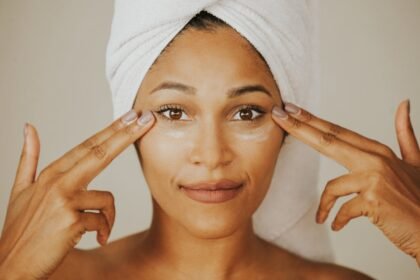
In the ever-evolving world of beauty, the pursuit of a luminous complexion remains a constant. While synthetic compounds have dominated the shelves for decades, there is a significant paradigm shift occurring. Consumers and dermatologists alike are turning their attention back to nature, seeking natural ingredients for glowing skin that offer efficacy without the harsh side effects often associated with chemical alternatives.
The concept of “clean beauty” is no longer just a trend; it is a lifestyle choice rooted in the understanding that what we put on our bodies is as important as what we put in them. But with thousands of botanical extracts available, which ones actually deliver on the promise of radiance? This comprehensive guide dives deep into the science of botanical skincare, helping you curate a routine that unlocks your natural glow.
The Science of Botanical Biocompatibility
Why do natural ingredients often feel better on the skin? The answer lies in biocompatibility. Many plant-based oils and extracts share a molecular structure similar to our skin’s natural sebum. This allows for better absorption and deeper penetration of active compounds.
Furthermore, plants produce phytochemicals to protect themselves from UV radiation and environmental stressors. When applied topically, these antioxidants—such as polyphenols and flavonoids—transfer that protection to our skin. According to the National Center for Complementary and Integrative Health (NCCIH), natural products have been used for millennia to treat skin conditions, and modern science is finally validating these ancient practices.
Top Powerhouse Natural Ingredients for Glowing Skin
To achieve true radiance, you need ingredients that address three key areas: hydration, turnover (exfoliation), and protection. Here are the top contenders:
1. Vitamin C: The Brightening Superstar
While Vitamin C can be synthesized, natural sources like Kakadu Plum, Rosehip, and Acerola Cherry are potent. Vitamin C is crucial for the synthesis of collagen and is a potent antioxidant that neutralizes free radicals. A study published by the National Center for Biotechnology Information (NCBI) highlights Vitamin C’s ability to impede melanin production, effectively fading dark spots and hyperpigmentation.
2. Bakuchiol: The Gentle Retinol Alternative
Retinol is the gold standard for anti-aging, but it can cause irritation for sensitive skin. Enter Bakuchiol, an extract from the seeds of the Psoralea corylifolia plant. Research from Harvard Health Publishing suggests that Bakuchiol offers similar collagen-boosting benefits to retinol but without the associated stinging and peeling.
3. Hyaluronic Acid (Tremella Mushroom)
While often lab-created, Hyaluronic Acid (HA) is technically a natural substance found in the body. However, the botanical world has its own version: the Tremella Mushroom (Snow Mushroom). It can hold massive amounts of water, plumping the skin and creating that coveted “glass skin” look. You can read more about the chemical structure of Hyaluronic Acid on Wikipedia.
4. Aloe Vera: The Soother
Radiance is impossible if the skin is inflamed. Aloe Vera is rich in vitamins A, C, and E. It creates a protective barrier that locks in moisture while reducing redness. The Mayo Clinic recognizes Aloe’s effectiveness in soothing minor burns and skin irritations, making it a staple for calming stressed skin.

Comparative Analysis: Synthetic vs. Natural Actives
Understanding the trade-offs between synthetic and natural ingredients is vital for making informed choices. The table below outlines common skincare goals and their natural ingredient champions.
| Skincare Goal | Synthetic Standard | Natural Champion | Primary Benefit of Natural Option | Best For Skin Type |
|---|---|---|---|---|
| Anti-Aging | Retinol / Retinoids | Bakuchiol | Non-irritating, safe for use during pregnancy | Sensitive / Dry |
| Brightening | Hydroquinone | Licorice Root Extract | Inhibits tyrosinase naturally without toxicity risks | All Skin Types |
| Acne Control | Benzoyl Peroxide | Tea Tree Oil | Antibacterial and anti-inflammatory properties | Oily / Acne-Prone |
| Exfoliation | Glycolic Acid (high %) | Fruit Enzymes (Papaya/Pineapple) | Gentle enzymatic digestion of dead cells | Sensitive / Dull |
| Hydration | Mineral Oil | Jojoba Oil | Mimics human sebum; non-comedogenic | Combination / Oily |
The Role of Oils in Radiance
There is a misconception that oils cause acne. In reality, stripping the skin of oil triggers it to overproduce sebum. Using the right botanical oils can balance your complexion.
- Jojoba Oil: As mentioned, it mimics sebum. It tricks the skin into thinking it has produced enough oil, reducing grease.
- Rosehip Seed Oil: High in fatty acids and Vitamin A, it promotes cell regeneration.
- Tea Tree Oil: Renowned for its antiseptic properties. According to WebMD, it is effectively used for acne treatment, though it should be diluted to avoid irritation.
Lifestyle and Diet: The Internal Glow
Topical application is only half the battle. Your skin is a reflection of your internal health. A diet rich in antioxidants, healthy fats (like Omega-3s), and hydration is essential.
- Hydration: Water flushes toxins that can dull the complexion.
- Antioxidants: Berries, leafy greens, and nuts fight oxidative stress.
The American Academy of Dermatology (AAD) emphasizes that protecting skin from the sun and eating a healthy diet are foundational steps for maintaining skin health as we age.
Navigating the Label: Avoiding Greenwashing
Not all products claiming to be “natural” are created equal. The beauty industry is rife with “greenwashing”—marketing that implies a product is eco-friendly or natural when it isn’t.
To ensure you are getting genuine natural ingredients for glowing skin, look for certifications or check ingredients against databases. The Environmental Working Group (EWG) Skin Deep database is an excellent resource for checking the safety and toxicity levels of ingredients. Additionally, familiarizing yourself with FDA cosmetics regulations can help you understand what manufacturers are actually required to disclose.
Essential Tips for Your Routine
- Patch Test: Natural ingredients are potent. Always patch test a new product on your inner arm.
- Consistency is Key: Unlike harsh chemical peels that show instant (but sometimes damaging) results, natural ingredients work with your skin’s cycle. Give it 28 days.
- Sun Protection: Even with natural skincare, SPF is non-negotiable. The Skin Cancer Foundation reminds us that UV damage is the primary cause of premature aging.
Conclusion: Embrace Your Natural Light
Switching to natural ingredients for glowing skin is not just about following a trend; it is about respecting the biology of your largest organ. By incorporating powerhouses like Vitamin C, Bakuchiol, and botanical oils into your regimen, you are feeding your skin the nutrients it craves.
Remember, the journey to radiance is a marathon, not a sprint. Start by replacing one synthetic product with a high-quality natural alternative today. Observe how your skin responds—you might just find that the glow you’ve been chasing has been waiting in nature all along.
Ready to transform your skin? Audit your skincare shelf tonight. Identify one product with unpronounceable synthetic fillers and swap it for a botanical alternative. Your skin will thank you.