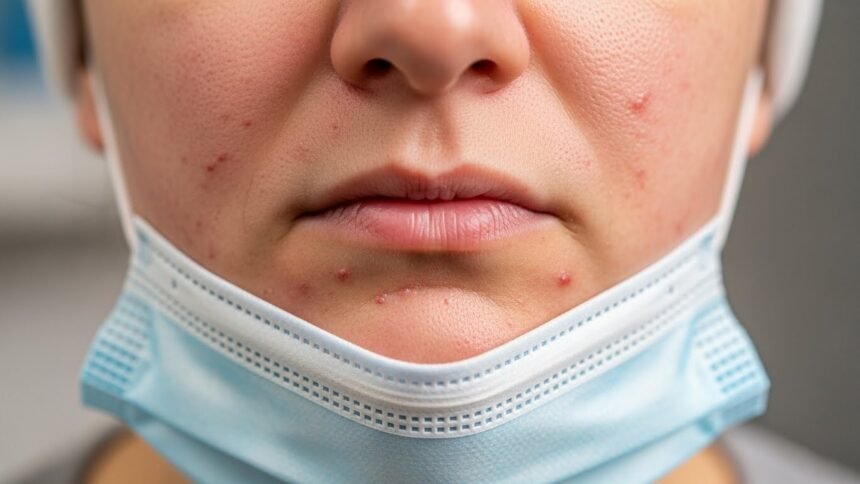
While face masks have become an essential tool for public health, they have introduced a frustrating side effect for many: mask-induced acne, colloquially known as “maskne.” Whether you are a healthcare worker wearing an N95 for twelve hours or a commuter wearing a cloth mask for thirty minutes, the struggle to maintain clear skin is real. Understanding how to prevent maskne breakouts requires a blend of dermatological science, fabric selection, and adjustments to your daily routine.
In this comprehensive guide, we will explore the causes of maskne, analyze the best fabrics for your skin, and outline a professional-grade skincare regimen designed to keep your complexion clear without compromising your safety.
Understanding the Science: What is Maskne?
“Maskne” is not a medically distinct diagnosis but rather an umbrella term for skin conditions caused by wearing face coverings. The technical term most often associated with this condition is acne mechanica. Unlike hormonal acne, which is internal, acne mechanica is caused by friction, pressure, and stretching of the skin.
According to the American Academy of Dermatology (AAD), maskne occurs because the mask traps moisture and heat, creating a humid environment where microorganisms—bacteria and yeast—thrive. This microclimate, combined with friction from the mask material rubbing against the skin, damages the skin barrier and clogs pores.
The “Maskne” Microclimate
- Friction: The constant rubbing of fabric against the skin leads to micro-tears and inflammation.
- Heat & Humidity: Breathing creates a warm, moist environment (a tropical climate for your chin) that accelerates sebum (oil) production.
- Occlusion: Pores become blocked by sweat, oil, and makeup, leading to comedones (whiteheads and blackheads).
Choosing the Right Mask Material
Not all masks are created equal when it comes to skin health. While filtration efficacy is paramount, the material touching your skin plays a massive role in how to prevent maskne breakouts. The goal is to find a balance between safety and breathability.
The Centers for Disease Control and Prevention (CDC) recommends multi-layer masks, but the inner layer is what matters most for your pores. Below is a comparison of common mask materials and their impact on the skin.
Impact of Mask Materials on Skin Health
| Mask Material | Breathability | Moisture Wicking | Friction Level | Risk of Maskne | Best For |
|---|---|---|---|---|---|
| 100% Cotton | High | High | Medium | Low | Everyday use; sensitive skin |
| Synthetic (Polyester/Nylon) | Low | Low (Traps sweat) | Medium | High | Short durations only |
| Silk | Medium | Medium | Very Low | Very Low | Highly sensitive or acne-prone skin |
| Surgical / N95 | Low | Low | High | High | High-risk environments / Medical use |
Note: If you must wear a surgical or N95 mask for work, consider using a silk liner underneath, provided it does not compromise the seal of the mask.

The Essential Skincare Routine to Prevent Maskne
To combat the effects of friction and humidity, you must simplify your skincare routine. Overwhelming the skin with too many products can exacerbate irritation. Here is a streamlined approach recommended by dermatologists.
1. Cleanse Gently but Effectively
Washing your face is non-negotiable. You should cleanse your face once in the morning and immediately after removing your mask for the day. However, harsh cleansers strip the skin barrier, making it more susceptible to bacteria.
- The Strategy: Use a mild, fragrance-free cleanser. Avoid physical scrubs (like apricot pits) which add more friction to already irritated skin.
- Expert Insight: The Mayo Clinic emphasizes that gentle cleansing is crucial to prevent aggravating existing acne lesions.
2. Prioritize Barrier Repair (Moisturizing)
Many people with oily skin skip moisturizer, thinking it will cause more acne. This is a myth. When the skin is dry and irritated from friction, it produces more oil to compensate. A lightweight moisturizer acts as a protective barrier between your skin and the mask.
Look for ingredients like:
- Ceramides: To repair the skin barrier.
- Hyaluronic Acid: For hydration without heaviness.
- Dimethicone: A silicone that can provide a “slip” to reduce friction.
According to Cleveland Clinic, applying a moisturizer adds a protective layer that can reduce chafing.
3. Treat with care: Actives and Spot Treatments
If you are actively breaking out, you might be tempted to slather on strong retinoids or high-percentage acids. Proceed with caution. The occlusion of the mask intensifies the delivery of these ingredients, potentially leading to chemical burns or contact dermatitis.
- Salicylic Acid: Great for unclogging pores. Use a lower concentration (1-2%) on days you aren’t wearing a mask for long periods.
- Benzoyl Peroxide: Kills acne bacteria but can be drying. Use it as a wash-off treatment rather than a leave-on cream under a mask.
Research published in PubMed Central suggests that acne mechanica responds well to standard acne treatments, but frequency must be adjusted to avoid irritation.
Makeup and Masks: A Complicated Relationship
Ideally, you should break up with your foundation while dealing with maskne. Heavy makeup trapped under a mask is a recipe for clogged pores.
If you must wear makeup, opt for products labeled non-comedogenic (formulated not to cause blocked pores). Focus your makeup application on the eyes—brows, lashes, and concealer—and skip the lower half of the face. As noted by beauty editors at Vogue, wearing heavy foundation under a mask creates a humidity chamber that breaks down the makeup and forces pigments into the pores.
Hygiene Habits That Save Your Skin
Sometimes, the culprit isn’t your skin type, but your habits. Learning how to prevent maskne breakouts involves rigorous hygiene protocols regarding the mask itself.
The “15-Minute” Rule
According to Johns Hopkins Medicine, if you are wearing a mask safely (away from others), try to take a 15-minute mask break every 4 hours. This allows the skin to breathe and humidity to dissipate. Ensure you wash your hands before removing the mask.
Laundry Logic
Wash cloth masks after every single use. Oil, sweat, and dead skin cells accumulate on the fabric.
- Detergent: Use a fragrance-free, hypoallergenic laundry detergent. Residue from scented fabric softeners can cause contact dermatitis.
- Temperature: Wash on the highest heat setting appropriate for the fabric to kill bacteria.
Oral Hygiene Matters
“Mask mouth” is a real phenomenon. Breathing through the mouth while wearing a mask causes dry mouth, changing the oral microbiome. Bacteria from your mouth can travel to your skin in the humid environment. The American Dental Association (ADA) recommends maintaining rigorous oral hygiene to prevent oral bacteria from contributing to skin issues around the mouth.
When Is It Not Just Acne?
Sometimes, what looks like maskne is actually a different skin condition aggravated by the mask.
- Perioral Dermatitis: Small, red, itchy bumps around the mouth. Steroid creams often make this worse.
- Folliculitis: Infection of the hair follicles, looking like white-headed pimples.
- Rosacea: Masks can trigger heat flares, leading to redness and pustules.
If your breakout is painful, weeping fluid, or spreading rapidly, consult a board-certified dermatologist. Resources like WebMD offer symptom checkers, but professional diagnosis is key for persistent issues.
Conclusion
Navigating the world of maskne can be frustrating, but it is not an insurmountable challenge. By understanding the mechanics of friction and humidity, selecting breathable fabrics like cotton or silk, and simplifying your skincare routine to focus on barrier repair, you can significantly reduce breakouts.
Remember, the goal is not just vanity; it is maintaining a healthy skin barrier that protects you from infection. Implement these strategies today—wash your mask, ditch the heavy foundation, and moisturize—to reclaim your clear skin.
Ready to upgrade your routine? Start by checking the labels on your current skincare products and ensure they are free of harsh fragrances and stripping alcohols.