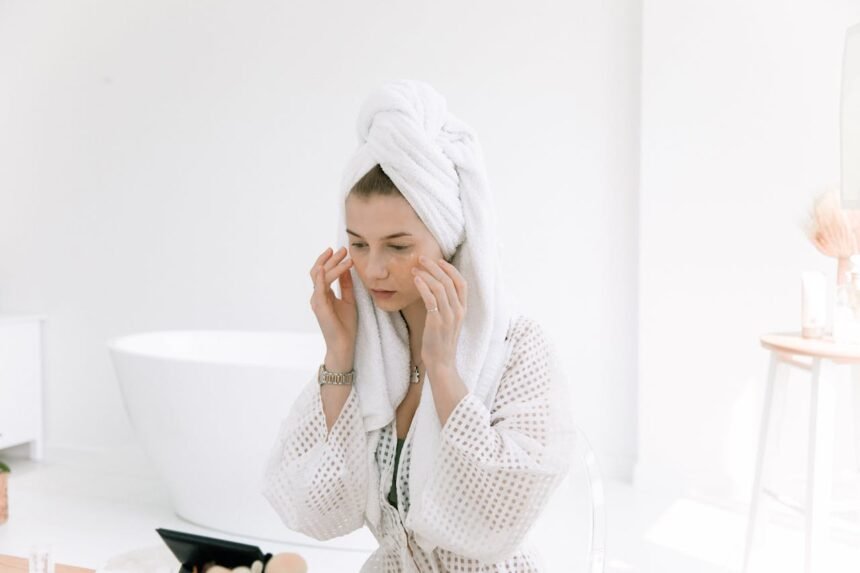
In the vast, often confusing world of skincare, few ingredients have garnered as much acclaim—and intimidation—as retinol. It is frequently touted as the gold standard by dermatologists and beauty editors alike. However, misinformation abounds, leaving many newcomers hesitant to incorporate it into their routine. If you are standing in the skincare aisle feeling overwhelmed, you are not alone. This guide is designed to uncover the truth about retinol for beginners, breaking down the science, the benefits, and the best practices for achieving a radiant complexion safely.
Demystifying the Molecule: What is Retinol?
Before diving into application techniques, it is crucial to understand what you are putting on your face. Retinol is a derivative of Vitamin A. It belongs to a broader class of compounds known as retinoids. While the terms are often used interchangeably, there is a distinction in potency and accessibility.
According to the Cleveland Clinic, Vitamin A is an essential nutrient that supports skin, eye, and reproductive health and immune function. In skincare, it acts as a cell-communicating ingredient. When applied topically, it encourages your skin cells to behave like younger, healthier cells.
The Retinoid Hierarchy
To understand where retinol fits, imagine a ladder of potency:
- Retinyl Palmitate: The mildest form, often found in gentle moisturizers.
- Retinol: The most common over-the-counter (OTC) version. The skin must convert this into retinoic acid to use it.
- Retinaldehyde (Retinal): A step stronger than retinol; requires only one conversion step to become active.
- Adapalene: A synthetic retinoid often used for acne.
- Tretinoin (Retinoic Acid): Prescription-strength. Bio-available immediately upon application.
- Tazarotene/Isotretinoin: Highly potent prescription forms used for severe conditions.
The Science: How Retinol Transforms Skin
The primary reason dermatologists champion this ingredient is its ability to accelerate cell turnover. As we age, our natural cell regeneration process slows down. This leads to a buildup of dead skin cells, resulting in a dull complexion and clogged pores.
By stimulating turnover, retinol helps shed dead layers faster. Simultaneously, it penetrates the deeper layer of the skin (the dermis) to stimulate collagen synthesis. Collagen is the structural protein responsible for skin elasticity and firmness. As confirmed by studies found in the National Center for Biotechnology Information (NCBI), topical application of retinol significantly improves fine wrinkles associated with natural aging.
Key Benefits at a Glance
- Reduction of Fine Lines: Smoothes skin texture over time.
- Acne Management: Unclogs pores and prevents future comedones.
- Pigmentation Correction: Fades dark spots and sun damage.
- Texture Improvement: Results in softer, more even skin.
Navigating the “Retinol Uglies”: Side Effects and Safety
Here is the truth about retinol for beginners that marketing often glosses over: it gets worse before it gets better. This period of adjustment is often referred to as “retinization” or the “retinol uglies.”
Because retinol speeds up cell turnover, your skin may initially react with:
- Dryness and flaking
- Redness and irritation
- A sensation of warmth or stinging
- Purging: An initial breakout as trapped congestion is brought to the surface.
The American Academy of Dermatology (AAD) notes that while these side effects are common, they can be mitigated by introducing the product slowly. It is vital to distinguish between normal retinization and an allergic reaction. If you experience severe burning or hives, discontinue use immediately.
Comparison: Choosing the Right Vitamin A Derivative
Selecting the right product is half the battle. Below is a comparison to help you decide which form of Vitamin A is best suited for your skin type and concerns.
| Feature | Retinol (OTC) | Adapalene (OTC) | Tretinoin (Prescription) | Bakuchiol (Natural Alt) |
|---|---|---|---|---|
| Primary Goal | Anti-aging, Texture | Acne, Clogged Pores | Severe Acne, Deep Wrinkles | Sensitive Skin Anti-aging |
| Potency | Moderate | Moderate to High | Very High | Gentle |
| Irritation Risk | Medium | Medium | High | Low |
| Time to Results | 3–6 Months | 12 Weeks | 6–12 Weeks | 3–6 Months |
| Best For | Beginners, General Aging | Acne-prone skin | Experienced users, Severe aging | Pregnant women, Rosacea |
Note: Bakuchiol is a plant-based alternative that functions similarly to retinol but lacks the structural makeup of Vitamin A. It is often recommended by Healthline for those who cannot tolerate traditional retinoids.

How to Build a Beginner’s Routine
Integrating retinol into your regimen requires patience and a strategic approach. Do not rush to apply it every night.
1. The “Low and Slow” Approach
Start with a low concentration (0.25% or 0.5%) and apply it twice a week. If your skin tolerates it well for two weeks, increase to every other night. Eventually, you may work up to nightly use.
2. The Sandwich Method
To buffer the irritation, many dermatologists recommend the sandwich method:
- Cleanse your face and pat dry.
- Apply a layer of lightweight moisturizer.
- Apply a pea-sized amount of retinol.
- Follow with a heavier moisturizer.
The Mayo Clinic emphasizes the importance of moisturizers in maintaining the skin barrier, which is crucial when using active ingredients that can dry out the skin.
3. Sun Protection is Non-Negotiable
Retinol makes your skin more sensitive to UV radiation. Using it without sunscreen can undo all your hard work and lead to further damage. The Skin Cancer Foundation recommends using a broad-spectrum sunscreen with an SPF of at least 30 every single day, regardless of the weather.
Debunking Common Retinol Myths
Myth 1: Retinol thins the skin. Fact: While it thins the very top layer of dead skin (the stratum corneum), it actually thickens the dermis by stimulating collagen. This makes the skin structurally stronger.
Myth 2: You cannot use retinol around the eyes. Fact: The eye area is where wrinkles often appear first. You can use it there, but you should use a product specifically formulated for the eyes or buffer significantly with moisturizer.
Myth 3: Young people shouldn’t use it. Fact: While commonly marketed for mature skin, dermatologists often prescribe retinoids to teenagers for acne. For anti-aging, starting in your mid-20s is generally considered appropriate preventive care.
Myth 4: You must stop using it in the summer. Fact: You can use retinol year-round. However, because of increased sun sensitivity, your diligence with SPF must be absolute during summer months.
Interactions: What Not to Mix
When you start retinol, simplify the rest of your routine. Avoid using other potent actives at the same time to prevent chemical burns or barrier damage.
- Avoid mixing with: Alpha Hydroxy Acids (AHAs like Glycolic Acid), Beta Hydroxy Acids (BHAs like Salicylic Acid), and Vitamin C (L-Ascorbic Acid) in the same application.
- Safe to mix with: Hyaluronic Acid, Niacinamide, and Ceramides.
The U.S. Food and Drug Administration (FDA) provides guidelines on using acids, noting that combining exfoliants can increase the likelihood of skin irritation.
When to See a Professional
While OTC retinol is fantastic for general maintenance and mild concerns, it has its limits. If you suffer from cystic acne, deep scarring, or profound hyperpigmentation (like melasma), over-the-counter options may not suffice. In these cases, consulting a board-certified dermatologist is the best course of action. They can prescribe stronger retinoids like Tretinoin or suggest in-office procedures.
Resources like DermNet NZ offer extensive libraries of skin conditions and treatments if you wish to research specific symptoms before your appointment.
Conclusion
Embracing the truth about retinol for beginners means accepting that great skin is a marathon, not a sprint. Retinol is arguably the most extensively studied and proven ingredient in the modern skincare arsenal. Its ability to rewind the clock on fine lines and clear acne is unmatched, provided you respect its potency.
Remember the golden rules: start slow, moisturize heavily, and never skip sunscreen. If you are ready to transform your skin, pick up a gentle retinol serum today and take that first step toward a healthier, more radiant future.
Disclaimer: This article is for informational purposes only and does not constitute medical advice. Always consult with a dermatologist before starting a new prescription skincare treatment.