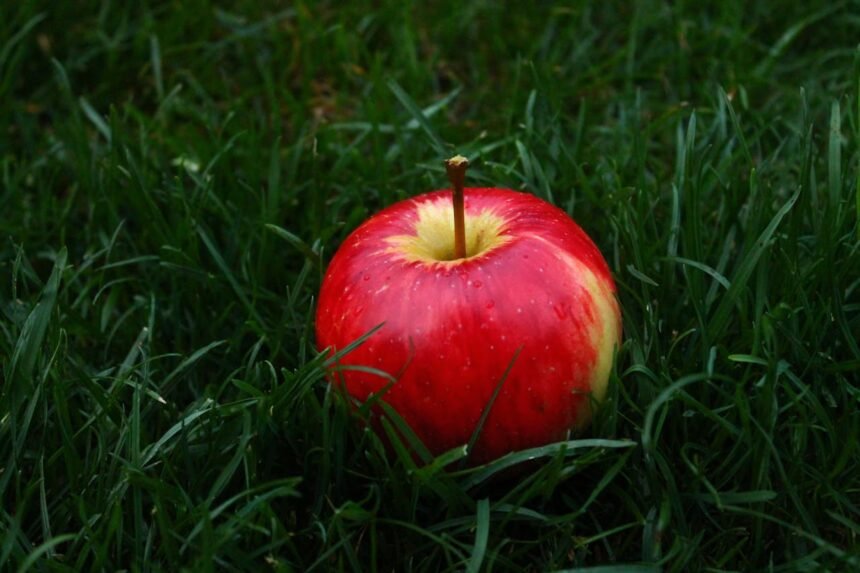
In the pursuit of a flawless, glowing complexion, the beauty industry often pivots between high-tech synthetic compounds and ancient natural remedies. Recently, however, a bridge has been built between the two, highlighting the potent efficacy of fruit-based bio-actives. Among these, the humble apple (Malus domestica) has emerged as a powerhouse ingredient. Specifically, utilizing apple enzymes for brighter skin has become a cornerstone recommendation for dermatologists and estheticians seeking gentle yet effective exfoliation.
While we often hear the adage “an apple a day keeps the doctor away,” applying apple-derived treatments might just keep dullness, congestion, and premature aging at bay. This comprehensive guide explores the science behind apple enzymes, how they compare to other exfoliants, and how you can integrate them into your routine for a revitalized radiance.
The Science of Enzymatic Exfoliation
To understand why apple enzymes are so effective, one must first understand the mechanism of exfoliation. Our skin naturally sheds dead cells in a process called desquamation. However, as we age, this process slows down, leading to a buildup of keratin proteins that make the skin look dull and tired.
Unlike physical scrubs that use abrasive particles to scrape the surface, or strong chemical acids that dissolve the intercellular “glue,” enzymes function as biological catalysts. According to Scientific American, enzymes accelerate chemical reactions. In skincare, they specifically digest the keratin protein connecting dead skin cells to the surface, allowing them to slough off naturally without disrupting the skin’s pH balance as aggressively as some acids might.
Apple Enzymes vs. Alpha Hydroxy Acids (AHAs)
Apples are unique because they offer a dual-action approach. They contain natural fruit enzymes, but they are also a rich source of Malic Acid, a gentle Alpha Hydroxy Acid (AHA).
- Enzymes: Work on the surface to digest dead protein. Best for sensitive skin.
- Malic Acid: Penetrates slightly deeper to boost hydration and turnover.
This synergy makes apple enzymes for brighter skin a multifaceted treatment, addressing texture and tone simultaneously.
The Phytochemical Powerhouse: What’s Inside an Apple?
The efficacy of apple-based skincare is not just about exfoliation. Apples are loaded with phytochemicals that support overall skin health.
1. Malic Acid
As noted by the National Center for Biotechnology Information (NCBI), Malic Acid is a dicarboxylic acid that contributes to the pleasant sour taste of fruits. In dermatology, it is celebrated for its ability to improve skin texture and reduce the appearance of fine lines by promoting cell turnover. Because its molecular size is larger than Glycolic acid, it penetrates slower, causing less irritation.
2. Vitamin C and Quercetin
Apples are rich in Vitamin C, a prerequisite for collagen synthesis. According to Harvard Health, topical Vitamin C can prevent sun damage and improve the appearance of wrinkles and dark spots. Furthermore, the flavonoid Quercetin acts as a potent antioxidant, protecting skin cells from oxidative stress caused by pollution and UV radiation.
Comparative Analysis: Apple vs. Other Fruit Enzymes
Not all fruit enzymes are created equal. While Papaya (Papain) and Pineapple (Bromelain) are popular, apple enzymes occupy a unique niche regarding tolerability and hydration.
| Feature | Apple Enzymes | Papaya (Papain) | Pineapple (Bromelain) | Pumpkin Enzymes |
|---|---|---|---|---|
| Primary Active | Amylase / Malic Acid | Papain | Bromelain | Protease / Vitamin A |
| Intensity | Mild to Moderate | Moderate to Strong | Strong | Moderate |
| Best For | Sensitive, Dry, & Dull Skin | Oily & Acne-Prone Skin | Thick, Congested Skin | Aging & Acneic Skin |
| Key Benefit | Brightening & Hydration | Deep Cleansing | Protein Digestion | Cell Turnover |
| Irritation Risk | Low | Medium | High | Medium |
Table 1: A comparison of common fruit enzymes used in skincare formulations.

Benefits of Using Apple Enzymes for Brighter Skin
Integrating apple enzymes into your regimen offers a multitude of benefits that go beyond simple exfoliation.
Enhanced Radiance and Tone
The primary draw is the “glow factor.” By removing the grey, oxidized layer of dead skin cells, apple enzymes reveal the fresh, hydrated skin beneath. This effectively treats hyperpigmentation and uneven skin tone.
Deep Hydration
Unlike harsh scrubs that strip the lipid barrier, apple enzymes respecting the skin’s moisture levels. Malic acid is a humectant, meaning it draws moisture from the environment into the skin. The Mayo Clinic emphasizes the importance of humectants in maintaining skin barrier integrity.
Pore Refinement and Acne Control
By digesting surface debris, these enzymes prevent dead cells from clogging pores, which is a primary precursor to acne. For those suffering from “maskne” or hormonal breakouts, this offers a non-abrasive solution to keep pores clear.
Incorporating Apple Enzymes into Your Routine
To truly leverage apple enzymes for brighter skin, consistency and application method matter. Whether you opt for commercial products or high-quality DIY treatments, here is how to proceed safely.
Commercial Formulations
Look for serums, toners, or peeling masks that list Pyrus Malus (Apple) Fruit Extract high on the ingredient list. High-end beauty authorities like Vogue frequently cite enzyme peels as a necessary step for pre-event skin prep because they provide instant smoothing without the downtime of a chemical peel.
The DIY Apple Face Mask
While store-bought products are stabilized, a fresh mask can be invigorating.
- Grate half a raw apple (organic is best to avoid pesticides).
- Mix with one tablespoon of honey (antimicrobial properties).
- Apply to a clean face for 10–15 minutes.
- Rinse with lukewarm water.
Note: Fresh enzymes degrade quickly, so this must be used immediately.
Safety, Suitability, and Precautions
While apple enzymes are generally safer than synthetic peels, skin reactivity varies.
Who Should Use It?
Apple enzymes are excellent for nearly all skin types, particularly:
- Sensitive Skin: Those who cannot tolerate Glycolic acid.
- Mature Skin: Those needing hydration alongside exfoliation.
- Dull Skin: Those battling environmental stressors.
Precautions
Always perform a patch test before applying a new product to your face. As advised by the American Academy of Dermatology (AAD), over-exfoliation can damage the skin barrier. Signs of over-use include redness, tightness, or a stinging sensation.
Furthermore, while enzymes are not as photosensitizing as high-strength Retinols, removing the dead skin layer always leaves fresh skin more vulnerable to the sun. The Skin Cancer Foundation recommends applying a broad-spectrum sunscreen of at least SPF 30 daily, regardless of the exfoliant used.
The Future of Natural Skincare
The move toward apple enzymes reflects a broader shift in the cosmetics industry toward “Upcycled Beauty.” Many apple extracts are now sourced from the food industry’s byproducts (pomace and peels), reducing waste. According to Cosmetics Design, sustainable sourcing is becoming a non-negotiable demand for modern consumers. By choosing apple-based products, you are often supporting a more circular, eco-friendly economy.
Conclusion: Unveil Your Best Skin
Achieving a luminous complexion does not require harsh chemicals or aggressive procedures. The use of apple enzymes for brighter skin represents the perfect marriage of nature and science—gentle enough for daily use yet powerful enough to produce visible changes. By digesting dead protein and infusing the skin with hydration and antioxidants, apple extracts offer a holistic path to skin health.
Whether you are looking to smooth fine lines, clear congestion, or simply get that coveted “glass skin” glow, it might be time to look toward the orchard. Revitalize your radiance by embracing the power of the apple, and let your natural complexion shine through.
Disclaimer: This article is for informational purposes only and does not constitute medical advice. Always consult with a dermatologist before starting a new skincare treatment, especially if you have pre-existing skin conditions.