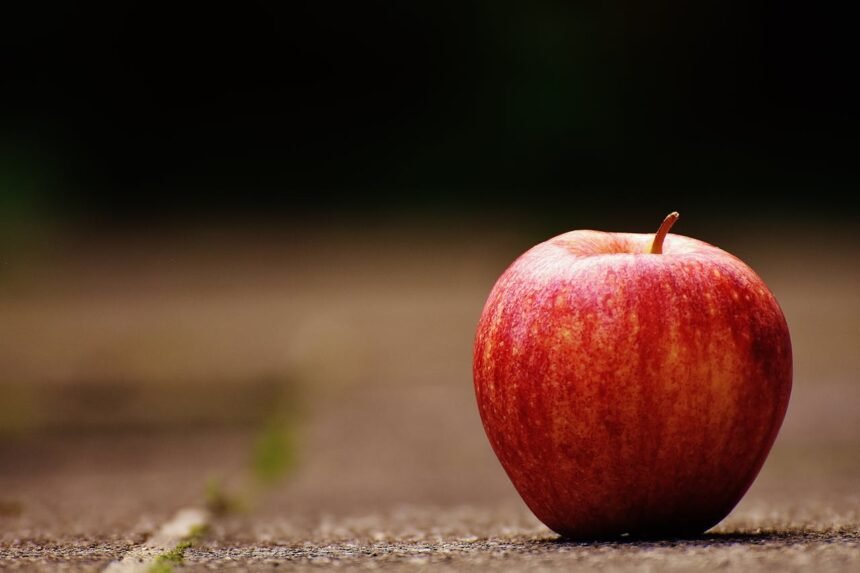
In the realm of modern skincare, the pendulum is swinging back toward nature. As consumers become increasingly wary of unpronounceable ingredients and synthetic preservatives, the allure of botanical solutions has grown stronger. Among the myriad of natural ingredients, the humble apple (Malus domestica) stands out—not just as a dietary staple, but as a powerhouse for dermatological health. Specifically, crafting a homemade apple skin astringent allows beauty enthusiasts to harness the raw potency of fruit acids to achieve refined pores and a radiant complexion.
This guide explores the science behind apple-based skincare, provides a detailed tutorial on creating your own astringent, and discusses how this zero-waste beauty hack can transform your skincare regimen.
The Science of Apples in Skincare: More Than Just a Snack
To understand why a homemade apple skin astringent is effective, we must look at the chemical composition of the fruit. Apples are rich in phytochemicals, antioxidants, and most importantly, Alpha Hydroxy Acids (AHAs).
Malic Acid: Nature’s Exfoliant
The primary active component in apples is Malic Acid. Unlike harsh physical scrubs that can cause micro-tears in the skin, malic acid works chemically to dissolve the glue-like bonds holding dead skin cells together. This process promotes gentle exfoliation, leading to brighter skin and less congestion within the pores.
Vitamin C and Quercetin
Apples are also abundant in Vitamin C (ascorbic acid) and Quercetin. According to the National Institutes of Health (NIH), Vitamin C plays a crucial role in collagen synthesis and protects against UV-induced photodamage. Quercetin, a potent flavonoid, offers anti-inflammatory properties that can help soothe irritated skin and reduce redness.
Why Choose a Homemade Apple Skin Astringent?
Commercial toners often rely on high concentrations of alcohol, which can strip the skin of its natural oils, leading to a compromised moisture barrier. By contrast, a DIY apple astringent offers a balanced approach to oil control and pH regulation.
1. pH Balancing
Human skin is naturally acidic, with a pH ranging between 4.7 and 5.75. Tap water and alkaline soaps can disrupt this mantle. An apple-based astringent helps restore the skin’s natural pH balance, creating an environment where healthy skin flora can thrive while pathogenic bacteria are kept at bay.
2. Pore Refining
The astringent properties of apple skins help to tighten the appearance of pores. By clearing out sebum and dead skin cells via the action of malic acid, the pores appear smaller and less visible, resulting in a smoother texture.
3. Sustainability and Zero Waste
Utilizing apple peels aligns with the principles of the zero-waste movement. According to the U.S. Environmental Protection Agency (EPA), food waste is a significant environmental issue. Repurposing peels for skincare is a practical step toward sustainable living.
Data Comparison: Commercial Toner vs. Homemade Apple Astringent
The following table illustrates the key differences between a standard drug-store alcohol-based toner and a handcrafted apple astringent.
| Feature | Commercial Alcohol Toner | Homemade Apple Skin Astringent |
|---|---|---|
| Primary Active | Salicylic Acid / Synthetic Alcohol | Natural Malic Acid / Acetic Acid |
| Preservatives | Parabens, Phenoxyethanol | Natural acids (short shelf life) |
| Cost (Approx.) | $15.00 – $40.00 USD | < $1.00 USD |
| pH Impact | Can be overly drying (pH < 3.5) | Balanced (pH ~4.0 – 5.0) |
| Environmental Impact | Plastic packaging, chemical runoff | Biodegradable, zero-waste |
| Best For | Severe Acne (under supervision) | Dullness, Texture, Mild Congestion |
Step-by-Step Guide: Making Your Homemade Apple Skin Astringent
Creating this astringent is simple, but hygiene is paramount to prevent bacterial growth. Since this recipe lacks synthetic preservatives, cleanliness during preparation is key.
Ingredients and Equipment
- Apple Peels: From 2-3 organic apples. Note: Organic labeling ensures the skins are free from synthetic pesticides which you do not want on your face.
- Water: Distilled or filtered water is essential to prevent introducing minerals or tap water contaminants.
- Apple Cider Vinegar (ACV): Optional, but enhances the astringent quality. Look for ACV with “the mother.”
- Sterile Jar: Glass masonry jars work best.
The Process
- Preparation: Thoroughly wash the apples. Peel them, leaving a bit of flesh on the skin. You can eat the rest of the apple or use it for cooking.
- Submersion: Place the peels into your sterilized glass jar. Pack them down slightly.
- Infusion: Pour boiling distilled water over the peels until they are completely submerged. If you are adding ACV, add 1 tablespoon after the water has cooled slightly to preserve the enzymes.
- Steeping: Cover the jar with a breathable cloth (like cheesecloth) secured with a rubber band if you are looking for a fermented toner, or seal it tight for a simple infusion. Let it sit in a cool, dark place for 24 to 48 hours.
- Straining: After the steeping period, strain the liquid through a fine-mesh sieve or coffee filter into a clean, sterile bottle.
- Storage: Store the liquid in the refrigerator. It will last for approximately one week.
Enhancing Your Formula
Once you have mastered the base recipe, you can customize your homemade apple skin astringent to target specific skin concerns.
- For Soothing: Add dried Chamomile flowers during the steeping process to calm sensitive skin.
- For Acne-Prone Skin: Add a few drops of Tea Tree Oil or dilute with Witch Hazel, a natural astringent derived from the Hamamelis virginiana plant.
- For Hydration: Mix in a teaspoon of vegetable glycerin after straining to add a humectant layer.
Application and Safety Precautions
Even natural ingredients can cause reactions. It is vital to approach DIY skincare with the same caution as clinical products.
How to Apply
- Cleanse your face with a gentle cleanser.
- Soak a reusable cotton pad with your cold apple astringent.
- Gently swipe across the face, focusing on the T-zone (forehead, nose, chin).
- Let it air dry, then follow up immediately with a moisturizer to seal in hydration.
Patch Testing
Before applying the astringent to your face, perform a patch test on your inner arm. The American Academy of Dermatology (AAD) recommends leaving the product on a small patch of skin to ensure no allergic reaction occurs within 24 hours.
Photosensitivity Warning
Because this astringent contains AHAs (Malic Acid), it can increase your skin’s sensitivity to the sun. As advised by WebMD, always apply a broad-spectrum sunscreen of at least SPF 30 when using products containing alpha hydroxy acids.
Conclusion: The Natural Path to Radiance
Embracing a homemade apple skin astringent is more than a beauty trend; it is a commitment to natural wellness and sustainable living. By understanding the chemical benefits of malic acid and antioxidants, you can take control of your skincare routine, reducing reliance on expensive, chemical-laden commercial products.
This simple elixir offers a dual promise: refining your pores for a smoother complexion while refining your lifestyle for a smaller environmental footprint. We encourage you to try this recipe, experiment with add-ins, and witness the clarifying power of nature firsthand.
Disclaimer: This article is for informational purposes only and does not constitute medical advice. If you have severe acne or skin conditions like eczema, consult a dermatologist before introducing new DIY products.
Have you tried making your own skincare products? Share your experience or your favorite natural ingredients in the comments below!