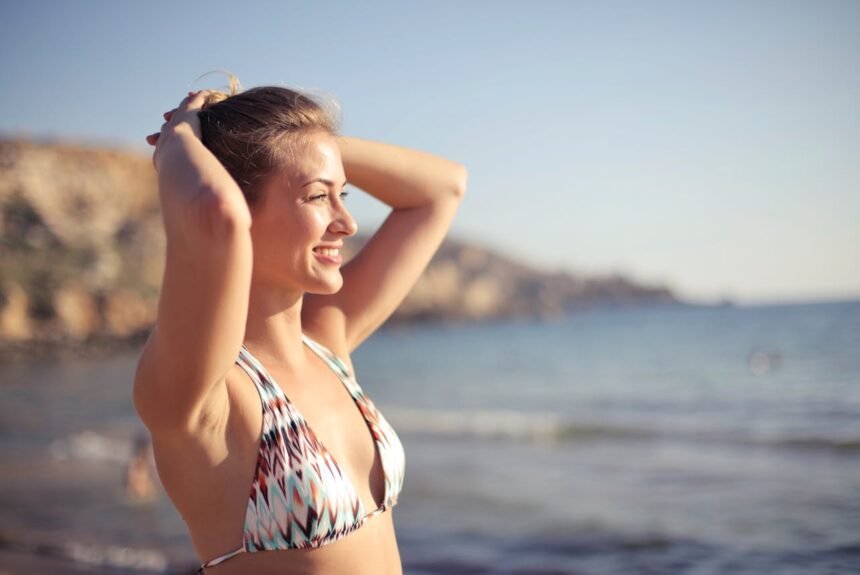
Possessing an athletic body type is a testament to strength, discipline, and vitality. Often characterized by broad shoulders, muscular limbs, and a straighter silhouette with subtle curves, the athletic build—sometimes referred to as the “rectangle” or “inverted triangle” shape—is the envy of many. However, shopping for swimwear can present a unique set of challenges. The goal often shifts from merely covering up to finding pieces that soften angular lines, create the illusion of curves, or celebrate the powerful physique you have worked hard to build.
Finding the bikini styles for athletic body types is not just about fit; it is about balancing proportions and enhancing your natural geometry. Whether you are a competitive swimmer, a CrossFit enthusiast, or simply naturally lean, the right swimwear can transform your beach confidence. In this comprehensive guide, we will dive deep into the cuts, fabrics, and designs that flatter muscular frames, supported by expert styling tips and functional advice.
Understanding the Athletic Silhouette
Before diving into specific styles, it is crucial to understand the geometry of the athletic figure. Generally, this body type features shoulders and hips that are roughly the same width, with a waist that is not significantly smaller than the hips. This creates a balanced, albeit straighter, appearance.
According to fashion experts at Who What Wear, the objective when styling this shape is often to create visual breaks that mimic an hourglass figure or to highlight the toned muscle definition in the legs and back. Unlike pear shapes that aim to minimize hips, or apple shapes that seek to define the waist, the athletic body type has the versatility to wear minimal coverage styles that might be daunting for others.
The Art of Creating Curves: Top Selection
The top you choose plays a pivotal role in defining your upper body silhouette. For athletic builds, particularly those with smaller busts or broader shoulders, the strategy is twofold: add volume or soften the shoulder line.
1. The Classic Triangle Top
Triangle tops are a staple for a reason. The diagonal lines of the straps draw the eye inward, breaking up the width of the chest and shoulders. This style is particularly effective for those with smaller busts, as it provides coverage without overwhelming the frame. Look for styles with adjustable sliding cups to control the coverage width.
2. Halter Necks for Support and Style
If you have broader shoulders—a common trait among swimmers and tennis players—a halter top is your best friend. By tying behind the neck, these tops create a deep V-shape that draws the eye vertically rather than horizontally. This elongates the torso and softens the shoulder line. Resources from StyleCaster suggest opting for thicker straps if you have a larger bust to ensure adequate support while maintaining that flattering aesthetic.
3. Embellished and Ruffled Bandeaus
To create the illusion of a fuller bust and a curvier upper body, texture is key. Bandeau tops with ruffles, fringing, or ruching add physical volume to the chest area. This added dimension contrasts with a flat stomach, helping to create the visual of a waistline indentation.
4. Padding and Push-Ups
Don’t shy away from structured tops. Molded cups and push-up styles add roundness to the bust, which helps counterbalance a straight torso. This is a technique often cited in Cosmopolitan’s swimwear guides for adding instant femininity to a muscular frame.
Bottoms Up: Enhancing Glutes and Hips
When it comes to bikini styles for athletic body types, the choice of bottoms is where you can truly manipulate your silhouette. The goal here is usually to create the illusion of wider hips or a rounder posterior to contrast with the waist.
1. Tie-Side Bottoms
The holy grail for the rectangle shape is the tie-side bikini bottom. The knots or bows at the hips add literal width to the hip bone area. This added volume makes the waist appear smaller by comparison. furthermore, the adjustability is perfect for muscular thighs that might fluctuate in size depending on your training cycle.
2. The High-Cut Leg (The 80s Look)
Revived from the 1980s fitness craze, the high-cut or “French cut” leg is exceptionally flattering on athletic legs. By exposing more of the thigh and sitting higher on the hip bone, these bottoms elongate the legs further and highlight the glute muscles. As noted by Vogue, this style prevents the “cutting off” effect that low-rise bottoms can have on muscular legs.
3. Ruched and Cheeky Cuts
Athletic bodies often have strong glutes. Celebrate them with cheeky cuts (Brazilian cuts) rather than full-coverage bottoms. Full coverage can sometimes flatten a muscular bottom, whereas a cheeky cut contours the natural roundness. Additionally, bottoms with ruching (gathered fabric) down the center back can enhance the curve of the buttocks.
Prints, Patterns, and Fabrics
The visual impact of swimwear isn’t just about the cut; it’s about the surface design.
- Horizontal Stripes: While often avoided by other body types, horizontal stripes are excellent for athletic builds as they create the illusion of width at the bust and hips.
- Bold Prints: Florals, geometric patterns, and animal prints add visual noise that distracts from a straighter silhouette, adding depth and dimension.
- Textured Fabrics: Ribbed fabrics, seersucker, and crochet are trending materials that add bulk in the right places without looking heavy.
For those interested in the science of fabric and fit, Textile Learner offers insights into how elastane and nylon blends support muscle compression while maintaining shape.
Performance Meets Aesthetics
Many women with athletic bodies are actually doing athletics on the beach—surfing, volleyball, or swimming laps.
- Sports Luxe: This trend was made for you. Think crop-top bikini sets with racerbacks. They offer the support of a sports bra but with a fashion-forward edge. Brands like Nike Swim have perfected this hybrid.
- Cross-Back Straps: Unlike neck ties that can cause strain, cross-back straps distribute weight evenly, essential for active beachgoers.

Comparison: Styles vs. Visual Effect
To simplify your shopping experience, here is a breakdown of how different elements alter the perception of the athletic body.
| Bikini Element | Visual Effect on Athletic Body | Best For |
|---|---|---|
| Tie-Side Bottoms | Adds width to hips; makes waist look smaller | Creating an hourglass illusion |
| High-Cut Leg | Elongates legs; highlights quad definition | Short torsos or muscular legs |
| Ruffles/Fringe | Adds volume and dimension | Smaller busts; straight torsos |
| Halter Top | Softens broad shoulders; creates vertical line | Broad shoulders (Swimmer’s build) |
| Solid, Dark Colors | Slims and streamlines | highlighting muscle definition strictly |
| Belted Bottoms | Defines a waistline where there may not be one | Rectangular body shapes |
Styling Tips to Complete the Look
Accessorizing is the final step in curating the perfect beach look.
- Body Chains: A delicate gold body chain that wraps around the waist can visually nip it in, creating a focal point at the narrowest part of your torso.
- Sarongs: Tying a sarong specifically at the hip (not the waist) adds volume to the lower half, enhancing the hip-to-waist ratio.
- Hats: A wide-brimmed hat balances broad shoulders by adding width to the head area, creating a harmonious symmetry.
For more on accessorizing based on body shape, Harper’s Bazaar provides seasonal guides that are incredibly useful.
Common Mistakes to Avoid
- Bandeaus without Detail: A plain, flat bandeau can flatten the chest and make the torso look wider and boxier. Always opt for detail.
- Boy Shorts: Ironically, boy shorts can make hips look boxier and legs look shorter. Stick to higher cuts to lengthen the limb.
- Shapeless Tankinis: Unless they are fitted, these can hide your toned physique and make you look blocky.
FAQ: Swimming Through the Confusion
Q: Can athletic body types wear high-waisted bikinis?
A: Yes, but be careful with the cut. Avoid bottoms that cut straight across the waist, as this emphasizes boxiness. Look for high-waisted bottoms with a high-leg cut or a dipped waistband (V-shape) to soften the lines. Read more on waist styling at The Zoe Report.
Q: What if I have a muscular back and struggle with clasps?
A: Look for tie-back tops or fixed-back sports styles. Many brands now cater to muscular builds with adjustable bands. Fixed backs (like a sports bra) prevent the “digging in” sensation.
Q: Are one-pieces flattering for athletic types?
A: Absolutely. Look for “monokinis” or one-pieces with side cutouts. These cutouts create an artificial waistline, giving you drastic curves instantly. Check out styles referenced by Elle Magazine regarding cutout trends.
Q: How do I balance very broad shoulders?
A: Avoid tiny spaghetti straps that sit wide on the shoulder. Thicker straps or halter necks break up the shoulder width. Asymmetrical (one-shoulder) tops also work wonders by creating a diagonal visual line.
Q: What is the best material for competitive swimming vs. lounging?
A: For lounging, textured fabrics look great. For activity, look for Chlorine-resistant PBT or Polyester blends, which hold their shape better than standard Lycra. SwimOutlet has excellent technical guides on fabric durability.
Conclusion
Finding the best bikini styles for athletic body types is an exercise in understanding balance and illusion. You possess a frame capable of incredible movement and strength; your swimwear should honor that. By leveraging tie-side bottoms to create hips, ruffles to add volume, and high cuts to celebrate your legs, you can craft a silhouette that feels both feminine and powerful.
Remember, the rules of fashion are meant to be broken. While this guide provides a structural foundation, the most attractive quality you can wear is confidence. Whether you choose a ruffled triangle set or a sleek sports-luxe two-piece, wear it with the pride of someone who has built their body to last.