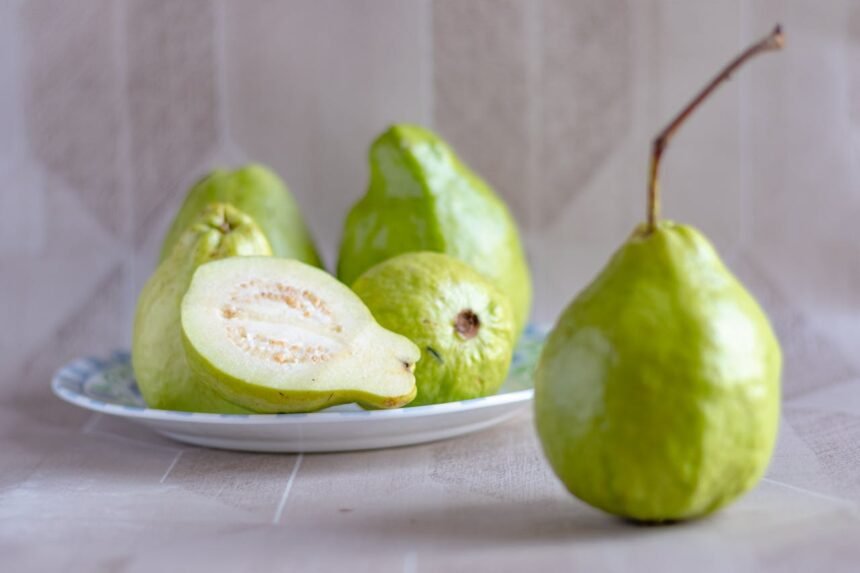
In the pursuit of glowing, youthful skin, we often scour the aisles of high-end beauty stores for the latest serums containing Vitamin C, antioxidants, and exfoliating acids. However, the secret to a radiant complexion might be sitting in your fruit bowl—specifically, in the parts you usually throw away. While the flesh of the Psidium guajava (common guava) is celebrated for its distinct flavor and health benefits, the usage of guava fruit peel for skin is a rapidly emerging trend in the world of natural beauty.
Historically utilized in tropical regions for various medicinal purposes, the peel of the guava fruit is a powerhouse of nutrients that often surpasses the flesh in concentration. Before you discard your next peel, consider the potent dermatological potential hiding within this humble fruit skin.
The Nutritional Powerhouse: What’s Inside?
To understand why guava peel is effective, we must first look at its chemical composition. Guava is scientifically recognized as a superfruit, primarily due to its exceptionally high Vitamin C content. According to the USDA FoodData Central, guavas contain four times the amount of Vitamin C found in oranges. A significant portion of these nutrients is concentrated in the exocarp (the peel).
Key Phytochemicals in Guava Peel:
- Vitamin C (Ascorbic Acid): Essential for collagen synthesis and skin elasticity.
- Lycopene: A carotenoid pigment that acts as a strong antioxidant, protecting against UV damage.
- Flavonoids and Tannins: Compounds with potent anti-inflammatory and antimicrobial properties.
- Potassium: Helps hydrate and moisturize the skin.
Top Benefits of Guava Fruit Peel for Skin
Incorporating guava fruit peel for skin care routines can address a multitude of dermatological concerns, ranging from acne to premature aging. Here is a deep dive into the specific benefits supported by nutritional science.
1. Potent Anti-Aging and Collagen Production
Free radicals are unstable atoms that damage cells, causing illness and aging. The high concentration of antioxidants in guava peel neutralizes these free radicals. As noted by the Mayo Clinic, antioxidants are crucial in preventing cell damage. By boosting collagen production via Vitamin C, guava peel helps maintain skin firmness and reduces the appearance of fine lines and wrinkles.
2. Natural Acne and Blemish Control
One of the most compelling reasons to use guava peel is its antimicrobial efficacy. Research published on PubMed suggests that extracts from Psidium guajava demonstrate significant inhibitory activity against Propionibacterium acnes, the bacteria responsible for acne breakouts. The tannins found in the peel act as a natural astringent, tightening pores and reducing oil secretion without stripping the skin of necessary moisture.
3. Brightening and Hyperpigmentation Correction
Hyperpigmentation and dark spots are often caused by an overproduction of melanin. Guava peel acts as a natural skin brightener. The exfoliation properties help remove dead skin cells, while the specific antioxidants interfere with tyrosinase production (an enzyme involved in melanin synthesis). This results in a more even skin tone and a reduction in post-inflammatory hyperpigmentation.
Comparative Analysis: Guava Peel vs. Other Fruit Peels
Many DIY skincare enthusiasts are familiar with orange or lemon peels, but guava offers a unique profile. The table below illustrates how guava compares to other common fruit peels used in skincare.
| Feature | Guava Peel | Orange Peel | Banana Peel | Papaya Peel |
|---|---|---|---|---|
| Primary Active Ingredient | Vitamin C & Lycopene | Citric Acid & Vitamin C | Potassium & Vitamins B6/B12 | Papain (Enzyme) & Vitamin A |
| Best For | Anti-aging & Brightening | Oil Control & Acne | Hydration & Puffiness | Exfoliation & Texture |
| Antioxidant Level | Very High | High | Moderate | High |
| Acidity Level | Moderate | High (Can irritate sensitive skin) | Low | Moderate |
| Texture Suitability | All Skin Types | Oily/Combination | Dry/Sensitive | Dull/Rough Skin |
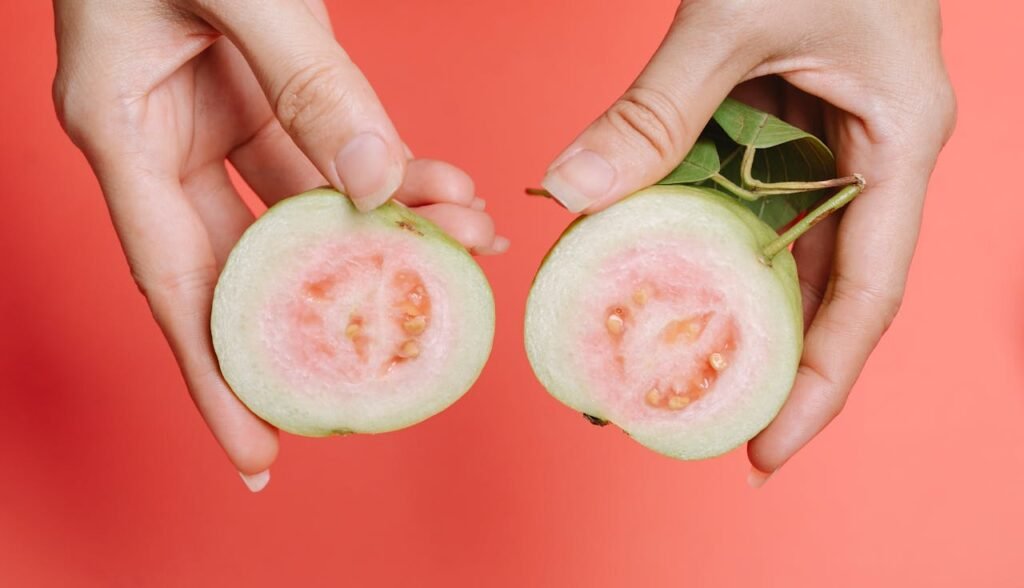
DIY Applications: How to Use Guava Fruit Peel for Skin
To harness these benefits, you cannot simply rub a rough peel on your face without preparation. Here are professional methods to prepare and apply the peel safely.
Method 1: The Dried Powder Exfoliant
This is the most versatile method, allowing for long-term storage.
- Preparation: Wash the guavas thoroughly to remove dirt and potential pesticides. According to the EPA (Environmental Protection Agency), washing and peeling are effective ways to reduce pesticide residues, but since we are using the peel, opt for organic guavas if possible.
- Drying: Peel the fruit and lay the skins on a tray. Sun-dry them for 3-4 days until they are crisp, or use a food dehydrator.
- Grinding: Pulverize the dried peels into a fine powder using a blender or coffee grinder.
- Application: Mix 1 teaspoon of powder with yogurt (for hydration) or rose water (for toning) to create a paste. Apply for 15 minutes and rinse.
Method 2: Fresh Peel Tonic
For immediate use, a boiled tonic can extract water-soluble vitamins.
- Take the peels of two medium guavas.
- Boil them in 2 cups of water for 10–15 minutes.
- Strain the liquid and let it cool.
- Store in a spray bottle and use as a facial mist rich in minerals.
Safety, Sensitivity, and Precautions
While natural ingredients are generally safer than harsh synthetics, “natural” does not mean “irritant-free.”
Patch Testing
The American Academy of Dermatology (AAD) strongly recommends patch testing any new skincare product. Apply a small amount of the guava paste to the inside of your wrist or behind your ear and wait 24 hours to ensure no allergic reaction occurs.
Pesticides and Organic Sourcing
Because the peel is the first line of defense for the fruit, it can accumulate agricultural chemicals. The Environmental Working Group (EWG) frequently updates lists regarding pesticide loads in produce. Whenever using fruit peels for skincare, sourcing organic or localized, pesticide-free guavas is paramount to avoid introducing toxins into your skin barrier.
Frequency of Use
Due to the enzymatic activity and Vitamin C content, overuse can lead to dryness or sensitivity. Limit exfoliation with guava peel powder to 1-2 times per week.
The Sustainability Angle: Reducing Food Waste
Beyond vanity, utilizing guava peels aligns with global sustainability goals. Food waste is a massive contributor to greenhouse gas emissions. The World Wildlife Fund (WWF) estimates that we waste about 40% of the food we produce. By repurposing fruit peels for self-care, you are participating in a circular economy on a household level—reducing waste while enhancing your health.
Conclusion
The next time you slice into a juicy guava, pause before heading to the compost bin. The guava fruit peel for skin benefits are too significant to ignore, offering a natural, cost-effective, and scientifically backed alternative to synthetic skincare products. From high levels of Vitamin C to powerful antimicrobial properties, this tropical fruit peel is a hidden gem in the world of dermatology.
Whether you choose to dry it into a powder or boil it into a refreshing toner, you are treating your skin to nature’s best ingredients. Start small, patch test, and watch your skin transform with the power of the guava.
Ready to upgrade your natural skincare routine? Try making your own guava peel powder this weekend and share your results!