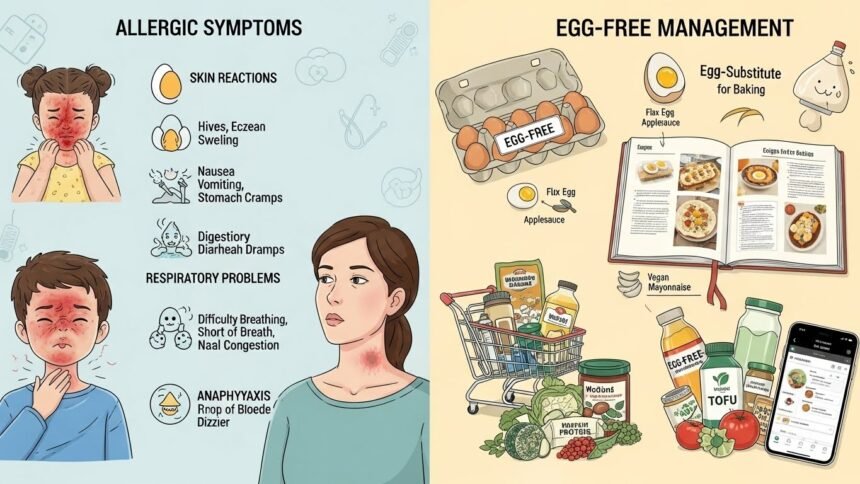
Discovering that you or your child has a negative reaction to eggs can be a distressing experience. It brings a sudden need for vigilance in a world where eggs seem to be in almost everything.
Egg allergy is one of the most common food allergies, particularly in children, though many will eventually outgrow it. However, until that happens, understanding the specific egg allergy symptoms and how to manage the diet is crucial for safety and peace of mind.
Whether it is a mild rash or a more severe reaction, identifying the signs early allows for prompt intervention. This guide aims to provide you with comprehensive, evidence-based information to help you navigate this condition with confidence.
We will explore exactly what happens in the body during an allergic reaction, detail the symptoms to watch for, and offer practical advice on dietary management in the UK context.
What Is an Egg Allergy?
An egg allergy occurs when the body’s immune system mistakenly identifies proteins found in egg whites or yolks as harmful invaders. When you consume egg, your immune system responds by releasing chemicals like histamine, which causes the allergic reaction.
The majority of allergenic proteins are found in the egg white (such as ovalbumin), but some people may also react to proteins in the yolk. Because it is difficult to separate the two completely without cross-contamination, experts usually recommend avoiding eggs entirely if an allergy is diagnosed.
Interestingly, the structure of these proteins can change when heated. This is why some individuals might tolerate cakes or muffins containing baked egg but react severely to lightly cooked or raw eggs. However, you should never experiment with this without medical guidance.
According to the NHS guidance on food allergies, egg allergy is most prevalent in infants and young children, often appearing before the age of twelve months. While many children outgrow it by their teenage years, for some, it remains a lifelong condition requiring constant management.
Recognising Egg Allergy Symptoms
Symptoms can manifest minutes to hours after consumption. They vary significantly from person to person and can even differ from one reaction to the next in the same individual. It is vital to recognise these signs immediately.
Skin Reactions
The most common manifestation of an egg allergy involves the skin. These reactions are often the first indicators that something is wrong.
- Hives (Urticaria): Raised, red, itchy welts that can appear anywhere on the body.
- Eczema flares: Existing eczema may worsen significantly. For more on managing skin conditions, resources from the National Eczema Society can be invaluable.
- Angioedema: Swelling, particularly around the eyelids, lips, and tongue.
Respiratory Symptoms
Respiratory issues are concerning and require immediate attention, especially if the individual has a history of asthma. There is a well-documented link between food allergies and respiratory distress.
- Wheezing: A whistling sound when breathing.
- Shortness of breath: Difficulty drawing a full breath.
- Repetitive coughing: A persistent, dry cough that does not subside.
- Runny or stuffy nose: Often mistaken for a cold or hay fever.
Information from Asthma + Lung UK suggests that managing asthma well is critical for those with food allergies, as poorly controlled asthma can increase the severity of allergic reactions.
Digestive Distress
The gastrointestinal tract often reacts strongly to allergens as the body attempts to expel the offending substance.
- Nausea and vomiting: This can be immediate or delayed.
- Stomach pain: Cramping or abdominal discomfort.
- Diarrhoea: Loose, frequent stools.
Anaphylaxis: A Medical Emergency
In rare cases, an egg allergy can cause anaphylaxis, a severe, life-threatening reaction. This requires an immediate injection of epinephrine (adrenaline) and emergency medical care.
Signs of anaphylaxis include:
- Constriction of airways, making breathing difficult.
- Swelling of the throat or the sensation of a lump in the throat.
- A severe drop in blood pressure (shock).
- Rapid pulse.
- Dizziness, light-headedness, or loss of consciousness.
Organisations like Anaphylaxis UK provide essential action plans for those at risk.
Dietary Management and Actionable Steps
Managing an egg allergy goes beyond simply not eating an omelette. It requires a systematic approach to shopping, cooking, and eating out.
1. Master the Art of Label Reading
In the UK, food labelling laws enforced by the Food Standards Agency require that egg is clearly emphasised in the ingredients list (usually in bold). However, you must also look for less obvious terms in non-food products or imported goods.
Watch out for these terms:
- Albumin
- Globulin
- Lecithin (E322) – though often from soy, check the source.
- Lysozyme (E1105)
- Ovalbumin
- Surimi
2. Beware of Hidden Sources
Eggs are excellent binders and glazing agents, meaning they hide in unexpected places. Vigilance is key when purchasing processed foods.
Common hidden sources include:
- Baked goods: Cakes, biscuits, and pastries.
- Pasta: Fresh pasta often contains egg; dried pasta usually does not, but always check.
- Sauces: Mayonnaise, Hollandaise, and some salad dressings.
- Processed meats: Meatballs, burgers, and breaded foods often use egg as a binder.
- Coffee drinks: Some speciality coffees use egg white foams.
3. preventing Cross-Contamination
Even a trace amount of egg can trigger a reaction. When cooking at home or eating out, ensure that utensils, frying pans, and cutting boards have not touched egg products.
- Kitchen Safety: Use separate sponges for cleaning up egg dishes.
- Toasters: Do not use the same toaster for egg-free bread if it is also used for products like egg-glazed buns.
- Buffets: Avoid open buffets where spoons might be swapped between dishes.
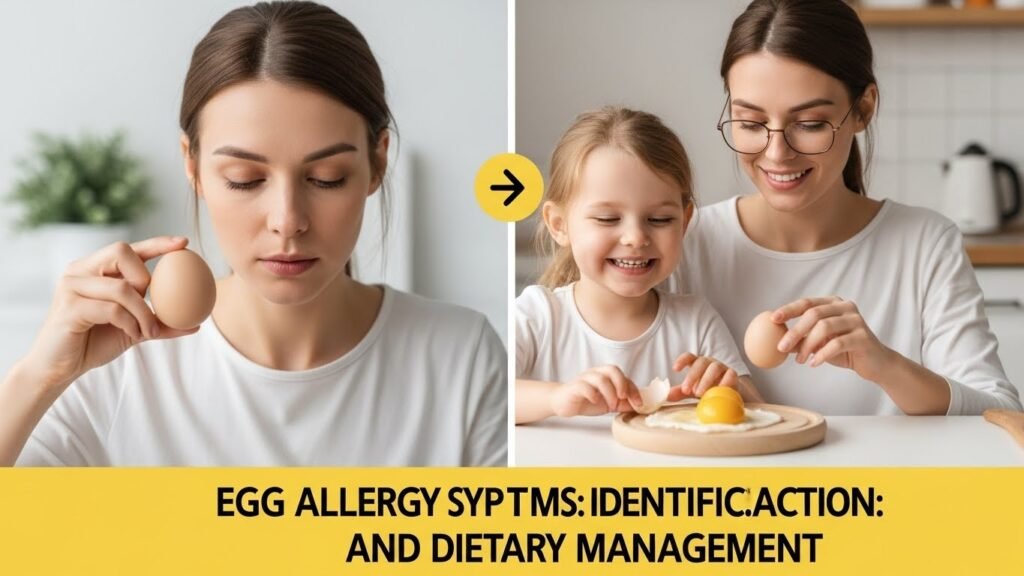
Egg Substitutes Comparison
Cooking without eggs is easier than ever with various alternatives available. The choice of substitute depends on the culinary function the egg was serving (binding, leavening, or moisture).
| Substitute | Best Used For | Ratio (Per Egg) | Notes |
|---|---|---|---|
| Flaxseed Meal | Dense baking (muffins, brownies) | 1 tbsp ground flax + 3 tbsp water | Let sit for 5 minutes until gelatinous. Adds a nutty flavour. |
| Chia Seeds | Puddings, breads, cookies | 1 tbsp chia seeds + 3 tbsp water | similar to flax but creates a darker speckle in light sponges. |
| Mashed Banana | Cakes, pancakes, quick breads | Half a medium banana (approx 60g) | Adds distinct banana flavour and sweetness. |
| Applesauce | Muffins, moist cakes | 60g unsweetened applesauce | Adds moisture but no lift; add extra baking powder. |
| Commercial Egg Replacer | General baking | Follow package instructions | Usually a mix of potato starch and tapioca flour. Flavourless. |
| Aquafaba (Chickpea Water) | Meringues, mousses | 3 tbsp liquid from tinned chickpeas | The only substitute that whips up stiff peaks like egg whites. |
| Silken Tofu | Quiches, custards, pies | 60g blended tofu | Creates a creamy, dense texture. High protein content. |
For more detailed nutritional advice on substitutes, the British Dietetic Association offers excellent fact sheets.
Tips for Living with Egg Allergy
Living with a food allergy requires preparation, but it should not limit your quality of life. Here are professional tips to maintain safety and normality.
- Carry Medication: If prescribed an adrenaline auto-injector (EpiPen or Jext), ensure it is with you at all times and in date.
- Communicate Clearly: When dining out, speak directly to the manager or chef. Use a “chef card” that lists your allergies clearly.
- Educate Others: If your child is allergic, ensure schools and caregivers are fully briefed. Allergy UK offers resources specifically for schools.
- Vaccinations: Historically, the MMR and flu vaccines caused concern for egg-allergic patients. However, current Gov.uk guidelines state that the MMR vaccine is safe for most children with egg allergies, and egg-free flu vaccines are widely available.
- Focus on Whole Foods: A diet rich in vegetables, fruits, grains, and unprocessed meats naturally eliminates the risk of hidden eggs found in processed items.
Frequently Asked Questions
Can I eat baked eggs if I am allergic to raw eggs?
Many people can tolerate eggs that have been baked extensively (e.g., in a cake) because the heat alters the protein structure. However, this varies by individual. Do not attempt this without consulting your allergy specialist first. This is often introduced via a controlled “baked egg challenge”.
Will my child outgrow their egg allergy?
Yes, the prognosis is often positive. Research indicates that a significant percentage of children outgrow egg allergies by adolescence. Regular monitoring by a specialist is required to determine if tolerance has developed.
Are duck or quail eggs safe alternatives?
Generally, no. The proteins in duck, quail, and goose eggs are very similar to those in chicken eggs. There is a high risk of cross-reactivity, so they should be avoided unless a doctor advises otherwise.
How is egg allergy diagnosed?
Diagnosis usually involves a combination of clinical history, skin prick tests, and specific IgE blood tests. In some cases, an oral food challenge is conducted under strict medical supervision to confirm the diagnosis or test for tolerance.
The Bottom Line
An egg allergy diagnosis forces a change in lifestyle, but it is entirely manageable with the right knowledge and preparation. By understanding egg allergy symptoms, reading labels religiously, and utilising effective substitutes, you can enjoy a varied and delicious diet.
Always prioritise safety. If you suspect you or your child has an allergy, seek professional medical advice rather than relying on self-diagnosis. For a broader perspective on managing allergic conditions, you can read this comprehensive guide on Healthline.
Remember, vigilance is your best defence. Stay informed, keep your emergency medication accessible, and ensure that your friends and family understand the importance of your dietary needs. With these steps, you can navigate life with an egg allergy safely and confidently.