For many parents, the scheduled trip to the pediatrician for vaccinations is a source of significant anxiety. It is not just the medical aspect that causes stress, but the emotional toll of seeing one’s child in distress. In recent years, the philosophy of gentle parenting has gained immense traction, prioritizing empathy, respect, and emotional validation. However, navigating the intersection of gentle parenting childhood immunizations can feel contradictory. How do you respect a child’s bodily autonomy while subjecting them to a painful, non-negotiable medical procedure?
The truth is, gentle parenting is not about permissiveness or avoiding difficult experiences. It is about guiding children through those experiences with support and understanding. This article explores how to approach vaccinations through a lens of connection and empathy, ensuring your child stays healthy physically while feeling safe emotionally.
The Intersection of Empathy and Medical Necessity
Gentle parenting focuses on the long-term relationship between parent and child, rooted in mutual respect. Critics often mistake this approach for a lack of discipline or boundaries. However, in a medical context, boundaries are essential.
According to the World Health Organization (WHO), immunization is a global health and development success story, saving millions of lives every year. Choosing to vaccinate is a parenting decision made to protect a child’s long-term well-being. The “gentle” aspect does not come from asking the child if they want the shot, but rather controlling how the experience happens.
Reframing the Experience
Instead of viewing the vaccination as a violation of the child’s comfort, gentle parenting reframes it as a necessary challenge that the parent and child will face together. It shifts the dynamic from “doing this to you” to “supporting you through this.”
Preparation: The Foundation of Trust
Anxiety often stems from the unknown. One of the core tenets of gentle parenting is treating children as capable individuals who deserve to know what is happening to their bodies.
Age-Appropriate Honesty
Lying to a child by saying, “It won’t hurt,” may seem like a kindness in the moment, but it erodes trust. When the needle inevitably stings, the child learns that the parent is not a reliable narrator of danger.
- For Toddlers: Keep it simple and immediate. “We are going to the doctor to keep your body strong. There will be a quick pinch, and then I will hug you tight.”
- For School-Aged Children: Engage their intellect. Explain how vaccines teach their immune system to fight bad germs. The Centers for Disease Control and Prevention (CDC) offers excellent resources for parents to explain how vaccines work in simple terms.
Medical Play
Using a toy doctor kit to role-play the appointment can be incredibly beneficial. Let the child be the doctor giving a shot to a teddy bear. This process, often referred to in psychology as Play Therapy, allows children to process their fears and gain a sense of control over the situation.
During the Appointment: Co-Regulation and Comfort
When the moment arrives, the goal of gentle parenting childhood immunizations is co-regulation—lending your calm nervous system to your child. If you are anxious, your child will sense it.
Comfort Measures and Positioning
Restraining a child against their will on an exam table can be traumatic. Instead, advocate for comfort holds. The Children’s Hospital of Philadelphia suggests holding children in a hug-like position on a parent’s lap, which provides security and reduces limb flailing without making the child feel overpowered.
Practical Gentle Tactics:
- Breastfeeding or Bottle-feeding: For infants, feeding during the injection releases oxytocin and natural pain-relieving endorphins.
- Buzzy Bee or Cold Sprays: utilize the Gate Control Theory of Pain, stimulating the skin with cold and vibration to block pain signals.
- Distraction, not Denial: It is okay to distract a child with a song or a book, but do not ignore their protest. Acknowledge it while redirecting.
Traditional vs. Gentle Parenting Approaches to Vaccination
The following table outlines the shift in perspective when applying gentle parenting principles to immunizations.
| Feature | Traditional / Authoritarian Approach | Gentle Parenting / Responsive Approach |
|---|---|---|
| Preparation | “It won’t hurt a bit.” (False assurance) | “It will feel like a pinch, but it will be over fast.” (Honesty) |
| Bodily Autonomy | Child is physically restrained flat on the table. | Child sits in a “comfort hold” on the parent’s lap. |
| Emotional Response | “Don’t cry,” or “Be a big boy/girl.” | “It’s okay to cry. I know it hurts. I am here.” |
| The Goal | Compliance and speed. | Connection, safety, and health. |
| Aftermath | Distraction with treats to stop crying immediately. | Cuddles to process the emotion, followed by a treat/reward. |
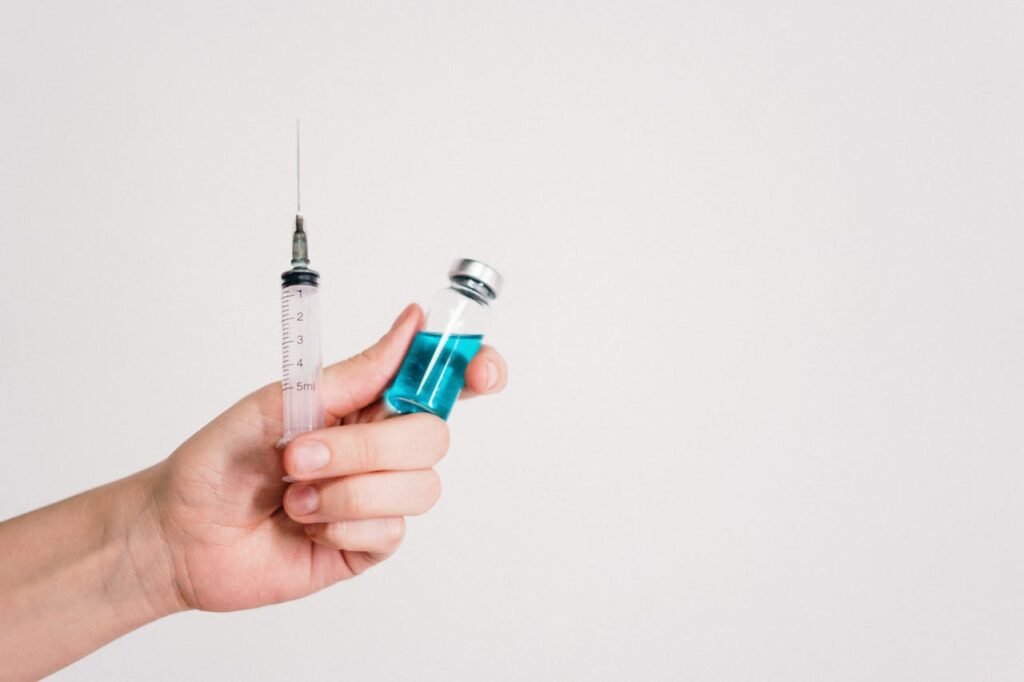
Managing Needle Phobia
Fear of needles is a genuine psychological phenomenon. The Cleveland Clinic notes that trypanophobia affects a significant portion of the population.
If your child has an intense phobia, gentle parenting involves advocacy. Speak to your pediatrician beforehand. Ask about numbing creams (like EMLA cream) applied 30 minutes prior to the appointment. Validating the phobia rather than dismissing it as “drama” helps the child feel understood.
The Aftermath: Validation and Repair
Once the shots are done, the gentle parenting work continues. The immediate reaction from the child will likely be tears or anger.
Avoid Shaming
Avoid phrases like, “See? That wasn’t so bad.” To the child, it was bad. Instead, say, “You were so brave. I know that was hard, but you did it.”
According to HealthyChildren.org, supported by the American Academy of Pediatrics, providing comfort after the fact is crucial for reducing the memory of pain. If the child is angry with you for allowing the pain, validate that too. “You are mad at me because that hurt. I understand. I am sorry it hurt, but I want to keep you healthy.”
Watching for Physical Reactions
Gentle parenting also means being attuned to the child’s physical needs post-vaccination. Be vigilant for fevers or soreness. The Mayo Clinic advises on safe dosages of acetaminophen or ibuprofen to manage post-vaccine discomfort, ensuring the child can rest and recover comfortably.
Addressing Vaccine Hesitancy with Compassion
It is important to note that some parents drawn to natural or gentle living may feel hesitant about vaccines due to misinformation. However, gentle parenting relies on making informed, evidence-based decisions for a child who cannot decide for themselves.
Organizations like UNICEF emphasize that vaccination is a fundamental right of a child to survive and thrive. By researching through credible sources and discussing concerns with a trusted medical provider, parents align with the protective nature of the gentle parenting philosophy.
Conclusion
Gentle parenting childhood immunizations is not about preventing tears; it is about preventing trauma. It is the practice of holding space for your child’s feelings while ensuring their physical protection against serious diseases. By preparing honestly, advocating for comfort measures, and validating their emotions, you transform a scary medical procedure into an opportunity to build trust and resilience.
The next time you visit the pediatrician, remember: you are your child’s safe harbor. Your calm presence is the most powerful pain reliever available.
If you have concerns about your child’s vaccination schedule or anxiety, schedule a consultation with your pediatrician today to create a plan that respects both your child’s emotions and their health.