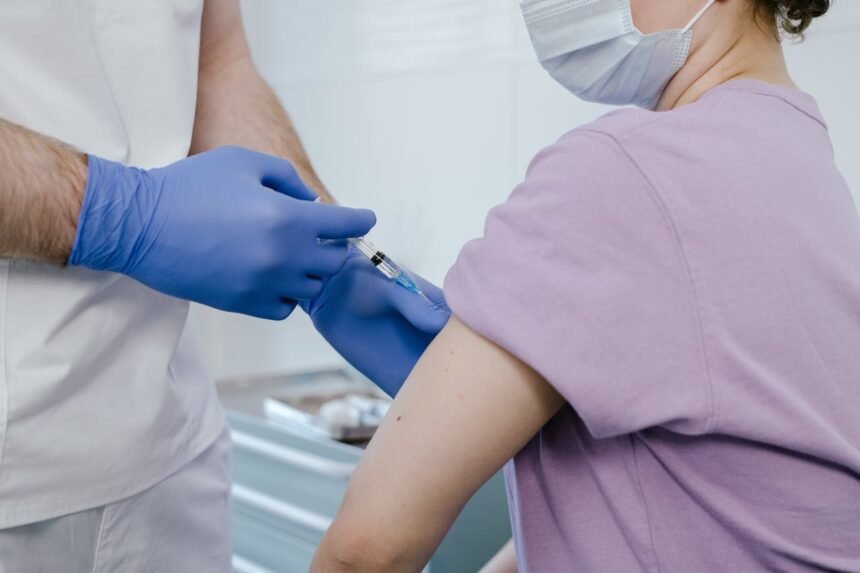
In the realm of public health, few inventions have saved as many lives as vaccinations. They are the invisible shields that protect us from debilitating diseases, ranging from polio to the seasonal flu. However, the protection offered by an initial vaccination series is not always permanent. Over time, the body’s defensive capabilities can naturally diminish, or the pathogens themselves may evolve. This is where the importance of vaccine booster shots becomes undeniable.
Understanding why boosters are necessary, how they work, and when to get them is crucial for maintaining not only individual health but also the safety of our communities. In this comprehensive guide, we will explore the science behind boosters, the specific diseases that require them, and why staying up-to-date with your immunization schedule is a pillar of modern wellness.
Understanding Immunological Memory
To grasp the necessity of booster shots, one must first understand how the immune system functions. When you receive a primary vaccine, your body is introduced to a harmless component of a pathogen (like a protein or an inactivated virus). This triggers your immune system to produce antibodies and activate T-cells, effectively creating a “memory” of the invader.
According to the National Institutes of Health (NIH), this immunological memory allows your body to recognize and fight the actual virus or bacteria if you are exposed to it in the future. However, this memory is not always eternal. Just as human memories fade without reminders, the immune system’s readiness can decline. This phenomenon is known as “waning immunity.”
The Mechanism of Waning Immunity
There are two primary reasons why immunity fades:
- Drop in Antibody Levels: Over time, the quantity of circulating antibodies produced after the initial vaccine decreases. While memory B-cells remain, the immediate line of defense is weaker.
- Viral Mutation: Pathogens, particularly viruses like Influenza and SARS-CoV-2, mutate rapidly. The specific “mugshot” your immune system has on file might not match the current version of the virus.
The Core Importance of Vaccine Booster Shots
A booster shot is essentially a reminder for your immune system. It re-exposes the body to the immunizing antigen, triggering a rapid and robust production of fresh antibodies. The importance of vaccine booster shots lies in their ability to restore protection levels to—or even above—the initial peak.
1. Preventing Severe Illness and Hospitalization
The primary goal of vaccination is often preventing severe outcomes rather than stopping every single case of infection. Data consistently shows that individuals who are up-to-date with boosters have significantly lower rates of hospitalization compared to those with waning immunity. The Centers for Disease Control and Prevention (CDC) emphasizes that boosters are a critical tool in reducing mortality rates, particularly among the elderly and immunocompromised.
2. Adapting to New Variants
As viruses evolve, they can develop structures that evade older antibodies. Updated booster shots—such as the bivalent COVID-19 vaccines or the annual flu shot—are formulated to target the most dominant circulating strains. This adaptability ensures that your biological armor remains effective against current threats.
3. Protecting the Community (Herd Immunity)
Vaccination is a communal effort. Some individuals, such as newborns or those undergoing chemotherapy, cannot receive certain vaccines. They rely on herd immunity—a state where a sufficient percentage of the population is immune, preventing the spread of the disease. By getting boosted, you reduce your viral load and the likelihood of transmitting the disease to vulnerable neighbors. The World Health Organization (WHO) notes that maintaining high immunity levels in the population is essential to preventing outbreaks.
Comparison: Primary Series vs. Booster Shots
To visualize the distinct roles these injections play, consider the following comparison:
| Feature | Primary Vaccination Series | Booster Shot |
|---|---|---|
| Primary Goal | To introduce the pathogen and build initial immunity (prime the system). | To restore waning immunity and update protection against variants. |
| Immune Response | Builds the foundation; creates memory B and T cells. | Triggers a rapid “recall” response; spikes antibody levels quickly. |
| Timing | Administered when the patient is “naïve” to the vaccine. | Administered months or years after the primary series. |
| Composition | Usually targets the original strain of the virus/bacteria. | Can be identical to the original or updated (bivalent/multivalent). |
| Necessity | Essential for any level of protection. | Essential for sustained and adapted protection. |
Common Vaccines Requiring Boosters
While COVID-19 brought the term “booster” into daily conversation, they have been a standard part of medicine for decades. Here are some of the most critical boosters required throughout a lifetime:
Tetanus, Diphtheria, and Pertussis (Tdap)
Most people receive their initial series of these shots in childhood. However, protection against tetanus and diphtheria fades. Adults need a Td or Tdap booster every 10 years. Mayo Clinic experts warn that tetanus bacteria are ubiquitous in the soil, making this decade-long booster vital for anyone, not just those working in construction or agriculture.
Influenza (The Flu Shot)
The flu shot is arguably an annual booster. Because the influenza virus changes its surface proteins so rapidly, last year’s antibodies rarely protect against this year’s strain. The Food and Drug Administration (FDA) works with global health agencies to predict and formulate the vaccine for the upcoming season annually.
Shingles
For adults over 50, the risk of reactivating the chickenpox virus (varicella-zoster) increases, leading to Shingles. Two doses of the Shingles vaccine serve as a powerful boost to the aging immune system, preventing a painful and potentially debilitating condition. WebMD highlights that this vaccine is more than 90% effective at preventing shingles.
COVID-19
The SARS-CoV-2 virus continues to circulate and evolve. Recommendations for boosters vary based on age, health status, and the timing of previous doses. Staying current with these guidelines is essential for navigating the endemic phase of the virus. Comprehensive data from Johns Hopkins Medicine suggests that boosters significantly reduce the risk of long COVID.

Addressing Safety and Side Effects
It is natural to have questions about the safety of receiving additional doses. The rigorous testing process for boosters mirrors that of primary vaccines. Clinical trials and real-world data monitoring ensure their safety profile.
Common side effects of booster shots are generally mild and temporary, serving as a sign that your immune system is working. These may include:
- Soreness at the injection site
- Mild fever or chills
- Fatigue
- Headache
Serious adverse effects are extremely rare. The Cleveland Clinic explains that the risks associated with the diseases themselves—such as pneumonia from the flu or lockjaw from tetanus—far outweigh the minimal risks of vaccination.
When Should You Get Boosted?
Timing is everything. Getting a booster too early might not yield an additional benefit because your antibodies are still high, while waiting too long leaves a window of vulnerability.
- Check Your Records: Review your vaccination card or digital health records.
- Consult Healthcare Providers: Your doctor or pharmacist can provide the most accurate schedule based on your medical history.
- Seasonal Considerations: It is often convenient to schedule flu and COVID boosters together in the autumn.
Resources like Vaccines.gov allow you to search for providers near you and verify which boosters you are eligible for.
Conclusion
In a world where pathogens are constantly adapting, our defense strategies must be equally dynamic. The importance of vaccine booster shots cannot be overstated; they are the bridge between fading immunity and robust, long-term health. They protect not only the recipient but also the community at large, ensuring that our collective shield against disease remains impenetrable.
Don’t let your immunity lapse. Take a moment today to review your vaccination status. Whether it is the ten-year Tdap refresher or the seasonal flu shot, scheduling your booster is a small act with a massive impact on your future well-being. Consult with your healthcare provider and roll up your sleeve for a healthier tomorrow.