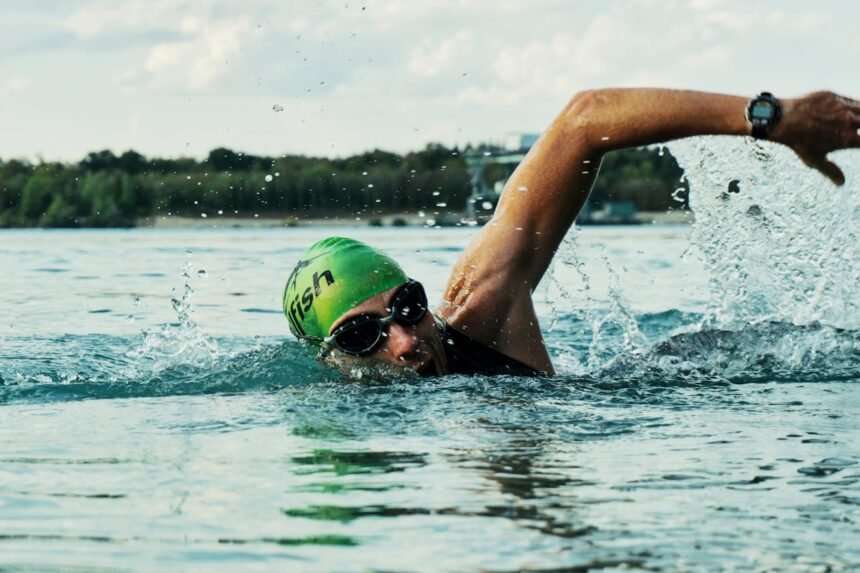
When most people decide it is time to improve their cardiovascular health, their minds instinctively drift toward the pavement. Running, jogging, and cycling are the default settings for cardio. However, there is a powerful, low-impact alternative that often flies under the radar despite its immense efficiency: the swimming pool. Whether you are recovering from an injury, looking to cross-train, or simply seeking a way to burn calories without the sweat-soaked clothes, the pool offers a sanctuary for fitness.
In the realm of aerobic exercise, water provides a unique environment that land-based activities simply cannot replicate. By combining resistance training with aerobic conditioning, many experts argue that swimming is the best cardio workout for sustainable, long-term health. In this comprehensive guide, we will dive deep into the physiology of swimming, compare it against other popular exercises, and explore why getting wet might be the smartest move for your heart, joints, and mind.
The Physics of Fitness: Why Water Wins
To understand why swimming is superior, we must look at the medium itself. Water is significantly denser than air—approximately 800 times denser, to be precise. This means that every movement you make in the pool requires you to push against resistance. Unlike running, where air resistance is negligible until high speeds, swimming ensures that your muscles are under constant tension.
According to the Centers for Disease Control and Prevention (CDC), water-based exercise can help people with chronic diseases and improves mental health. The buoyancy of water supports your weight, reducing the stress on your skeletal system while the resistance builds muscle strength.
Caloric Burn: Swimming vs. Land Exercises
One of the most compelling arguments for swimming is efficiency. Because the body is working to stay afloat, regulate temperature, and propel against resistance simultaneously, the caloric expenditure is massive.
Harvard Health Publishing provides extensive data on how swimming stacks up against other activities. For a 155-pound person, vigorous laps can burn significantly more calories than running at 5 mph.
Comparative Analysis of Cardio Exercises (30 Minutes)
| Activity | Intensity | Approx. Calories Burned (155 lb person) | Impact Level on Joints |
|---|---|---|---|
| Swimming (Freestyle) | Vigorous | 372 | Very Low |
| Running | 5 mph (12 min/mile) | 298 | High |
| Cycling | 12-13.9 mph | 298 | Low |
| Elliptical Trainer | General | 335 | Low |
| Walking | 3.5 mph (17 min/mile) | 149 | Low |
As the data suggests, swimming offers a higher return on investment regarding time spent versus calories burned, all while virtually eliminating the impact forces that often lead to injury in runners.
The Cardiovascular and Respiratory Advantage
Heart Health
Swimming is an aerobic activity that strengthens the heart, allowing it to pump blood more efficiently throughout the body. The American Heart Association recommends endurance exercises like swimming to lower blood pressure and improve cholesterol levels. Because you are horizontal in the water, your heart doesn’t have to work as hard to fight gravity to return blood from your legs, which can actually allow for a higher stroke volume (amount of blood pumped per beat).
Lung Capacity and Breath Control
Unlike running or cycling, where you can breathe irregularly, swimming requires rhythmic breathing. This pattern forces you to streamline your respiration, leading to increased lung capacity and efficiency. The American Lung Association notes that exercises challenging the respiratory system can improve the strength of the diaphragm and intercostal muscles. Swimmers often exhibit superior tidal volume (the amount of air moved in or out of the lungs during a quiet breath) compared to other athletes.
A Sanctuary for Joints and Injury Rehabilitation
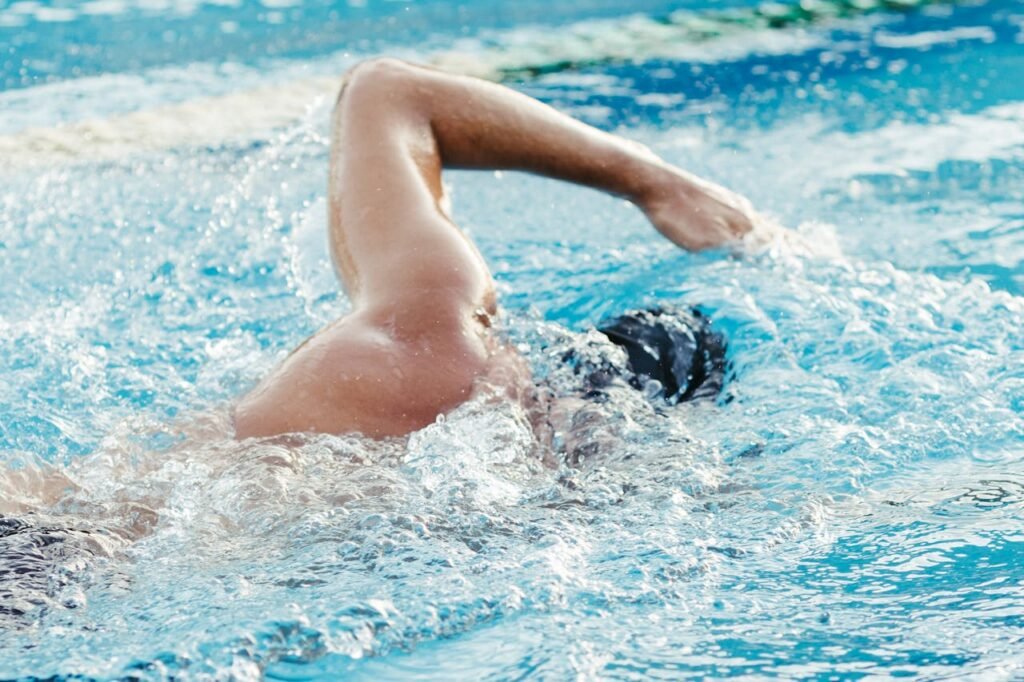
High-impact exercises are notorious for causing wear and tear on joints, particularly the knees, hips, and ankles. This is where the concept of swimming as the best cardio workout really shines for longevity.
Water neutralizes gravity. When submerged to the waist, your body bears only 50% of its weight; submerged to the neck, it bears only 10%. This makes swimming the ideal exercise for those suffering from arthritis or recovering from orthopedic injuries. The Arthritis Foundation explicitly endorses water-based exercise as a way to relieve pain and improve joint stiffness.
Furthermore, the Cleveland Clinic highlights that swimming allows for a greater range of motion without the pain associated with weight-bearing exercises, helping to maintain flexibility as we age.
The “Blue Mind”: Mental Health Benefits
While the physical benefits are undeniable, the mental advantages of swimming are equally profound. The concept of “Blue Mind” suggests that being in or near water puts the brain in a meditative state.
The rhythmic nature of swimming, combined with the sensory deprivation of being underwater, can lower cortisol levels. Research available through the National Institutes of Health (NIH) indicates that swimming can significantly reduce symptoms of anxiety and depression. It offers a unique break from the digital stimulation of the modern world—you cannot check your email while swimming laps.
A Total Body Workout
Many cardio machines isolate specific muscle groups. Cycling focuses on the quads and calves; running is heavy on the hamstrings and glutes. Swimming, however, is a total body workout.
- Upper Body: Every stroke engages the lats, deltoids, triceps, and pectorals.
- Core: The water requires constant micro-adjustments from your abdominals and lower back to maintain a streamlined horizontal position.
- Lower Body: Kicking engages the glutes, quads, and hamstrings.
According to Mayo Clinic, aerobic exercise like swimming recruits large muscle groups repeatedly, which is the key to improving overall fitness conditioning.
Getting Started: Tips for the Aspiring Swimmer
If you are ready to treat your body to the ultimate workout, here is how to begin safely:
- Gear Up: You don’t need much, but a good pair of goggles is non-negotiable to protect your eyes and improve visibility.
- Start Slow: Swimming is deceptive. Don’t expect to swim for 30 minutes straight on your first day. Start with intervals (e.g., swim one lap, rest for 30 seconds).
- Focus on Form: Poor technique increases drag and wastes energy. Resources from USA Swimming can provide drills to improve your stroke efficiency.
- Hydrate: You sweat in the pool, even if you don’t feel it. Drink water before and after your session.
- Mix It Up: Use different strokes (freestyle, breaststroke, backstroke) to engage different muscles and prevent boredom.
For those looking for structured guidance, Masters Swimming programs offer adult swim teams and coaching across the country, providing both community and instruction.
Conclusion: Dive In for Better Health
In the search for the perfect exercise regimen, we often complicate things. We look for the newest high-tech machine or the trendiest fitness class. Yet, the answer might just be the local community pool. By offering high resistance with low impact, massive caloric burn, and a meditative escape from daily stress, swimming stands out as the unsung hero of the fitness world.
Whether you are an elite athlete looking to cross-train or someone taking their first steps toward a healthier lifestyle, the water welcomes you. It is time to trade the pounding of the pavement for the rhythm of the stroke. Dive in, and discover why swimming is your best cardio workout.