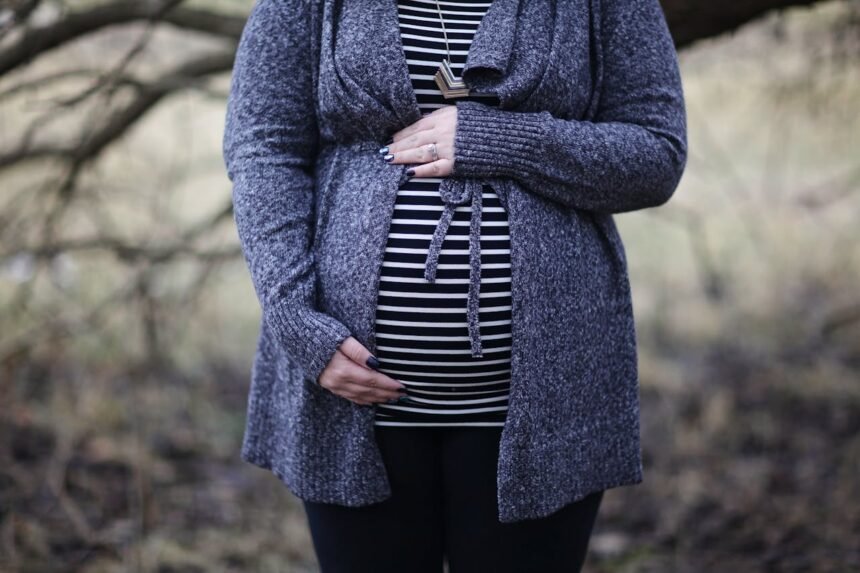
For many expectant parents, the period between weeks 14 and 28 of pregnancy—the “golden” second trimester—is the perfect time to satisfy wanderlust. The nausea of the first trimester has typically subsided, and the physical limitations of the third trimester haven’t yet set in. Whether you are planning a relaxing “babymoon” or a necessary business trip, ensuring safe travel second trimester requires careful planning and an awareness of your changing body.
While the second trimester is generally considered the safest and most comfortable time to travel, it is not without its unique considerations. From navigating airport security to choosing a destination with adequate medical facilities, this guide covers everything you need to know to globetrot with confidence and safety.
The “Golden Window”: Why Travel Now?
Medical professionals often refer to the second trimester as the sweet spot for travel. By week 14, the risk of miscarriage drops significantly, and energy levels often rebound. However, before booking tickets, it is imperative to understand the physiological changes occurring.
During this phase, your blood volume increases, and your center of gravity shifts. While you may feel energetic, you are also more prone to dehydration and fatigue. According to the American College of Obstetricians and Gynecologists (ACOG), the safest time to travel is between 14 and 28 weeks, provided there are no medical complications like preeclampsia or placenta previa.
Pre-Trip Preparation: Medical Clearance and Insurance
Consult Your Healthcare Provider
Before finalizing any plans, schedule a prenatal checkup. Discuss your itinerary, activities, and mode of transport with your OB-GYN. Ask for a copy of your prenatal records to carry with you; this is crucial if you need medical attention while away.
Vaccinations and Destination Risks
Review your immunization history. While live virus vaccines (like MMR) are generally avoided during pregnancy, the Tdap and Flu vaccines are often recommended. Visit Vaccines.gov for specific guidelines on pregnancy and immunization.
Furthermore, research your destination carefully. The Centers for Disease Control and Prevention (CDC) strongly advises pregnant women to avoid areas with ongoing Zika virus transmission, as the virus can cause severe birth defects. Additionally, malaria-prone regions require careful consideration and specific prophylaxis that is safe for pregnancy.
Travel Insurance
Standard travel insurance may not cover pregnancy-related complications. Look for a policy that specifically covers medical evacuation and prenatal care abroad. The U.S. Department of State emphasizes the importance of checking your health insurance policy’s international coverage before leaving the country.
Choosing Your Mode of Transport
Different modes of travel present different risks and benefits. Below is a comparison to help you decide the best option for your situation.
Comparative Analysis of Travel Modes in the Second Trimester
| Travel Mode | Comfort Level | Risk Factors | Safety Tips | Recommendation |
|---|---|---|---|---|
| Airplane | Medium | Dehydration, DVT (Deep Vein Thrombosis), Radiation (minimal) | Aisle seat, compression socks, hourly walks | High: Generally safe until 36 weeks (domestic). |
| Car | High (customizable) | Fatigue, prolonged sitting, accidents | Seatbelt below belly, stop every 90 mins | High: Great for control over schedule. |
| Cruise Ship | High | Norovirus, limited medical care onboard, seasickness | Verify onboard medical capabilities, wash hands frequently | Medium: Most lines restrict travel past 24 weeks. |
| Train | High | Motion sickness, balance issues while moving | Stay seated while moving, reserve lower bunks | High: Smooth ride and room to walk. |

Flying While Pregnant: Mitigating Risks
Air travel is a common concern, but for uncomplicated pregnancies, it is generally safe. The primary risk during flight is Deep Vein Thrombosis (DVT), or blood clots, which pregnant women are already at higher risk for due to hormonal changes.
Combating DVT
To reduce the risk of DVT, the Mayo Clinic recommends the following:
- Keep Moving: Walk up and down the aisle every hour.
- Foot Exercises: Flex and extend your ankles while seated.
- Hydration: Drink plenty of water and avoid caffeine.
- Compression Stockings: Wear graduated compression socks to improve circulation.
Airline Policies
While you are focusing on safe travel in the second trimester, remember that airline policies vary. Most allow travel without a doctor’s note until 28 weeks, but policies tighten afterward. Organizations like the International Air Transport Association (IATA) recommend checking with your specific carrier before booking.
Screening and Radiation
A common anxiety regards airport security scanners. According to the Transportation Security Administration (TSA), advanced imaging technology and metal detectors are safe for pregnant travelers. However, you always have the right to opt out of technology screening in favor of a pat-down.
Road Tripping: Safety Behind the Wheel
If you prefer keeping your feet on the ground, a road trip allows for flexibility. However, proper restraint use is vital. The National Highway Traffic Safety Administration (NHTSA) advises that the lap belt should be placed under your abdomen and across your hips—never across your belly. The shoulder belt should go between your breasts and to the side of your belly.
- Airbags: Keep approximately 10 inches between your breastbone and the steering wheel. Never disable the airbag.
- Breaks: Stop every 60 to 90 minutes to empty your bladder and walk around to keep blood flowing.
Food and Water Safety Abroad
Dietary restrictions don’t vanish when you go on vacation. In fact, you must be more vigilant. “Traveler’s tummy” can be more dangerous for a pregnant woman due to the risk of dehydration and systemic infection.
- Water: If traveling to developing countries, drink only bottled water with sealed caps. Avoid ice cubes.
- Food: Stick to cooked foods served piping hot. Avoid raw fruits and vegetables unless you can peel them yourself. The World Health Organization (WHO) provides extensive guidelines on food safety that are particularly relevant for vulnerable groups, including pregnant women.
- Dairy: Ensure all dairy products are pasteurized to avoid Listeria.
Listen to Your Body: Warning Signs
Even with the best preparation, emergencies can happen. If you experience any of the following symptoms, seek immediate medical attention:
- Vaginal bleeding or spotting.
- Severe abdominal pain or cramps.
- Rupture of membranes (water breaking).
- Signs of preeclampsia (severe headache, vision changes, sudden swelling of face/hands).
- Decreased fetal movement (if you are far enough along to feel it).
According to the Cleveland Clinic, ignoring these signs or trying to “push through” can lead to preterm labor or other severe complications.
Packing Essentials for the Pregnant Traveler
To ensure a smooth trip, your packing list should include a few pregnancy-specific items:
- Medical Kit: Prenatal vitamins, antacids for heartburn, hemorrhoid cream, and doctor-approved motion sickness medication.
- Comfort Items: A pregnancy pillow (inflatable ones save space) and comfortable walking shoes with arch support.
- Snacks: High-protein, non-perishable snacks (nuts, granola bars) to manage blood sugar levels and nausea.
- Documents: Physical and digital copies of your prenatal records and insurance information.
Conclusion
Traveling during your pregnancy can be a wonderful way to bond with your partner or simply enjoy some solitude before the baby arrives. By focusing on safe travel second trimester protocols—consulting your doctor, staying hydrated, moving frequently, and choosing safe destinations—you can minimize risks and maximize memories.
Remember, every pregnancy is unique. What works for one expectant mother may not work for another. Prioritize your health and your baby’s well-being above the itinerary.
Are you planning a babymoon? Share your destination and safety tips in the comments below!