Navigating the supermarket aisles can feel overwhelming, especially when you are trying to balance your health goals with a tightening budget.
We all want to feed ourselves and our families the most nutritious food possible. For many, this means reaching for organic produce to avoid synthetic pesticides and support sustainable farming practices. However, the price tag on organic vegetables often causes hesitation at the checkout.
It is a common misconception that eating organically is a luxury reserved only for the affluent. While organic farming costs are higher, smart shopping strategies can make these nutritious options accessible to everyone.
With the cost of living rising across the UK, finding ways to prioritise health without breaking the bank is more important than ever. You do not need to switch to an all-organic diet overnight to see benefits.
This guide will explore practical, evidence-based methods to help you include organic vegetables in your diet while keeping your finances in check.
What Does ‘Organic’ Actually Mean?
Before diving into budgeting, it is essential to understand what you are paying for.
In the UK, the term ‘organic’ is legally protected. For a food product to be labelled as such, it must meet strict standards set by the Department for Environment, Food & Rural Affairs (DEFRA).
Organic farming generally restricts the use of:
- Artificial chemical fertilisers: Farmers use natural alternatives like compost and manure.
- Pesticides: Synthetic herbicides and fungicides are severely restricted.
- Genetic modification (GM): GM crops are prohibited in organic agriculture.
According to the Soil Association, organic farming also prioritises animal welfare and environmental sustainability. This means that when you buy organic, you are supporting a system that encourages biodiversity and soil health.
While the nutritional differences are sometimes debated, a comprehensive review cited by Healthline indicates that organic crops may have higher levels of certain antioxidants and lower levels of toxic metals like cadmium.
However, the primary driver for many consumers remains the reduction of pesticide exposure.
Strategies for Buying Organic on a Budget
Eating well does not require an all-or-nothing approach. By implementing a few strategic habits, you can significantly reduce your grocery bill while increasing the quality of your food.
1. Prioritise the ‘Dirty Dozen’ and ‘Clean Fifteen’
Not all vegetables absorb pesticides in the same way. Some have thick skins that protect the edible flesh, while others are more porous.
To maximise your budget, spend your money on organic versions of produce that typically have the highest pesticide residues. This concept, often referred to as the ‘Dirty Dozen’, helps you decide where to allocate your funds.
Vegetables often high in residues (Buy Organic):
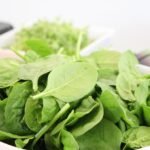
- Spinach and leafy greens
- Celery
- Potatoes
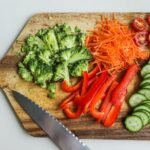
- Peppers
- Tomatoes
Conversely, the ‘Clean Fifteen’ are vegetables with lower residue likelihood, which you can safely buy from the conventional aisle to save money. The Pesticide Action Network UK provides detailed lists specific to British testing standards.
Vegetables often lower in residues (Buy Conventional):
- Onions
- Sweetcorn
- Cabbage
- Asparagus
- Aubergines
2. Embrace Frozen Organic Vegetables
One of the best-kept secrets for budget-conscious healthy eating is the freezer aisle.
Frozen organic vegetables are often significantly cheaper than their fresh counterparts. Crucially, they are just as nutritious. Vegetables destined for freezing are picked at peak ripeness and flash-frozen within hours, locking in vitamins and minerals.
Fresh vegetables, on the other hand, may lose nutrients during long transport and storage times. Research from the British Nutrition Foundation supports the nutritional value of frozen produce as a reliable alternative to fresh.
Top frozen picks:
- Organic peas
- Organic spinach blocks
- Organic mixed veg (perfect for stir-frys)
3. Shop Seasonally and Locally
Importing organic courgettes in the middle of a British winter requires expensive logistics, a cost that is passed on to you.
Shopping seasonally ensures you are buying produce when it is naturally abundant and cheapest. In the UK, root vegetables like parsnips, swedes, and carrots are inexpensive and plentiful in winter.
Consulting a seasonal calendar from BBC Good Food can help you plan your meals around what is currently being harvested.
Furthermore, consider subscribing to a local organic vegetable box scheme. These services often cut out the supermarket middleman, offering better prices for ‘wonky’ or imperfect vegetables that taste perfectly fine but do not meet cosmetic standards.
4. Reduce Food Waste to Save Money
The most expensive vegetable is the one you throw in the bin.
According to Love Food Hate Waste, UK households throw away billions of pounds worth of edible food every year. When you buy premium organic produce, wasting it hurts your wallet even more.
Tips to stretch your produce:
- Batch Cook: Make large organic vegetable stews and freeze portions.
- Use the Scraps: Save organic carrot peels, onion skins, and celery tops in a freezer bag. Once full, boil them to make a nutrient-dense vegetable stock.
- Store Correctly: Keep potatoes in cool, dark places and leafy greens in the crisper drawer to extend shelf life.
5. Compare Unit Prices
Supermarkets use psychological pricing strategies. Always look at the price per kilogram (unit price) rather than the price per pack.
Sometimes, loose organic carrots are cheaper than packaged conventional ones. Additionally, consumer advocacy groups like Which? frequently track and compare grocery baskets, helping you identify which supermarkets currently offer the best value for organic ranges.

Comparison: Organic vs. Conventional vs. Frozen
To help you visualise the trade-offs, we have compiled a comparison of different purchasing options based on current market trends.
| Factor | Fresh Organic | Conventional Fresh | Frozen Organic |
|---|---|---|---|
| Cost | High | Low to Moderate | Moderate |
| Pesticide Exposure | Low | Moderate to High | Low |
| Nutrient Density | High (if eaten soon) | Moderate (varies by transit) | High (Locked in) |
| Shelf Life | Short (days) | Moderate (days/weeks) | Long (months) |
| Availability | Seasonal dependence | Year-round (imports) | Year-round |
| Best For | Salads, raw snacking | Peeling/Cooking thoroughly | Soups, stews, smoothies |
Frequently Asked Questions
Is it enough to just wash conventional vegetables?
Washing helps, but it does not remove everything. Systemic pesticides are absorbed into the flesh of the fruit or vegetable, meaning no amount of scrubbing will remove them. However, washing is still crucial to remove bacteria and surface dirt. For more on food safety, visit the NHS website.
Are supermarket ‘own-brand’ organics reliable?
Yes. In the UK, any product labelled ‘organic’ must be certified by an approved control body. Supermarket own-label organic ranges adhere to the same legal standards as premium brands but often cost a fraction of the price. You can verify standards by checking GOV.UK guidelines.
Is organic food always more nutritious?
Not necessarily in terms of macronutrients (carbs, fats, proteins). However, organic crops often contain higher levels of secondary plant metabolites, such as flavonoids, which have antioxidant properties. A healthy diet is rich in variety, regardless of the farming method.
What if I can’t afford organic at all?
Do not worry. The health benefits of eating plenty of vegetables—conventional or organic—far outweigh the risks of pesticide exposure. Organisations like the British Heart Foundation emphasise that increasing your overall intake of fruit and veg is the priority for heart health.
The Bottom Line
Choosing organic vegetables on a budget is about making calculated decisions rather than striving for perfection.
It is not necessary to buy everything organic. By focusing your spending on the ‘Dirty Dozen’, embracing frozen options, and shopping seasonally, you can significantly lower your exposure to synthetic pesticides without overspending.
Remember that eating vegetables of any kind is always better than eating none. If your budget is tight, do not let the fear of non-organic produce stop you from enjoying a plant-rich diet.
Start small. Swap one or two items in your basket this week and see how it fits your lifestyle and budget. Your health is a long-term investment, and every positive change counts.